Electrical and computer engineers create all the technological wonders that use electrical signals for their operation.
They design the latest silicon chips used in computers, stereos and cellular telephones. They create electronic circuits that control fuel flow in an electronic ignition or that keep wheels from skidding in an antilock braking system.
Some electrical engineers are involved with the generation and distribution of electrical power; others concentrate on testing new electronic designs and products, such as communication networks. And some focus on programming computers to perform complex tasks, such as developing solutions to problems facing other engineers.
As the technological era and communication age continue to unfold, opportunities for electrical and computer engineers are constantly expanding. If you are interested in learning about electrical and electronic systems and envision a career that puts you at the head of this frontier, consider majoring in electrical engineering at UVM.
Accredited by the Engineering Accreditation Commission of ABET, 111 Market Place, Suite 1050, Baltimore, MD 21202-4012.
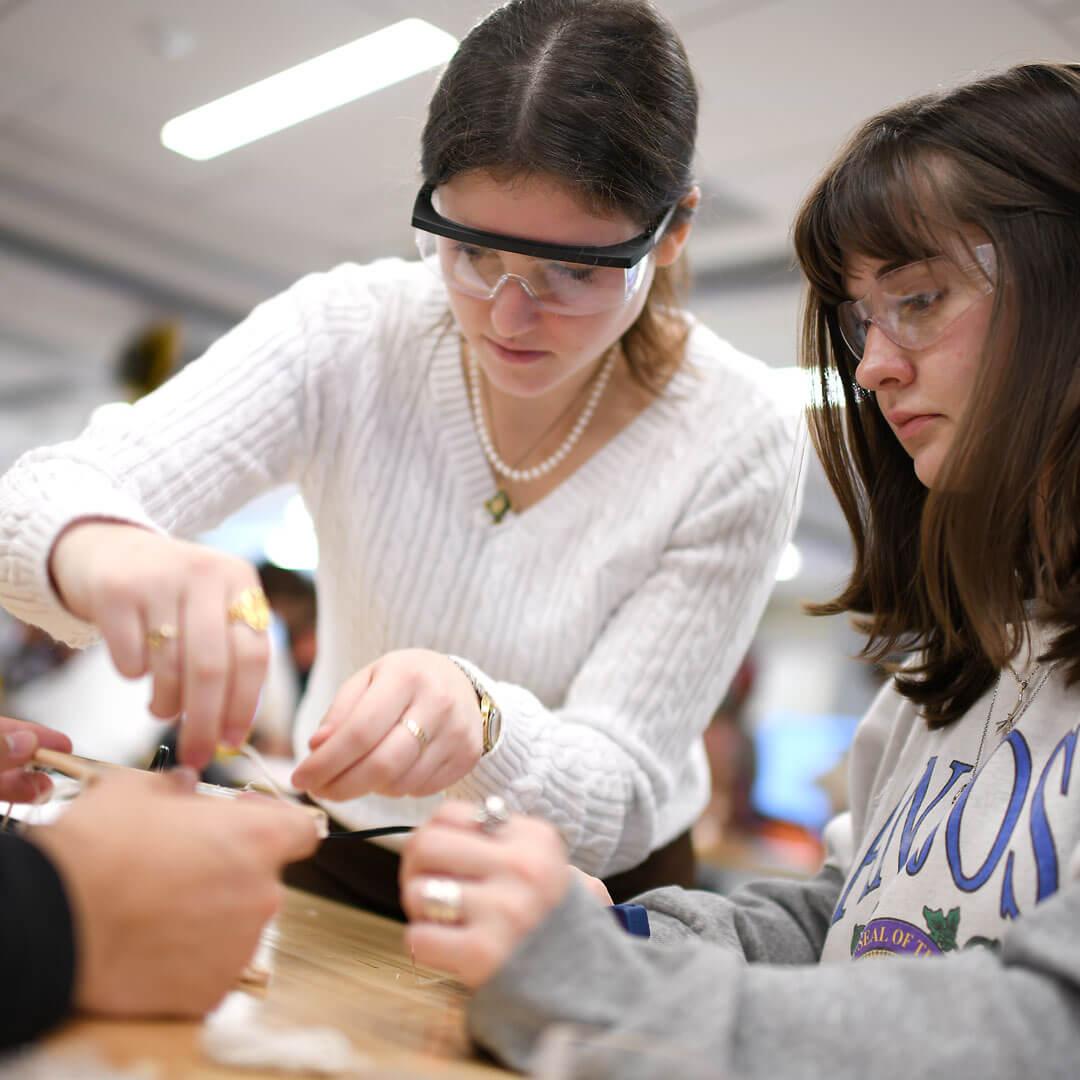
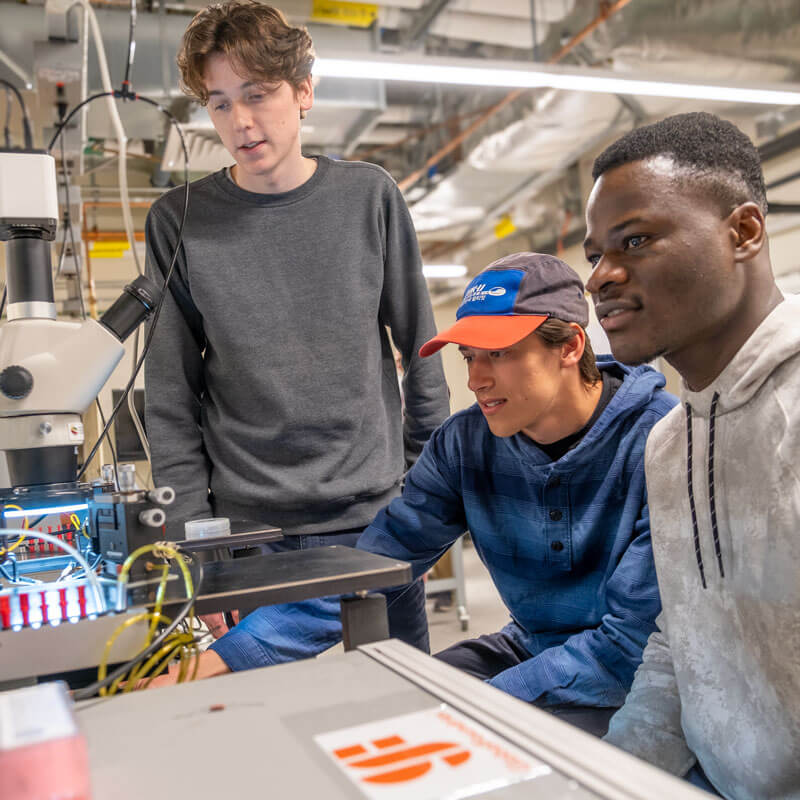
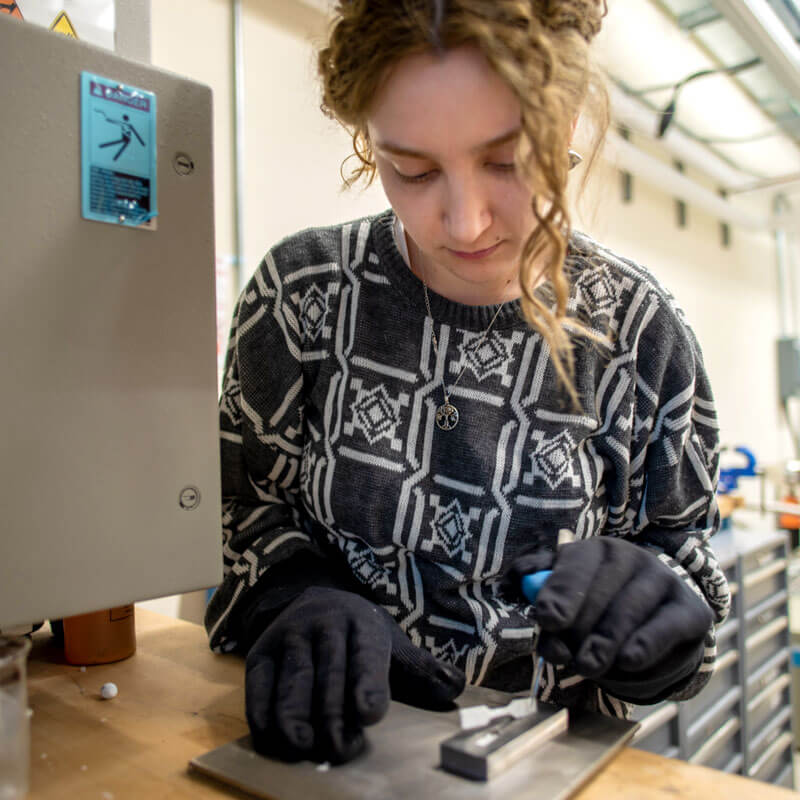
Resources and FacilitiesOur curriculum includes significant laboratory instruction and independent or team project work that allows students to apply theoretical knowledge to real circuits and systems.
UVM electrical engineering labs are well-equipped with up-to-date digital oscilloscopes, computer-interfaced instrumentation, and circuit design and analysis software. In addition, the program has the following laboratories:
|
|
|
Opportunities exist for upper-level students to work in the undergraduate labs as teaching assistants during the academic year. This is a great way for students to improve and extend their knowledge of electrical engineering.
For the past decade, demand for electrical engineering graduates has remained strong. AT&T, Goodrich, Compaq, IBM, Intel Corp., Micron, Oracle, Raytheon and Teradyne are among the many companies employing UVM electrical engineering graduates. There is tremendous variety in the positions these graduates fill from aerospace and electronic systems design to the application of fiber optic technology, from work with robotics and image processing to computer systems consulting and advanced memory circuit design.
Many of our students go on to graduate school, including MIT, RPI and UVM. They also pursue careers in medicine, law, and business, as well as perform research to advance the state of knowledge in the electrical engineering field.