MIMES/EBM Meeting Background
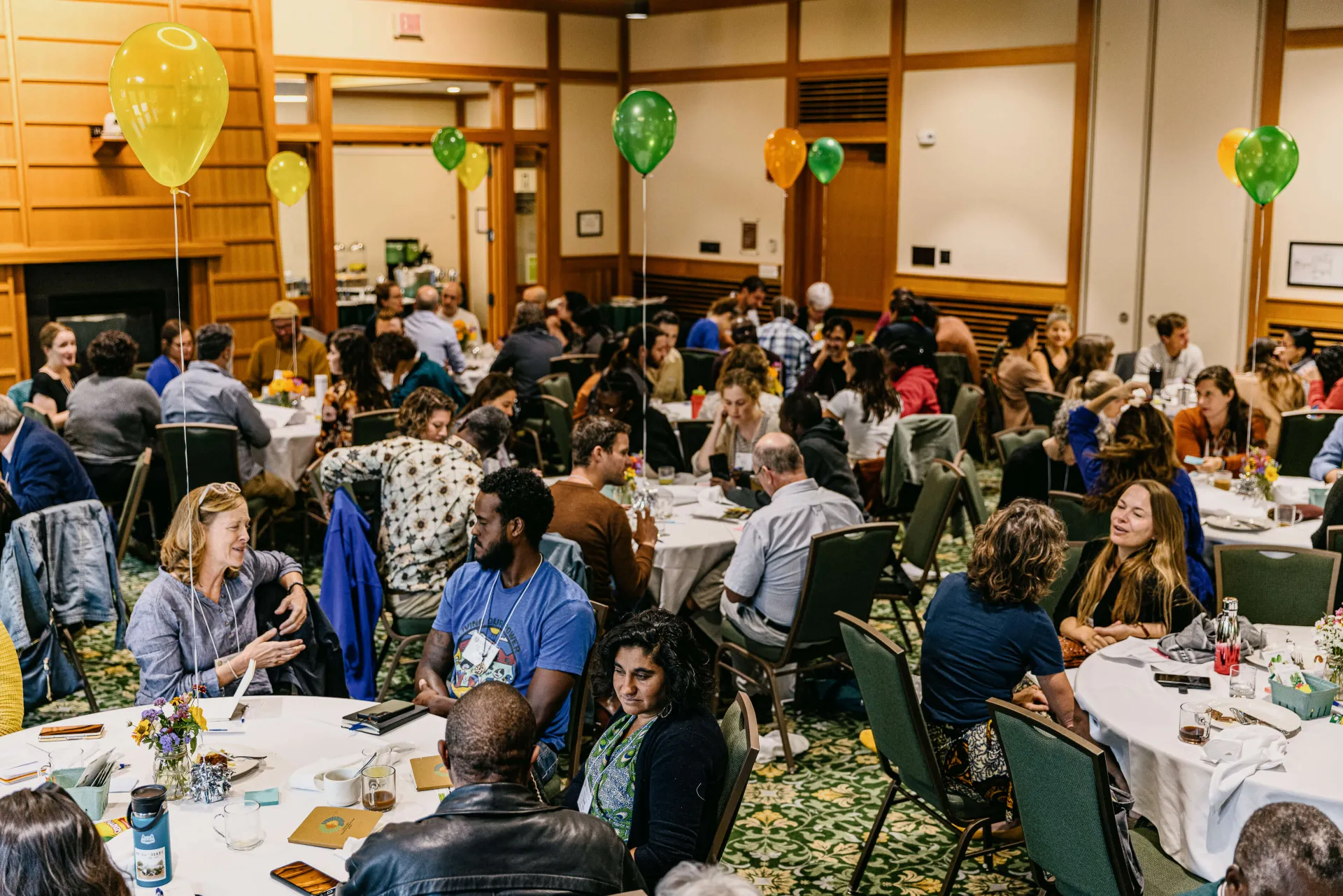
On October 30-31,2007 members of the MIMES team met up with members of the EBM team at the University of New Hampshire in Durham, NH to define ways MIMES can be used in the EBM Pilot Project.
Co-hosted by: COMPASS, Census of Marine Life, Stellwagen Bank National Marine Sanctuary, MA Ocean Partnership Fund, Department of Fisheries & Oceans Canada, MIMES – University of Vermont, Boston University
Location: University of New Hampshire
Background:
The Gulf of Maine is central to one of the world’s most productive coastal and marine regions. The area faces increasing pressure from a growing coastal population, coastal development, global climate change, shifting demand and markets for seafood, new ocean and coastal technologies, and an influx of invasive species. The future and sustainability of coastal communities and the region’s natural heritage will depend on bold initiatives today. Stakeholders could benefit by addressing management and science issues through a comprehensive strategic vision that encouraged and supported coordinated planning. Policy-relevant science can play an integral part in shaping a more ecosystem-based approach to management.
Ecosystem-based-management approaches can be used to document our scientific understanding about the interaction between ecology and human activities in several spatially explicit places.
We seek to do this by supporting pilot projects in both Canada and the United States. This effort will likely require strong and effective partnerships with existing regional entities working in these areas as well as among them to facilitate learning and accelerate progress.
Given the large geography, we will need to create some site selection criteria to ensure we make progress in a reasonable period of time. Possible criteria include: the area has enough organized and pertinent information/data and the existing capacity to be a pilot. The area is representative of different sectoral activities, human uses and impacts and there are resources that can be leveraged to support any work there.
Goal
To learn about the implementation of EBM by understanding how best to manage the interactions between ecology and human activities in the pilot project areas
Objectives
1. Create and apply techniques/approaches that enhance our scientific understanding about these interactions;
2. Develop, apply and evaluate best practices that coordinate the development and dissemination of science for EBM when working under different governance structures in the U.S. and Canada;
3. Assemble natural and socio-economic baselines;
4. Develop and apply tools to visualize the interactions between human activities and ecosystem services and evaluate tradeoffs between human uses of the ecosystem
Examples of Possible Products:
• Natural and socio-economic baselines;
• Synthetic maps and models of ecosystem properties and species distributions as well as human uses and ecosystem impacts. The products might include a human use atlas, an ecosystem properties atlas, and a threats analysis.
Potential Pilot Sites
1. Biodiversity Discovery Corridor (Bay of Fundy to the seamounts)
2. Stellwagen Bank (could include region around this area as well)
3. Massachusetts Bay
4. Coastal Maine (e.g., Muscongus Bay, Taunton Bay, etc.)
5. Great Bay
6. Southwest New Brunswick Marine Initiative
7. Bay of Fundy
8. Scotian Shelf