“Day in the Life” (DitL) programs started on the Hudson River and New York Harbor in 2003 with a dozen schools and 300 student participants. These students headed down to the river’s edge to do some sampling and sharing of their data. Both students and teachers ‘were hooked!’ as they found the event provided a meaningful educational experience that allowed the students to apply their learning through hands-on science at the river. The event has continued to grow ever since, with recent events involving over 5,000 students and educators!
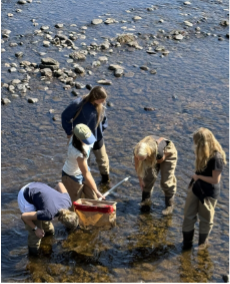
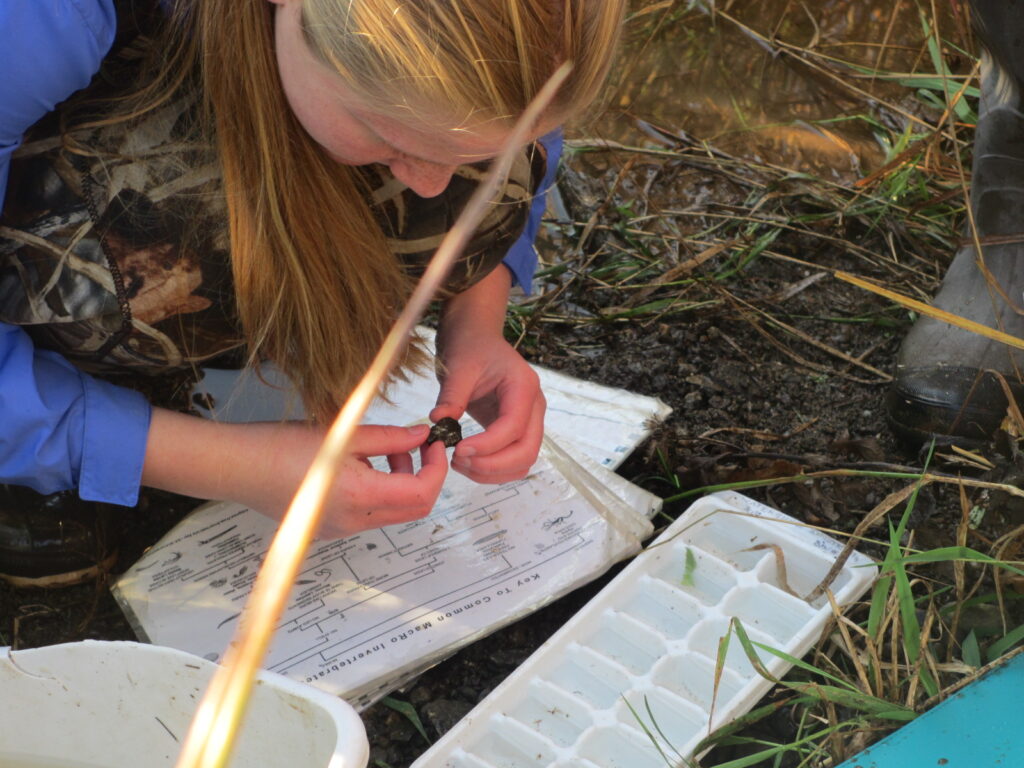
The Lake Champlain Basin is the newest addition to this network. Through this program, hundreds of students spend one day collecting water quality data at sampling sites throughout the basin to create a snapshot of the watershed. Using seine nets, minnow pots, water-testing gear, and simple tools, thousands of students catch and release many of the basin’s 90+ species of fish, track the river’s tides and currents, check the salinity, examine water chemistry and quality, and even take a look at the muddy river bottom.
Data may include
Turbidity
Macroinvertebrates
Temperature
Dissolved Oxygen
Day in the Life is held each fall, generally in early October. The timing is designed with multiple factors in mind: the fish and macroinvertebrates the students collect in their nets will be large enough to identify; the teachers will have enough time pre-event in their classrooms to feel comfortable when taking students on a field visit to the river; the weather is generally more stable in the early fall than later in the fall or in the spring; and sampling and collecting data in the fall allows the students to build on their learning throughout the year.
Each group gathers data on their own site and then shares their results. This allows all participating students to experience the benefits of place-based learning of their local waterfront location, as well as to gain a better understanding of this historic and vital estuary system as they build data literacy. Data, lesson plans, resources, and a wide assortment of educational materials are provided to support schools in their exploration of the river.
Information for Teachers
Information for Partner Organizations