Federal Funding Boosts Research, Education, and Outreach at Lake Champlain Sea Grant
By Anne Jefferson, Lake Champlain Sea Grant Director
Lake Champlain Sea Grant (LCSG), along with all 34 Sea Grant programs nationwide, has received full 2026 federal funding from the National Oceanic and Atmospheric Administration (NOAA). This funding represents some of the first funds to be released by NOAA this year, and LCSG is grateful for strong, bipartisan Congressional support from both sides of the lake.
“I am proud to once again deliver historic funding results in Congress for the Lake Champlain Sea Grant to ensure the program continues the effort to combat invasive species and protect the biodiversity of Lake Champlain to protect and preserve the lake for future generations,” said Representative Elise Stefanik (NY-21).
“I am thrilled that the Lake Champlain Sea Grant has received its funding for this fiscal year,” said Representative Becca Balint (VT-AL). “For more than two decades now, the program has been protecting our watershed through innovative educational programs for educators and students alike. This NOAA funding will go to support research that increases environmental protections and decreases future flood risks in Vermont communities. I look forward to continuing to support their important work.”
With these funds in hand, LCSG will launch five new research projects during our 2026–2028 cycle which will study quatic invasive species, trout recruitment, thermal refuge zones for fish, movement of spiny softshell turtles, and the experiences of newcomers to winter. Project teams are led by researchers from New York and Vermont. You can read more about the recently funded projects in this article.
Lake Champlain Sea Grant is also pleased to share a new partnered fellowship project on “Cultivating Community Stewardship: A Social Science-informed Subwatershed Engagement Model for Water Quality in Northern Lake Champlain.” Sea Grant’s partner organization is Friends of Northern Lake Champlain, with Executive Director Bridget Butler, and the early career fellow undertaking the project is Gracie Grimes.
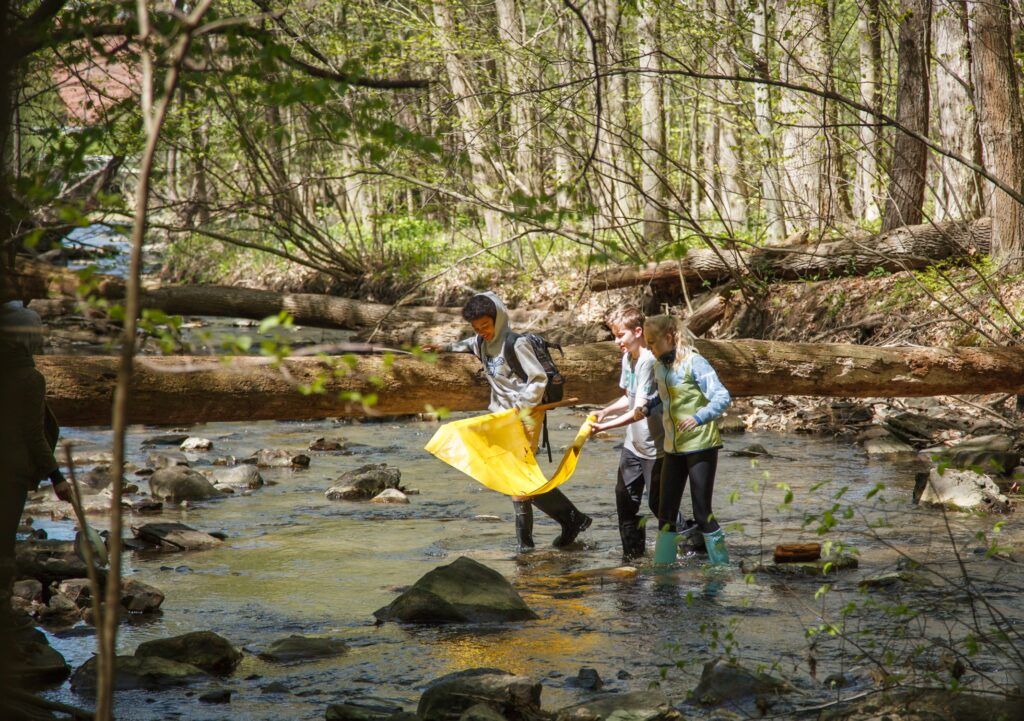
With 2026 funding, LCSG will continue delivering its signature education and outreach programs that support both the environmental health and economic vitality of the Lake Champlain basin. This spring and fall, students in Vermont and New York will explore watershed science in local streams, along shorelines, and on Lake Champlain through Sea Grant’s Watershed Alliance program. LCSG will also work with residents, schools, and communities to reduce stormwater runoff and maintain green infrastructure that protects water quality.
Sea Grant will support watershed groups and tree nurseries in Vermont and New York engaged in riparian forest restoration, as well as Lake Education and Action Program interns conducting hands‑on environmental stewardship across the basin. To strengthen community resilience to extreme weather, LCSG will provide town boards with tailored education and information that supports informed decision‑making. In Vermont, LCSG will continue coordinating the volunteer lake monitoring program, which collects critical data on Lake Champlain and more than 100 inland lakes. LCSG will also advance its work in fisheries and aquaculture, plastic pollution reduction, and road salt management. More information on Lake Champlain Sea Grant’s programs, priorities, and upcoming events is available on the newly redesigned website: https://www.uvm.edu/seagrant.