Ignite: Sparking Professional Growth for Sea Grant Scholars
By Jessie Curl, Communications Lead & Program Specialist, Lake Champlain Sea Grant
In late August, Lake Champlain Sea Grant (LCSG) welcomed four new Sea Grant Scholars to its fifth cohort. Established in 2020, the program provides undergraduate students from the University of Vermont and SUNY Plattsburgh with a 13-month experiential learning opportunity designed to deepen their understanding of scientific research, community engagement, and science communication. As part of the program’s immersive “Ignite” professional development experience, the scholars embarked on a journey through the Lake Champlain basin, gaining firsthand insight into the diverse work and partnerships that support Lake Champlain Sea Grant’s mission.
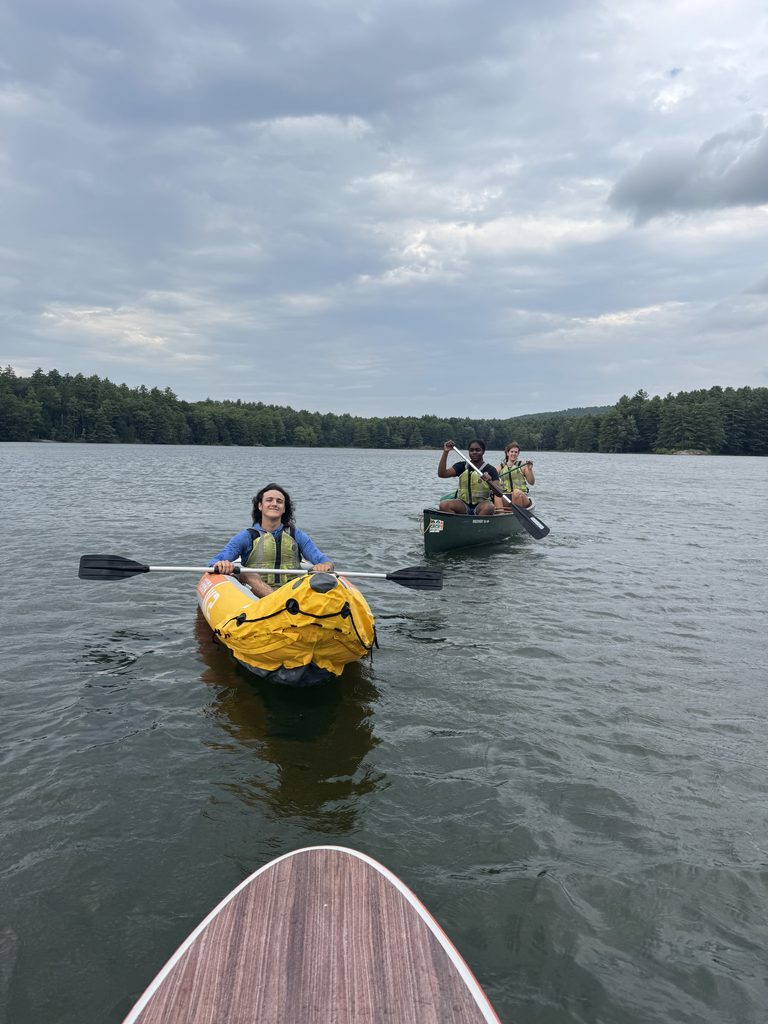
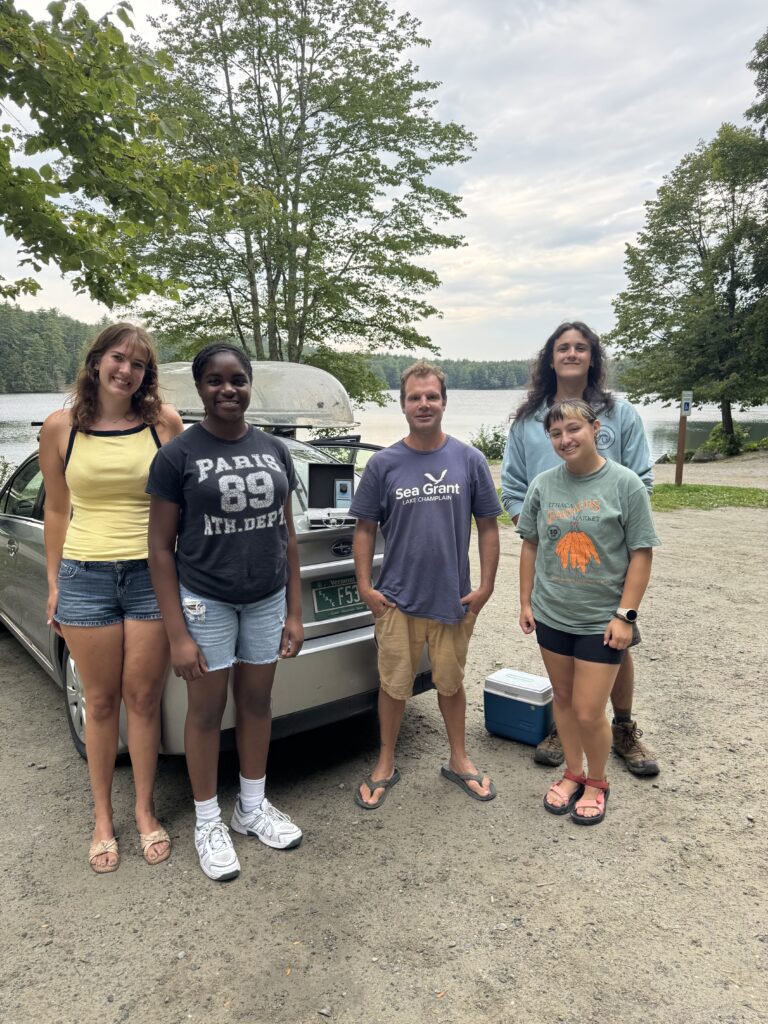
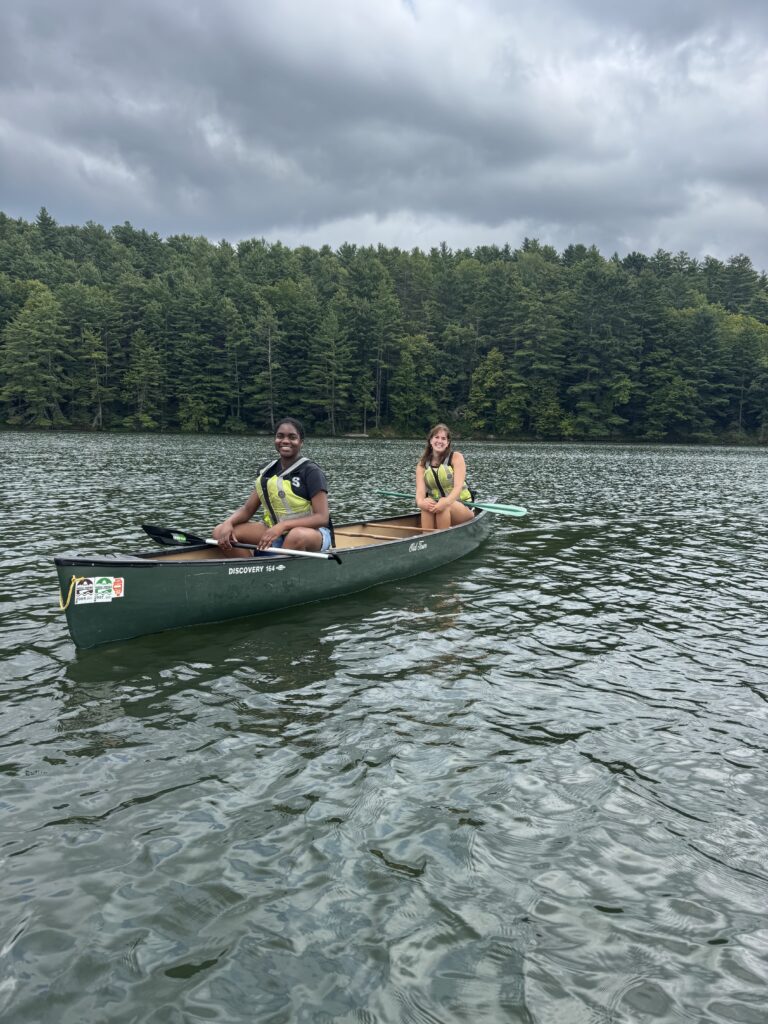
The experience began with a day on the Indian Brook Reservoir in Essex, Vermont, alongside LCSG and VT Department of Environmental Conservation staff member Mark Mitchell and LCSG Extension Program Leader Kris Stepenuck. While out on the water, the scholars learned about the Vermont Lay Monitoring Program and stepped into the role of volunteer monitors themselves, collecting samples for water quality analysis and learning about how activities on land influence the health of nearby waterways.
The scholars returned on Friday morning, ready to dive into the world of science communication with LCSG Lead Communicator Jessie Curl. After discussing the basics of science communication and its role in connecting research to community impact, the scholars took part in a hands-on “message box” activity. Working in teams, they were given the same topic, phosphorus in the Lake Champlain basin, and challenged to communicate it to two different audiences: farmers and waterfront homeowners. Through this activity, the scholars practiced translating complex scientific topics into a digestible format to make it relevant, meaningful, and actionable for the intended audience. The science communications session wrapped up with a visit to the Lake Champlain Basin Program’s Resource Room at the ECHO Leahy Center for Lake Champlain, where the scholars learned about another key partner in LCSG’s work throughout the basin.
“I loved getting to meet the experts and students at the ECHO center,” shared Lex Singh, a 2026 Sea Grant Scholar. “Hearing about the incredible work they do and how they ended up there gave me hope and inspiration on how I can find success and serve the VT community both during and after my undergraduate studies.”
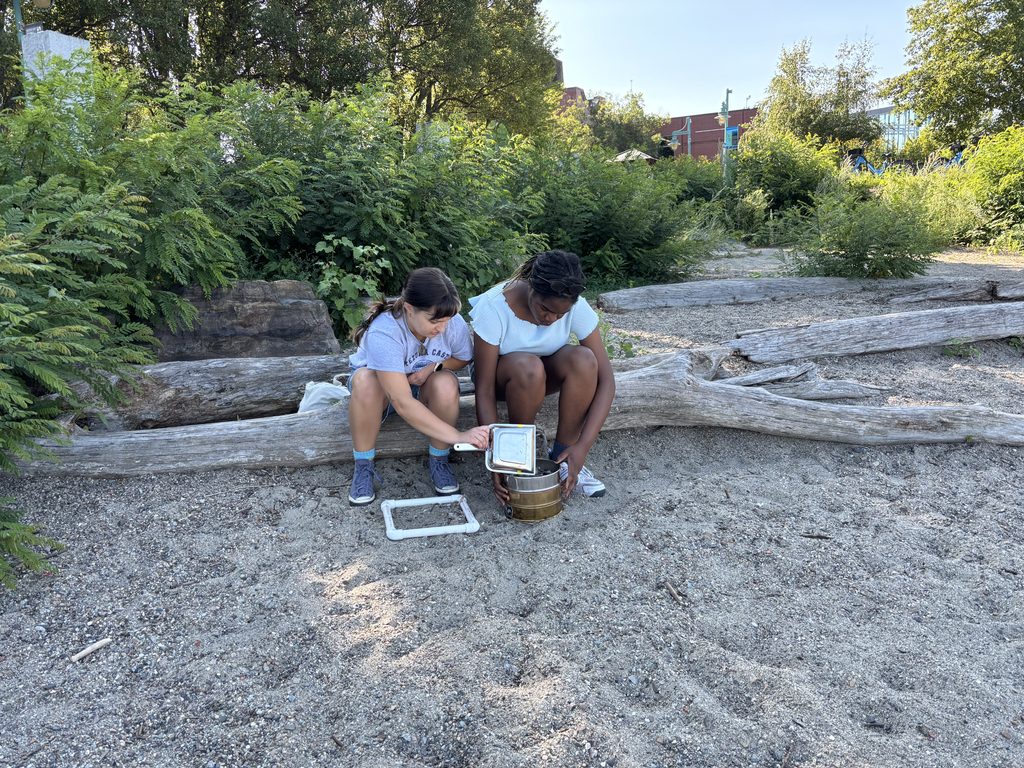
The scholars later joined the full LCSG team for a “lunch and learn,” where seasonal interns reflected on their summer experiences and shared their favorite moments from their work across the basin. In the afternoon, the cohort toured several green stormwater infrastructure projects in the area with Jill Sarazen, LCSG Green Stormwater Collaborative Coordinator, gaining a closer look at innovative approaches to managing stormwater runoff in Burlington. On Saturday, the scholars met with Anne Jefferson, LCSG Director, to learn about microplastics research being conducted by her lab to assess microplastic presence on Lake Champlain beaches. “I truly loved the diversity of applications we discussed during the Ignite program, especially the day that we sifted through sand to find microplastics along the Champlain shoreline. I loved how we were both learning and helping clean up the environment piece by piece,” shared Paige Kline, Sea Grant Scholar.
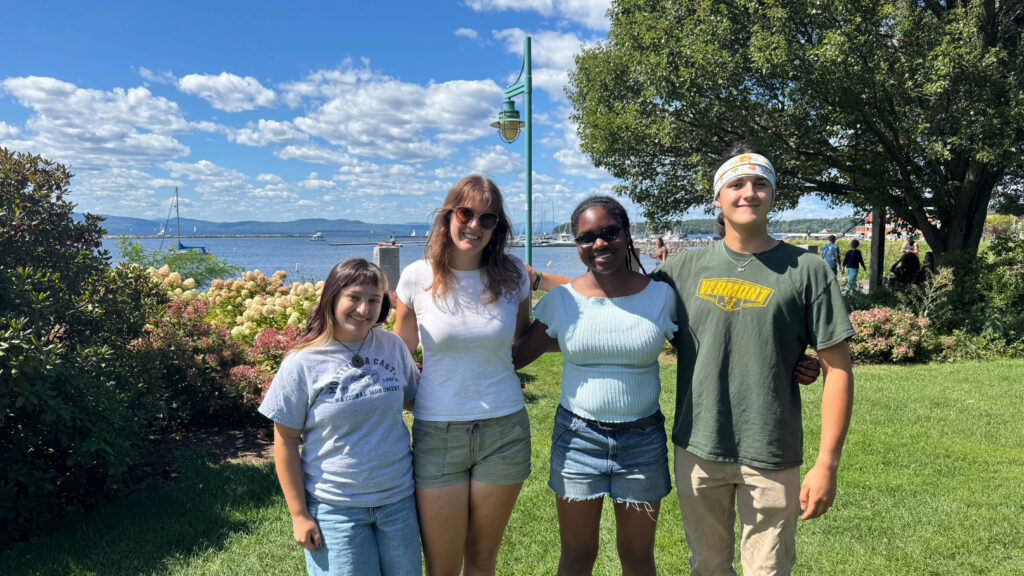
The Ignite experience concluded with a waterfront cleanup hosted by the Lake Champlain Basin Marine Debris Coalition, allowing the scholars to participate in hands-on stewardship with direct impacts to the community.
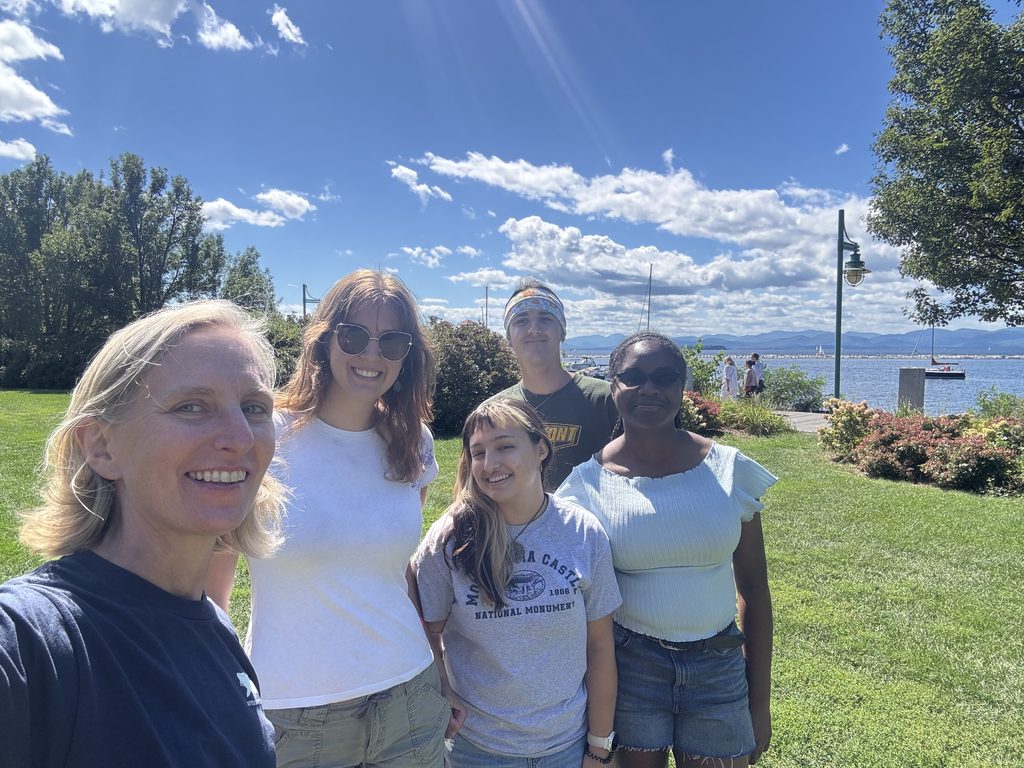
By the end of the three-day experience, the scholars had gained a deeper understanding of the Lake Champlain Basin and LCSG’s mission. As they begin their journey as Sea Grant Scholars, these students will gain skills, connections, and knowledge that will serve as the foundation for future careers in the environmental world. By next summer, these scholars will be finishing their summer internships that are supported through the Sea Grant Scholars’ program. They will each be matched with a STEM-focused faculty member, business, or organization involved in developing and sharing science-based information to benefit the environment or local economies in the Lake Champlain basin.
Meet the 2026 Sea Grant Scholars
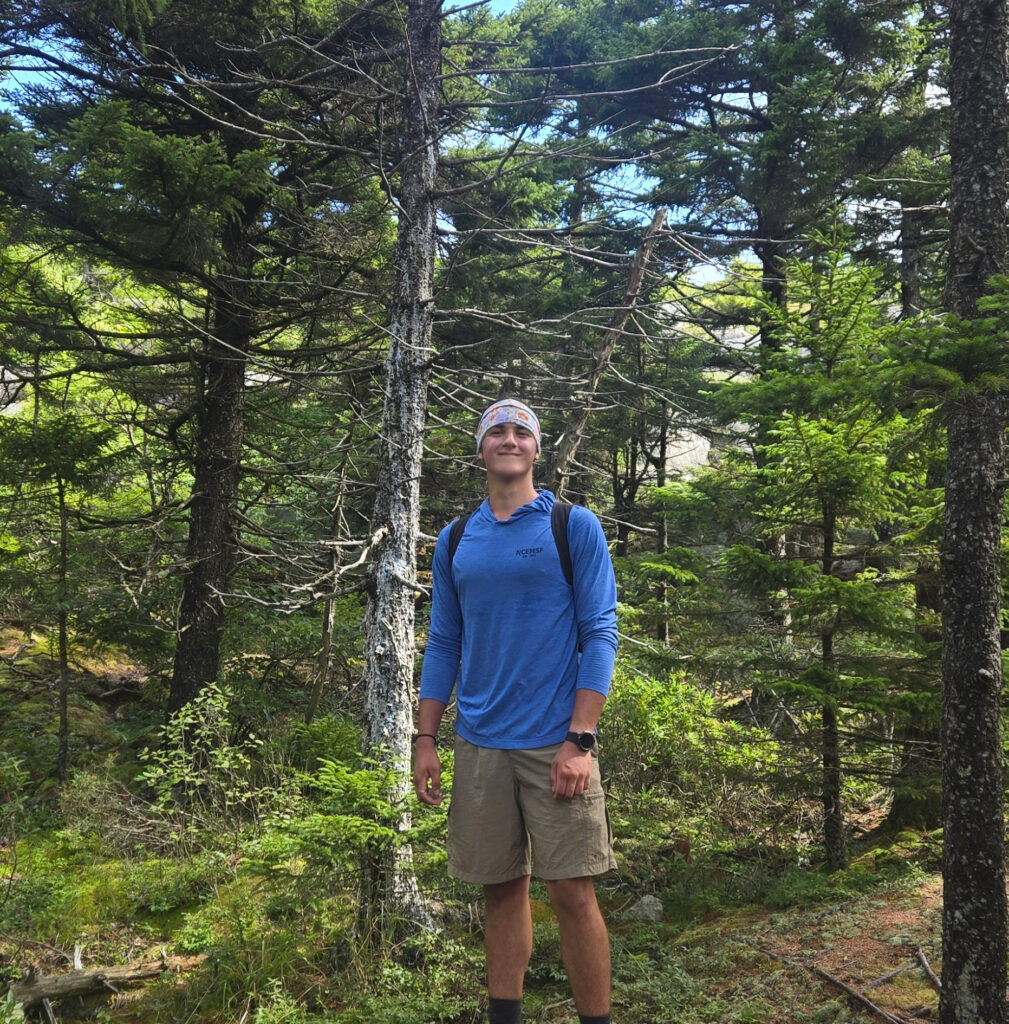
Lex Singh
Lex is a sophomore at the University of Vermont pursuing a B.S. in Environmental Sciences with minors in Geospatial Technologies and Soil Science. A strong interest in watershed protection and restoration has grown through coursework, where runoff is a frequent topic. Lex has many incredible memories of rivers and lakes, spending time paddleboarding, fishing, and swimming. Through the Sea Grant Scholars program, Lex is excited to gain experience in invasive species removal, stormwater management, ecological surveying, and other exciting environmental projects. Looking ahead to next summer, Lex hopes to reflect on the many meaningful contributions and positive impacts made through the Sea Grant Scholars program. Outside of coursework, Lex enjoys staying active and spending time outdoors through running, biking, climbing, swimming, hiking, kayaking, paddleboarding, and very recently, jujitsu.
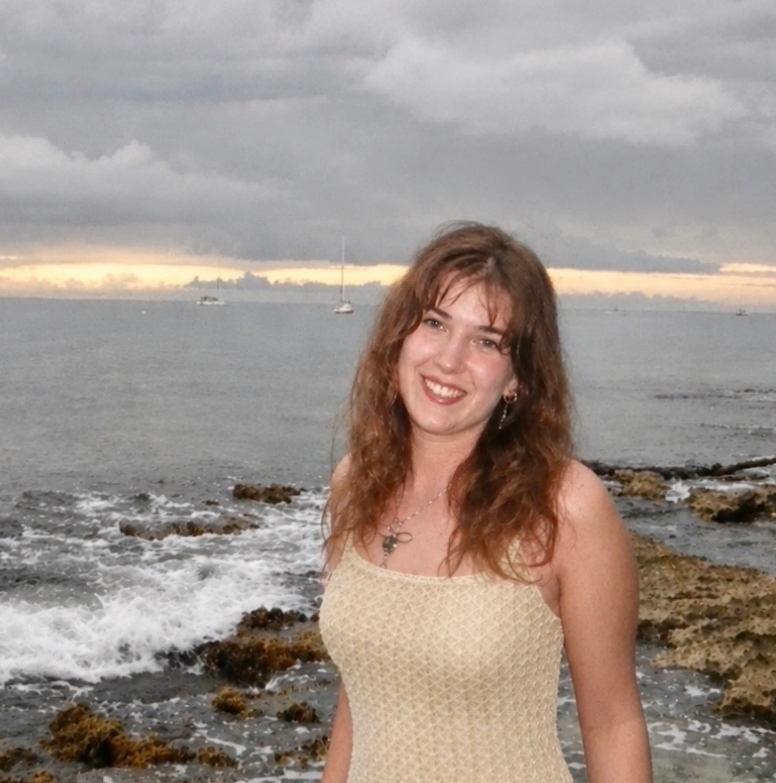
Paige Kline
Paige is a sophomore at UVM studying Mechanical Engineering. A deep appreciation for waterways and aquatic ecosystems sparked interest in the Sea Grant Scholars program. Having grown up around a variety of water resources, a strong connection to and admiration for these environments has developed over time. Through the program, Paige is especially interested in exploring how mechanical engineering can help address environmental challenges, particularly those affecting aquatic life. The professional development workshops through the program are also a key area of interest, offering valuable insight into navigating future career opportunities and the professional world after graduation. Outside the classroom, Paige enjoys spending time outdoors through activities such as hiking, sailing, and snorkeling. Creative pursuits are also a favorite pastime, with interests including ceramics, painting, and other artistic endeavors.
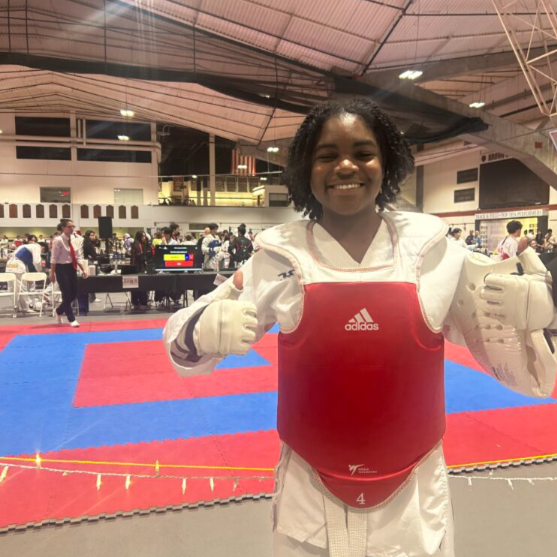
Senique Wilson
Senique is a sophomore at the University of Vermont studying Electrical Engineering. A background in and passion for oceanography inspired Senique’s interest in the Sea Grant Scholars Program. As an electrical engineering student, Senique is particularly interested in discovering how engineering principles and technologies can be applied to advance marine research and innovation. Opportunities to collaborate with professionals across a range of disciplines are especially exciting! The program has already introduced new areas of environmental work, including stormwater management, broadening perspectives on the many ways science and engineering can support healthy ecosystems. Outside of coursework, Senique enjoys early morning runs and snorkeling. Running provides an energizing start to the day, while snorkeling offers a chance to unwind and connect with the aquatic environment.
Soraya Hammer
Soraya is a junior at UVM studying Sustainability, Ecology & Policy: Applied Ecology and Studio Art. A Watershed Alliance Educator, Soraya was introduced to Sea Grant and its mission earlier this year. With graduation beginning to come into focus, the program’s internship and networking opportunities stood out as a valuable way to explore future career paths. Interests include learning more about Sea Grant’s impact beyond education and gaining insight into other local organizations working toward similar environmental and community goals. Outside of coursework, Soraya is an avid reader and has read 31 books for fun this year. Favorite titles include Braiding Sweetgrass by Robin Wall Kimmerer, Martyr! by Kaveh Akbar, and An American Marriage by Tayari Jones.