Secondary tabs
Submission information
| Study Title | Roy Mountain WMA, SAP-Ne Demonstration Site (Barnet, VT) |
|---|---|
| Case Study Type | Forest type, Forest health |
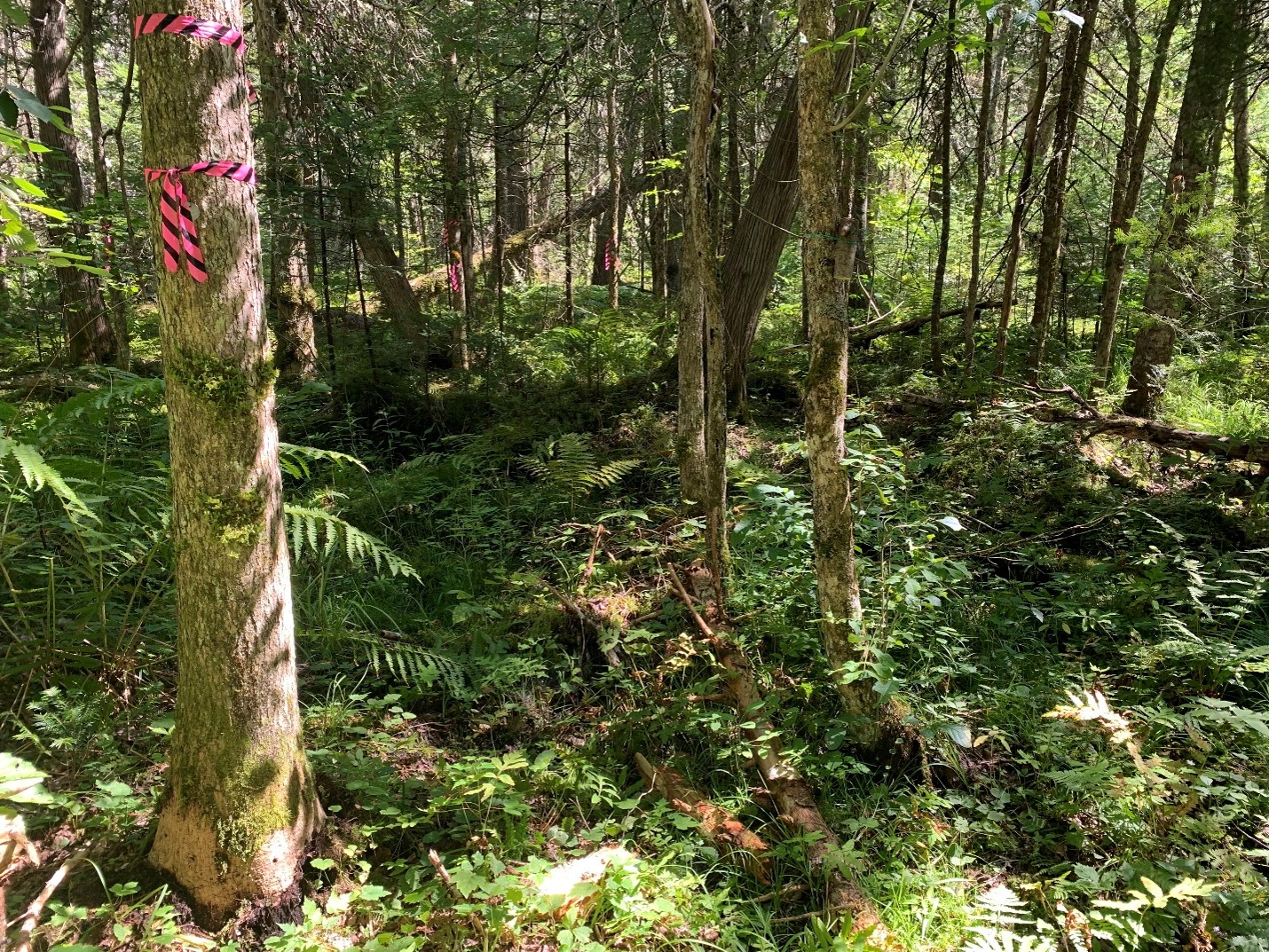
| Site Photo |
|
| Lay Summary | The Vermont Department of Forests, Parks, and Recreation observed black ash within the site were becoming infested with EAB. Parasitoid releases began in 2025 and continued into 2026. Injections of emamectin benzoate were conducted in 2026 on black ash (male and female) at the site. Both treatments occurred to maintain ash on the landscape at this important WMA. Injected trees will be monitored for canopy health annually and will be re-treated as needed. |
| Location | Barnet, Vermont |
| Location Description | Wildlife management area (state-owned) in Northeastern part of Vermont; near Connecticut River. |
| Latitude | 44.280025 |
| Longitude | -72.141205 |
| Directions | Take exit 18 for Barnet off Interstate 91. Go west on West Barnet Road for 2.7 miles. Then turn left onto Roy Mountain Road for 2.9 miles and then turn left onto Jewett Brook Road. |
| Accessibility | Site accessible by foot and by vehicle |
| Landowner Name | State of Vermont – Fish and Wildlife Department |
| Landowner phone | +1 802-878-1564 |
| Landowner email | fwinformation@vermont.gov |
| Stand Area with Units | 4 acres |
| Cover Type | Northern white cedar swamp |
| Primary Forest Health Threat | emerald ash borer |
| Primary Pests/Disease | emerald ash borer |
| Pre-Treatment Forest Health Issues | Emerald ash borer |
| Case Overview | Black ash species impacted by EAB. In an effort to keep black ash on the landscape, a total of 12 biocontrol releases occurred between 2025-2026, and 15 ash trees were injected with emamectin benzoate (4%) in 2026. Treated trees will be monitored annually and re-treated when appropriate. Establishment of biocontrol parasitoids will be assessed starting in 2027. |
| Silviculture Objectives | Trying to keep ash on the site. |
| Landowner Objectives | Trying to keep ash on the site. |
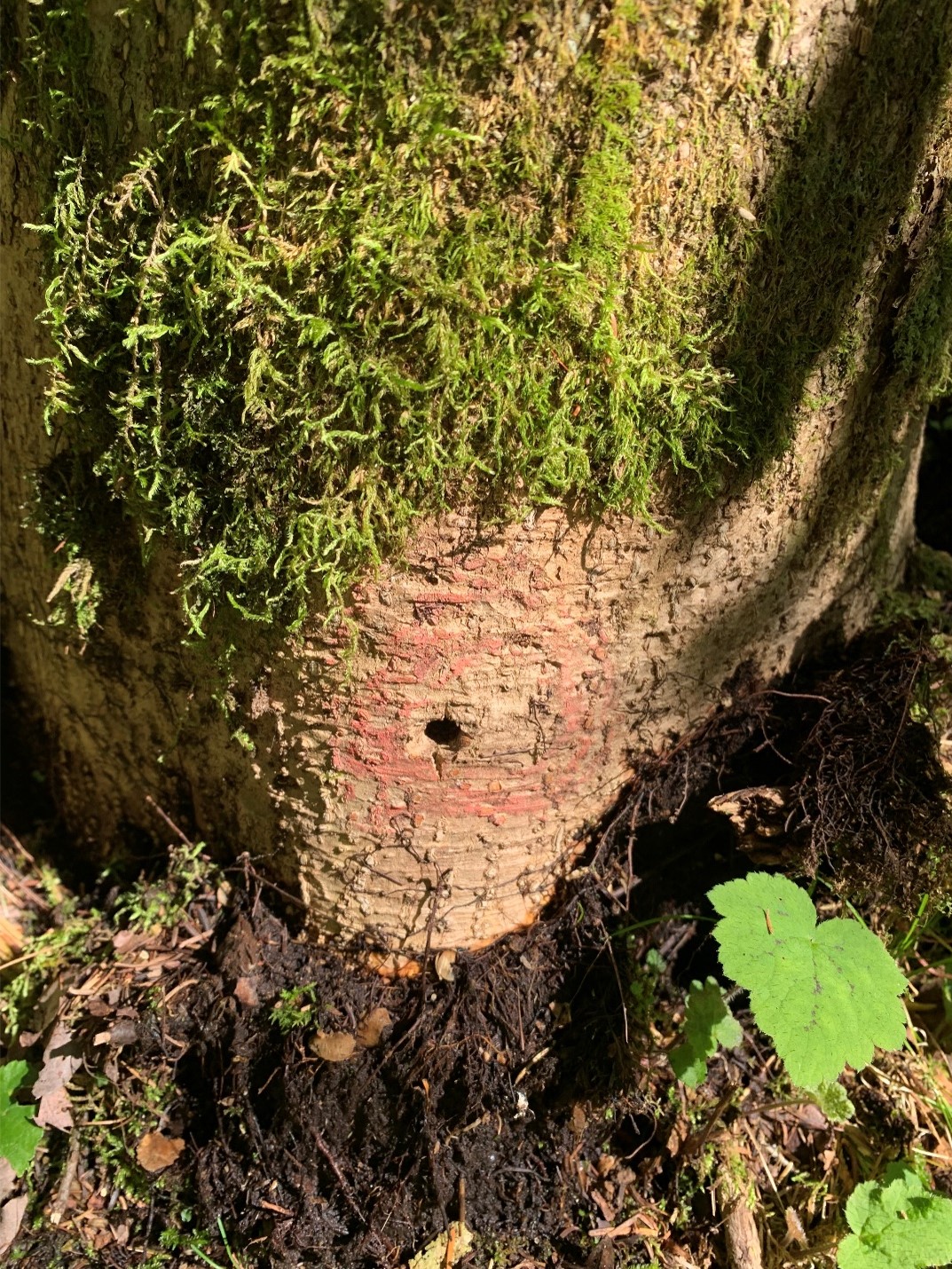
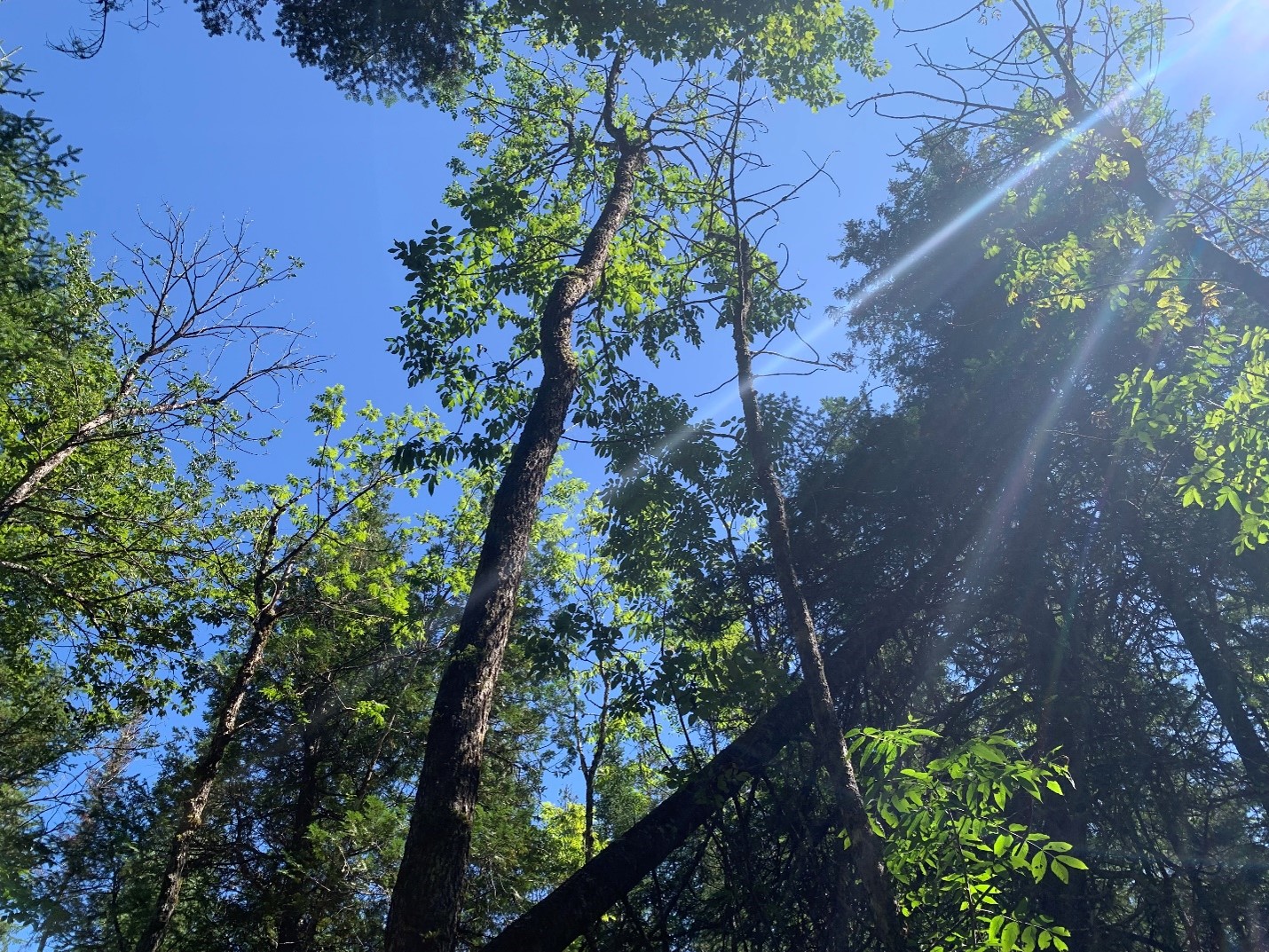
| Silviculture Prescription | Management objectives are to maintain genetic diversity and to slow the decline and mortality of the black ash on site. Dominant and codominant trees with no more than 30% dieback will be targeted for insecticide treatments. Insecticide treatments will be done using Tree-age G4 emamectin benzoate (4%) insecticide. An ideal ratio of 1:3 male to female trees will be treated to maintain seed production and regeneration on site. |
| Factors Influencing Prescription Choice |
|
| Equipment used | ArborJet Quik-Air injection system and plugs |
| Prescription Notes | Injections – measured DBH to inject correct amount, drilled corresponding number of holes on or near root flares, installed plugs, injected insecticide. |
| Post-Treatment Assessment Expected | yes |
| Future Treatment Plans | Will follow up with more treatments in 2029 |
| Primary Contact | Josh Halman |
| Contact Organization | VT Dept. of Forests, Parks and Recreation |
| Contact Email | Joshua.halman@vermont.gov |
| Additional files | |
| Additional Photo 1 |
|
| Additional Photo 2 |
|