Secondary tabs
Submission information
| Study Title | Pratt Refuge, SAP-Ne Demonstration Site (South Duxbury, VT) |
|---|---|
| Case Study Type | Forest health, Management type |
| Management Subcategory | demonstration site |
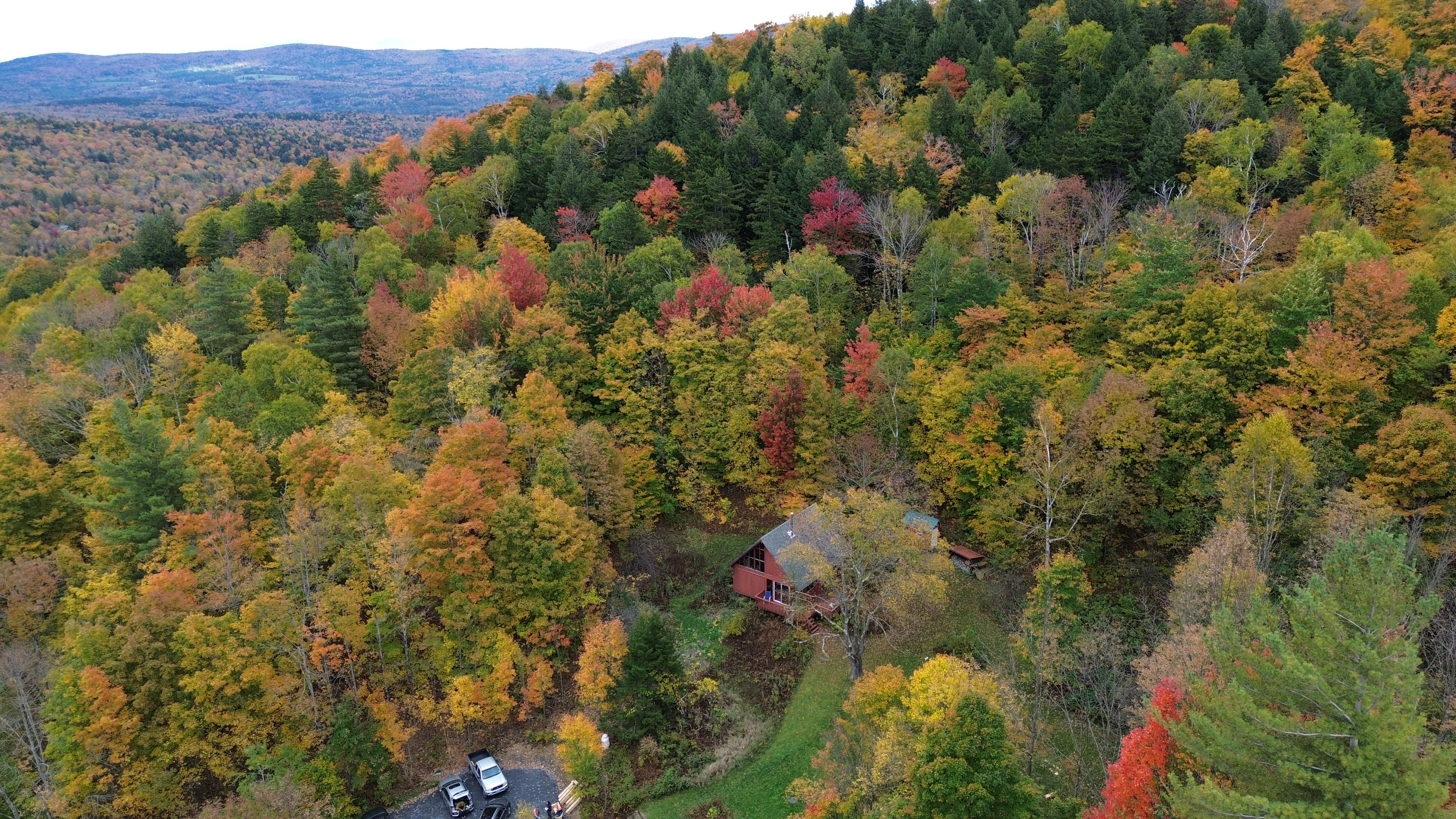
| Site Photo |
|
| Lay Summary | Emerald ash borer threatens the long-term existence of all species of ash native to North America, including the Pratt Refuge, with less than 7% of the property's basal area belonging to white ash. In the summer of 2022, 20 white ash trees (10 male, 10 female) were injected with emamectin benzoate and then treated again in 2025 to preserve genetic diversity and protect seed trees for future ash regeneration. Starting in 2025, 40 white ash trees will be monitored annually for signs of EAB and tree health using the Monitoring and Managing Ash (MaMA) protocol in order to identify lingering ash. Forest stewardship practices at this site are supported in part by the Sustaining Ash Partners Network (SAP-Ne), through a demonstration site network showcasing effective approaches for preserving future generations of ash in the face of emerald ash borer. |
| Location | South Duxbury, Vermont |
| Location Description | A 518-acre property on either side of Ward Hill Rd. The ash preservation patch is located in the northern hardwood forest on either side of the cabin south of Ward Hill Rd. The MaMA plot is located north of Ward Hill Rd around the birding loop trail. |
| Latitude | 44.260984 |
| Longitude | -72.820799 |
| Directions | Ward Hill is off of Route 100 between Waterbury and Waitsfield. The address for the parking lot at the cabin is 2139 Ward Hill Rd. |
| Accessibility | The treated trees and MaMA plot are accessed by foot only on and off trail. Some treated trees are located along the universally accessible trail and can also be accessed using a mobility device. |
| Landowner Name | Vermont Land Trust |
| Landowner phone | +1 802-989-9616 |
| Landowner email | caitlin@vlt.org |
| Stand Area with Units | 3-acre ash preservation patch; 6-acre MaMA plot |
| Cover Type | Ash |
| Primary Forest Health Threat | emerald ash borer |
| Primary Pests/Disease | emerald ash borer |
| Start date | Thu, 07/14/2022 - 00:00 |
| Stand History | The stand originated from abandoned pasture approximately 90 years ago. It was last harvested in in the early 1990s. |
| Pre-Treatment Forest Health Issues | Emerald Ash Borer |
| Case Overview | Emerald ash borer threatens the long-term existence of all species of ash native to North America. In 2018, Emerald Ash Borer (EAB) was detected in Montpelier, less than 10 miles from the Pratt Refuge. White ash represents less than 7% of the basal area on the property. We identified 10 healthy female white ash and 10 healthy male white ash trees ranging in size from 9” to 23” diameter at breast height (DBH). These 20 white ash trees were injected with emamectin benzoate in July 2022 and then again in June 2025 to preserve genetic diversity and protect seed trees for future ash regeneration. This is one site in a network of sites owned by non-profit and state and federal partners where ash preservation patches have been established to conserve ash genetics. In 2025 we established a Monitoring and Managing Ash (MaMA) plot to hopefully identify any lingering white ash. |
| Silviculture Objectives | Conserve a reproducing population of white ash, preserve the genetics of white ash, and identify lingering white ash. |
| Landowner Objectives | The primary goal of the landowner is to maintain a healthy and productive forest ecosystem that provides a diversity of benefits. VLT manages the property to meet the following objectives: - Protect forest health, water quality, and soil health - Enhance and protect wildlife habitat, especially bird habitat - Produce high quality timber products and maple sap - Protect native biodiversity - Conserve white ash - Protect historic and cultural resources - Increase forest resilience in the face of climate change |
| Silviculture Prescription | Twenty white ash trees (10 female and 10 male) were treated with a systemic trunk injection of emamectin benzoate 10.0% (Trade name: TREE-age R10 by Arborjet) at an application rate of 2 mL per inch DBH using the Arborjet QUIK-jet AIR Kit. Trees were sexed in 2022. The first treatment occurred in July, 2022 and the second treatment occurred in June, 2025. We plan to continue to treat these trees every three years. The MaMA plot was established in 2025. Canopy health of 40 white ash trees and signs and symptoms of EAB will be monitored annually. |
| Factors Influencing Prescription Choice |
|
| Equipment used | Arborjet QUIK-jet AIR |
| Prescription Notes | Lessons learned: Planning a couple years ahead is highly recommended as it's easiest to sex trees during heavy seed years, which are episodic. It is important to sex trees before treatment because you need to make sure you treat enough females. For genetic conservation goals, USFS researchers recommend 1:4, male:female. For this site it was hard to find females so we ended up treating 1:1, male-female. It’s important to select the healthiest, most vigorous trees. |
| Post-Treatment Assessment Expected | yes |
| Post-Treatment Assessment | We check on the tree health between treatments and will adjust the treatment timing accordingly. The MaMa plot is monitored annually. |
| Treatment Total Time | 11 hours, excluding travel time |
| Treatment Total Cost | About $1723, not including travel time or mileage. |
| Future Treatment Plans | The 20 white ash trees in the preservation patch will be treated every 3 years. The 40 white ash trees in the MaMA plot will be monitored annually |
| General Notes | VLT received a grant from the USFS to purchase the injection equipment. |
| Primary Contact | Caitlin Cusack |
| Contact Organization | Vermont Land Trust |
| Contact Email | caitlin@vlt.org |
| Additional Photo 1 |
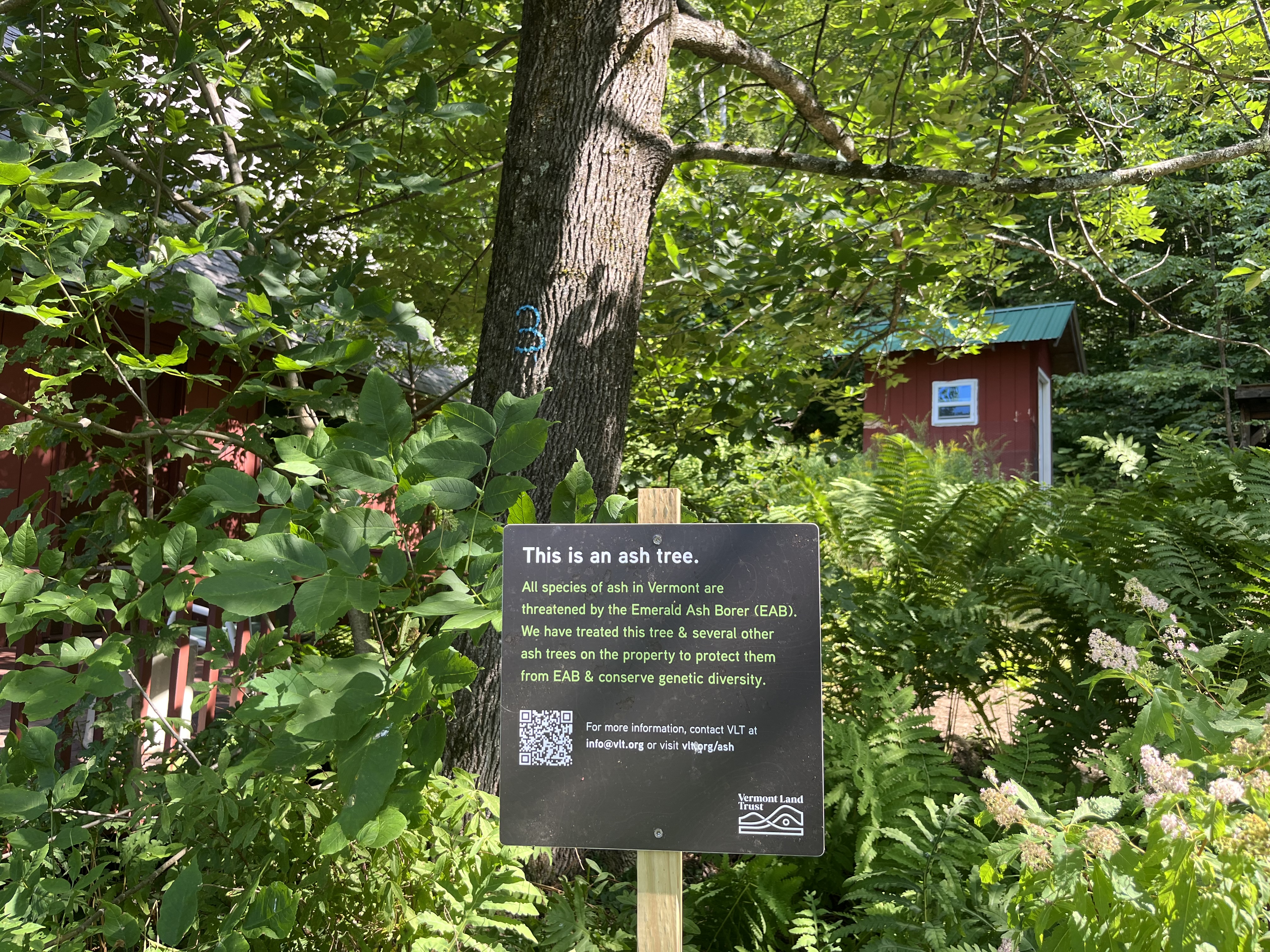
|
| Additional Photo 2 |
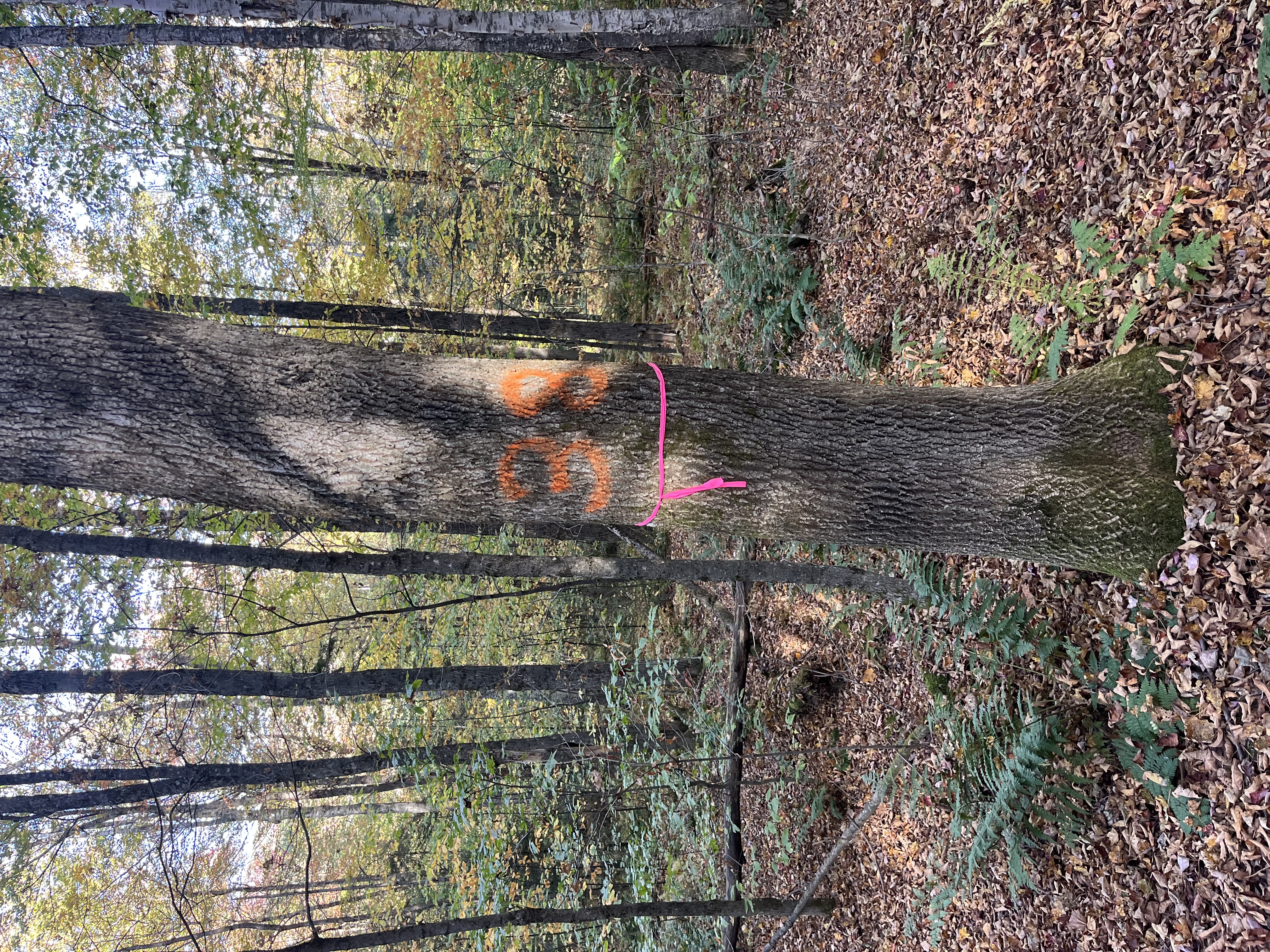
|
| Additional Photo 3 |
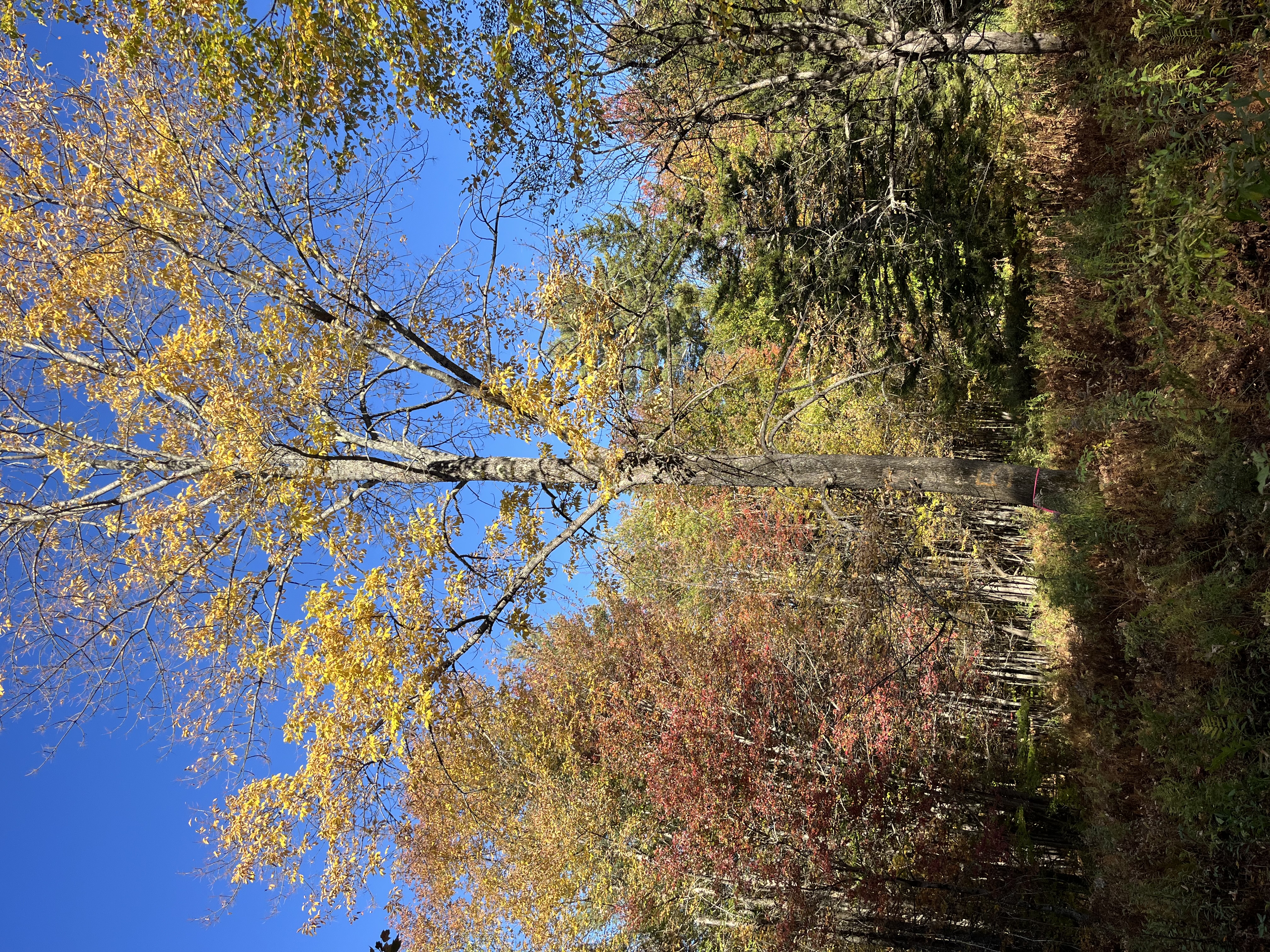
|