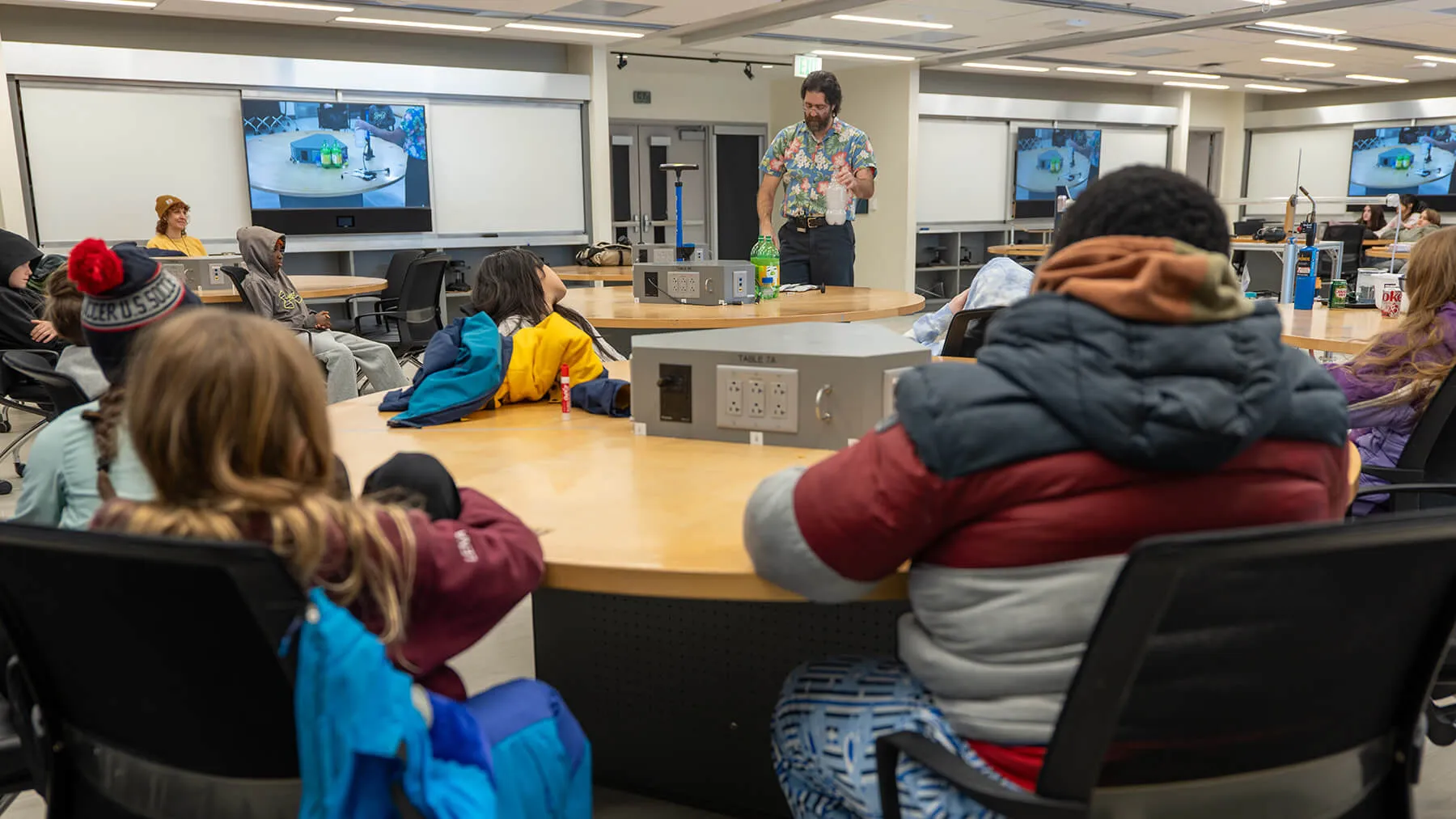
Our core curriculum covers the fundamentals of physics, such as mechanics, electromagnetism, statistical physics, and quantum theory. Students can choose from electives to explore subfields such as: astrophysics, biological physics, condensed matter physics, nanotechnology, quantum optics, and computational physics. Many of our introductory courses incorporate active learning and fun demos!

Undergraduate Physics
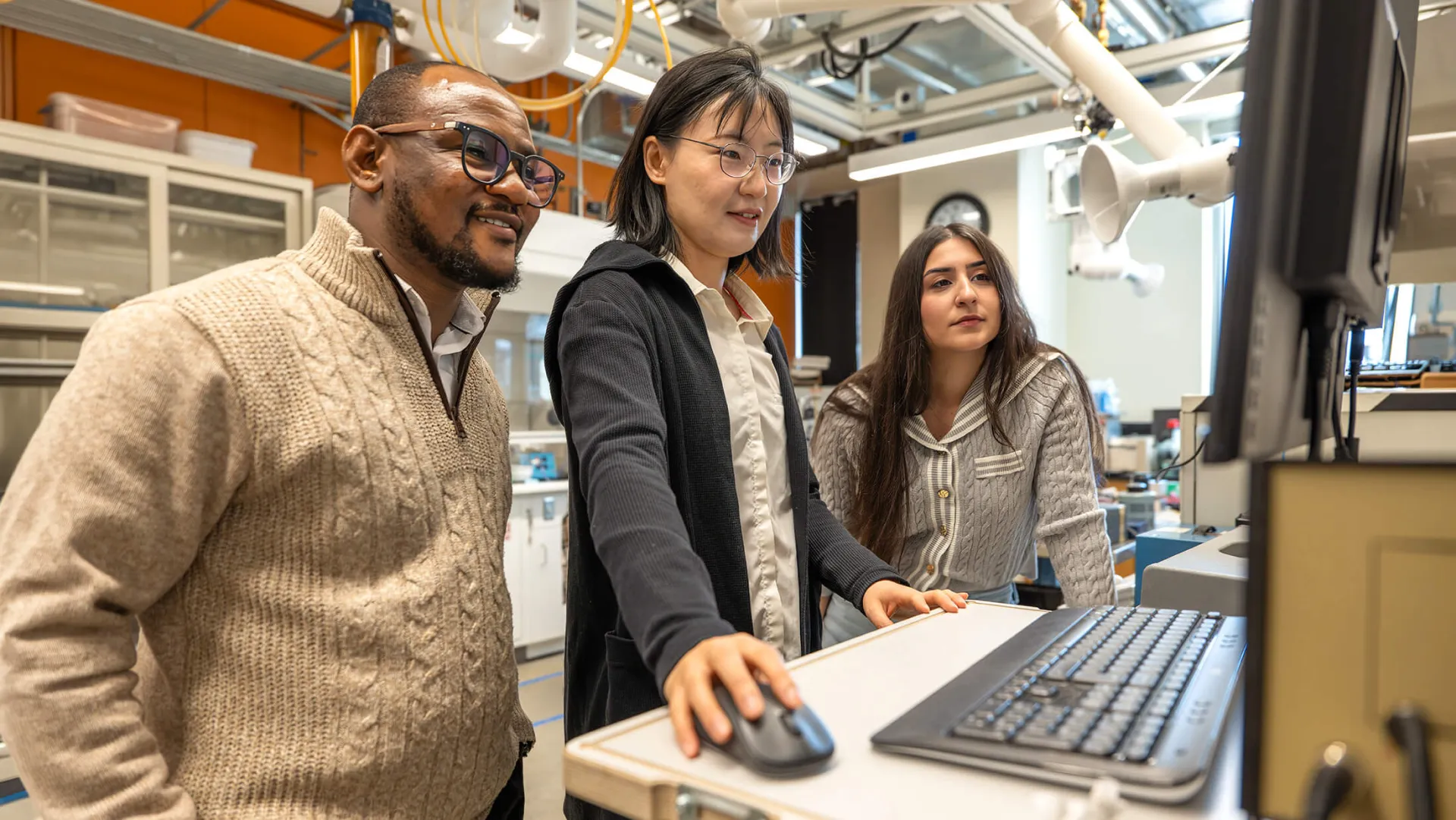
Students are trained in small, innovative classes by distinguished teacher-scholars. Majors learn to perform innovative experiments in well-equipped labs conducting research that has a real-world impact under the guidance of faculty. Research fellowships are available for interested students.
Undergraduate Programs
Graduate Physics
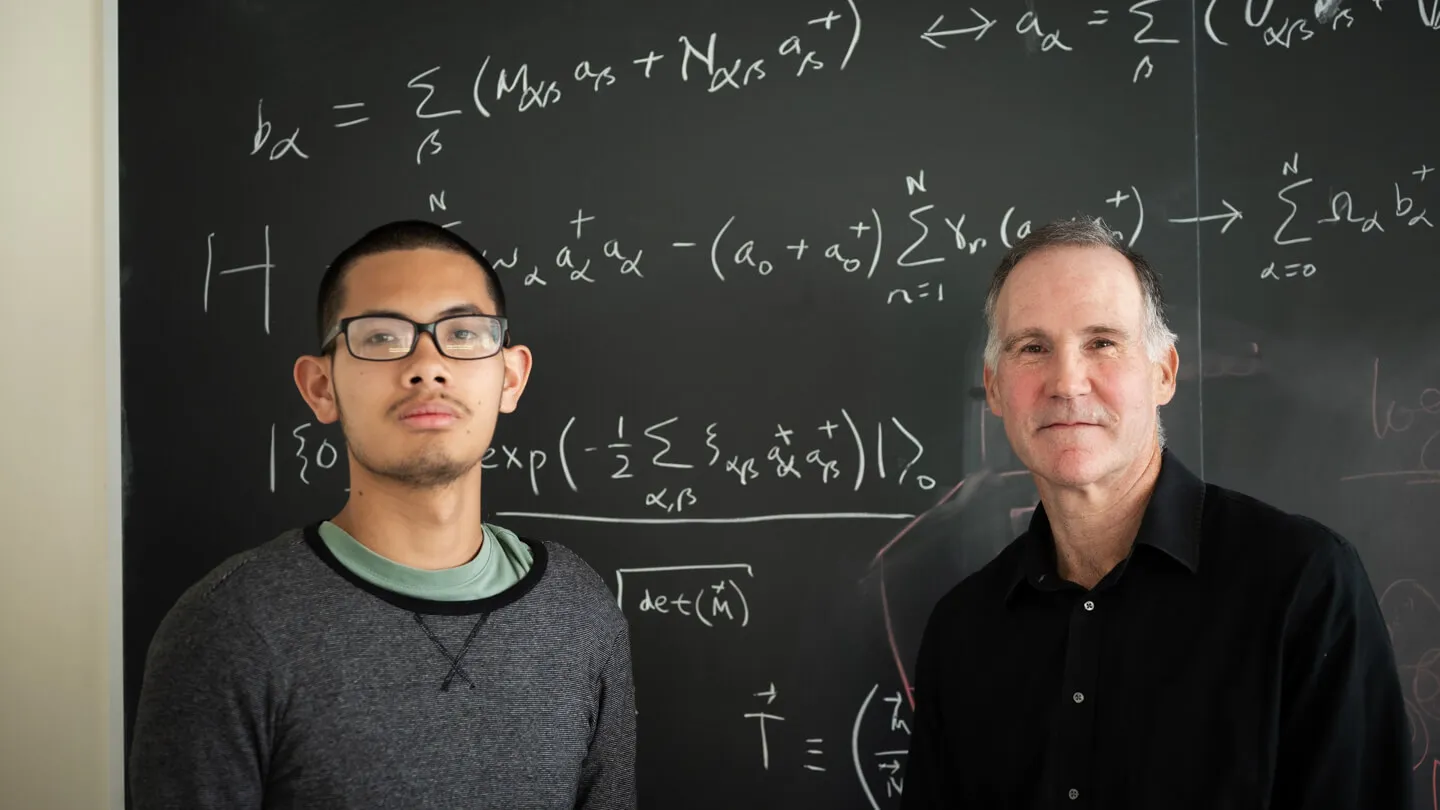
At UVM, you’ll have opportunities for advanced study under the close supervision of faculty members and fellow graduate students pursuing research at the frontiers of physics. Graduates receive excellent training to prepare them for careers in academia, industry, or a variety of government agencies.
Graduate program in Physics
Cutting-edge facilities
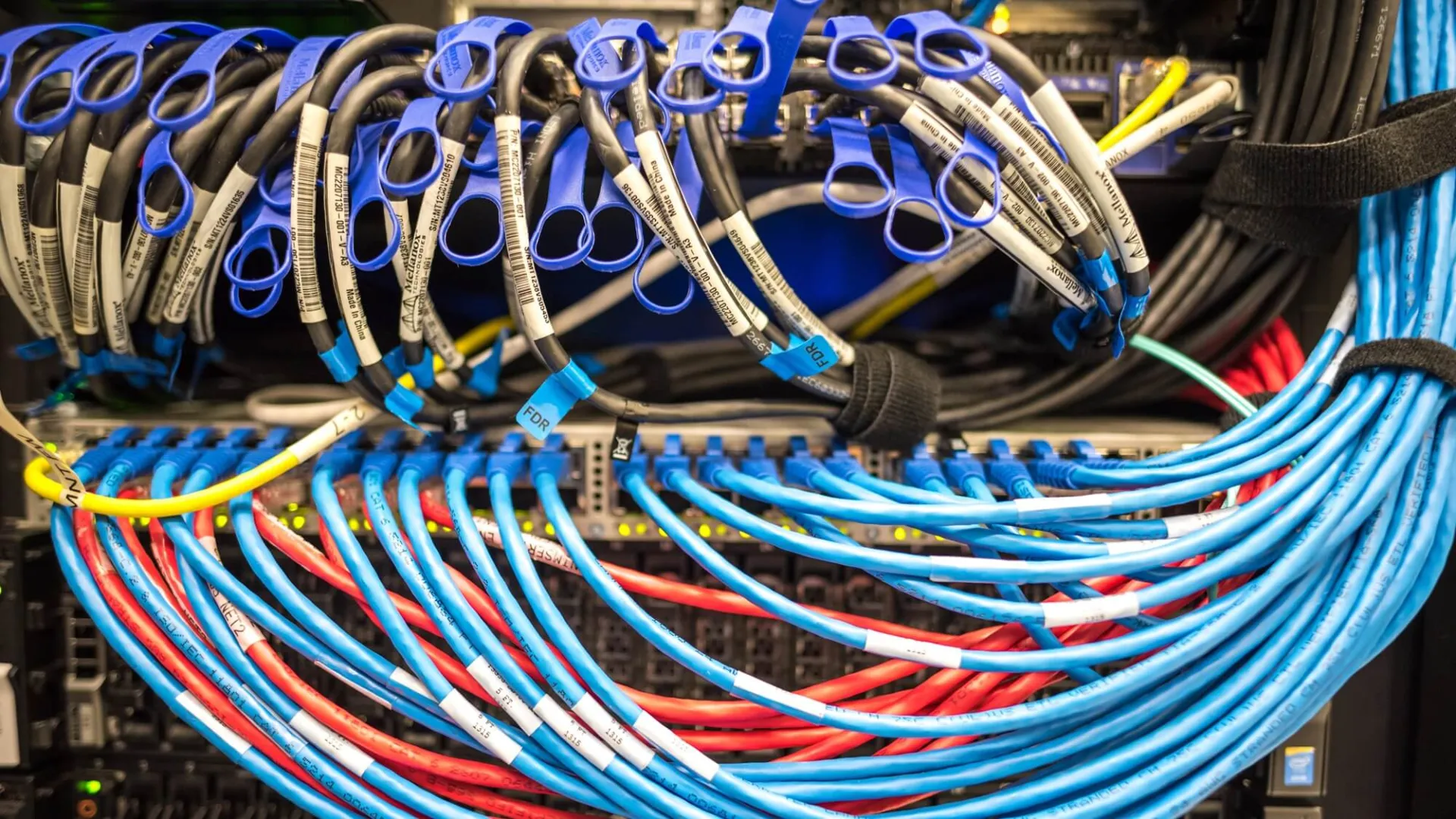
As part of the STEM complex, Discovery Hall and Innovation Hall house state-of-the-art laboratories, classrooms, and research facilities that provide hands-on learning opportunities for undergraduate and graduate physics students.
Physics facilitiesCutting-edge facilities
As part of the STEM complex, Discovery Hall and Innovation Hall house state-of-the-art laboratories, classrooms, and research facilities that provide hands-on learning opportunities for undergraduate and graduate physics students.
Physics facilitiesHelpful Links
Upcoming Physics Events
Recent Headlines in Physics
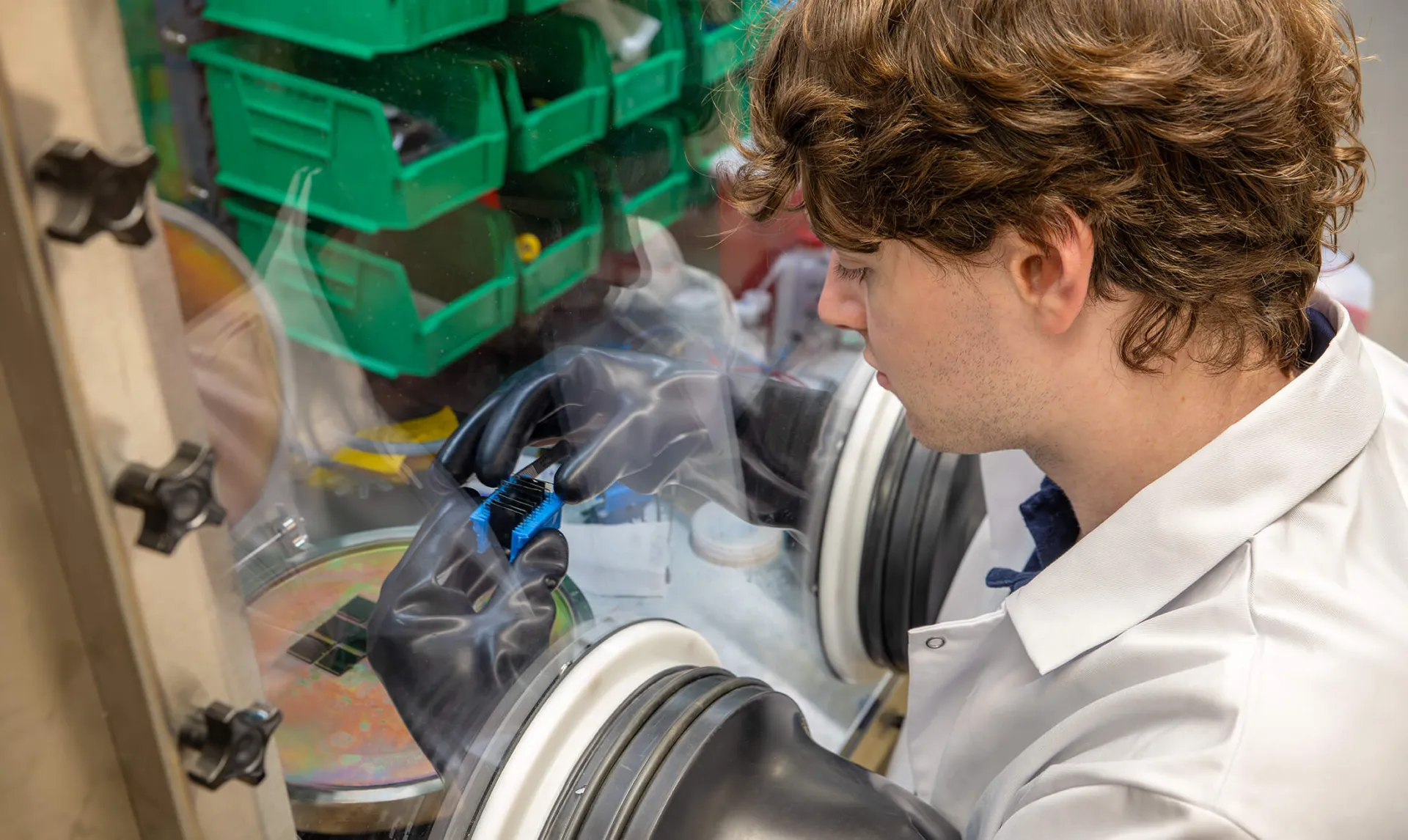
Senior Spotlight: Will Rekas