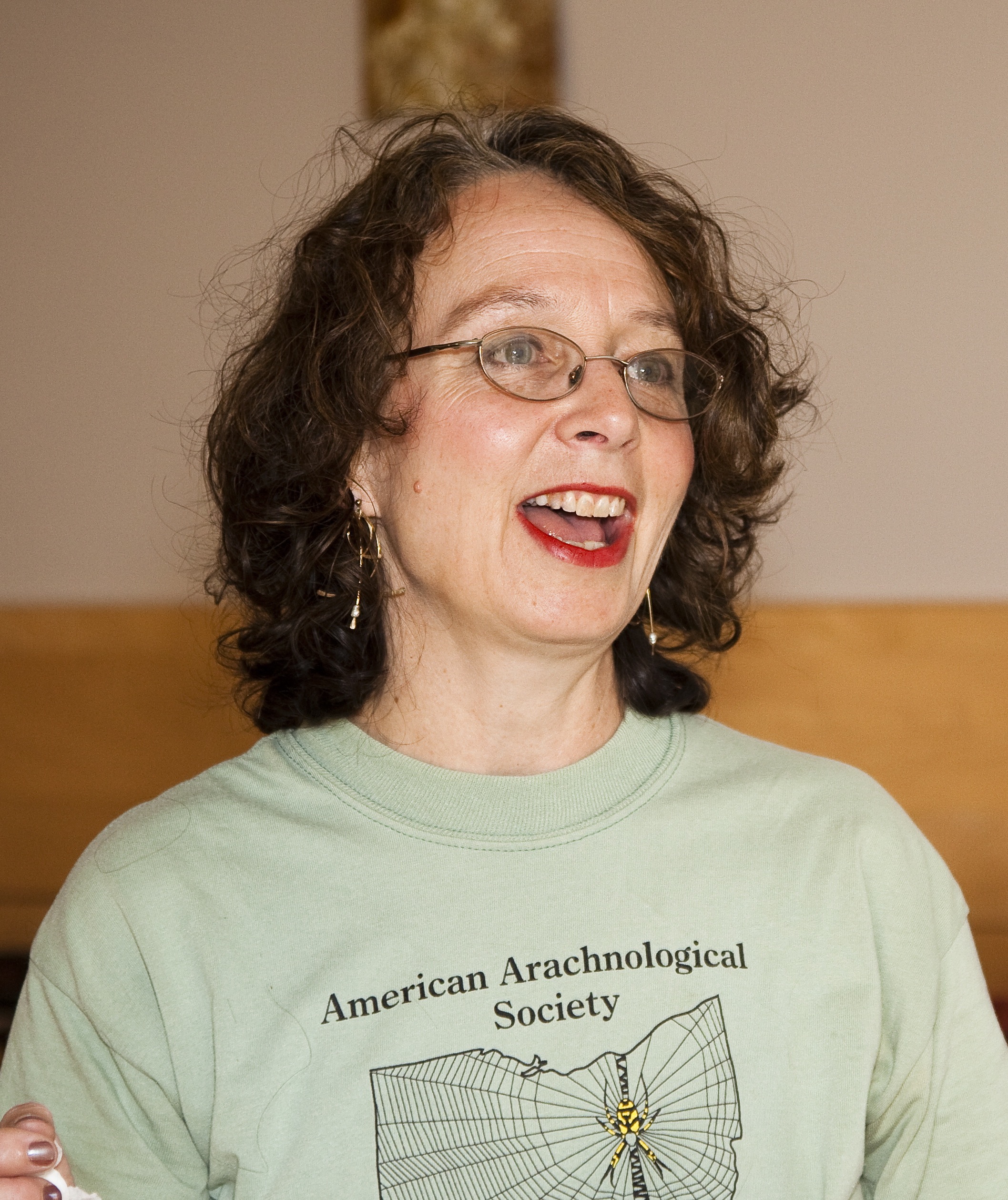
 Linden Higgins
contact: Linden.Higgins<at>uvm.edu
 Supported in part through grants
from the National Science Foundation
Supported in part through grants
from the National Science Foundation|
Linden Higgins contact: Linden.Higgins<at>uvm.edu |
| Supported in part through grants
from the National Science Foundation |
Consulting: Education for Critical Thinking Philosophy of teaching Using formative assessments in a large lecture setting On-line quizzes to teach problem-solving Quizzes improve student outcomes: a test |
STEM (science, technology, engineering and math) for adults. Scientists have the reputation of being terrible instructors, but in my time in college-level teaching, I've met few who did not deeply care about what and how their students learned. The real problem may be that few graduate students in the sciences are ever taught about teaching and learning – as is true in much of graduate education, we are tossed into the deep end to swim as best we can. We end up re-inventing many of education's wheels through this process, missing out on the wonderful tools that are available. In seeking to improve my instructional techniques and thus provide better opportunities for students, I've done my share of re-invention. In completing a masters in educational leadership, I accelerated my learning by discovering the world of K-12 educational research. I learned many new techniques and approaches to learning as well as the correct implementation - and names - of techniques I'd discovered on my own. On my education web pages I provide some ideas and data demonstrating the efficacy of these techniques; click on the links to the left to learn more about my philosophy and research in education. |
 Nephila life cycle and natural
historyWeb
building and prey captureStudying
Nephila clavipes
in Mexico Nephila life cycle and natural
historyWeb
building and prey captureStudying
Nephila clavipes
in Mexico |
Biological
research - why I study spiders. We often think of each species having its particular "place" in the natural world. But many species survive and even thrive in diverse habitats – perhaps the best known habitat generalist is Homo sapiens - ourselves. Understanding of how organisms can survive in a variety of environments is the study of small-scale adaptation to local conditions. I have spent most of my professional career studying a widely distributed large spider, and this web site shares some of what I have learned. |
| Student projects using Nephila How to identify a great project
and do your own scienceLinks
to interesting web sites in science |
Residents and visitors
to the Gulf Coast of the United States may recognize 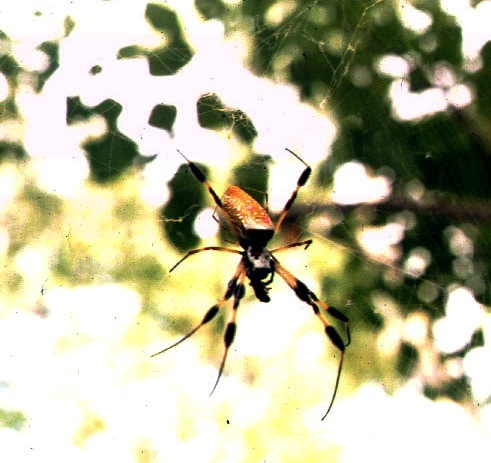 these spiders: they
are the largest orb weaver in the US. Nephila
clavipes is one of only two species in the family
Nephilidae native to the New World; the other - Nephila sexpunctata -
is only found in the forests on the border between Brazil
and Argentinia (a third has been introduced and is common
in coastal Brazil). these spiders: they
are the largest orb weaver in the US. Nephila
clavipes is one of only two species in the family
Nephilidae native to the New World; the other - Nephila sexpunctata -
is only found in the forests on the border between Brazil
and Argentinia (a third has been introduced and is common
in coastal Brazil). More about Nephila and the family Nephilidae, along with many fine photographs, can be found at Matjaz Kuntner's web site. |
Using tools from diverse
disciplines in biology,
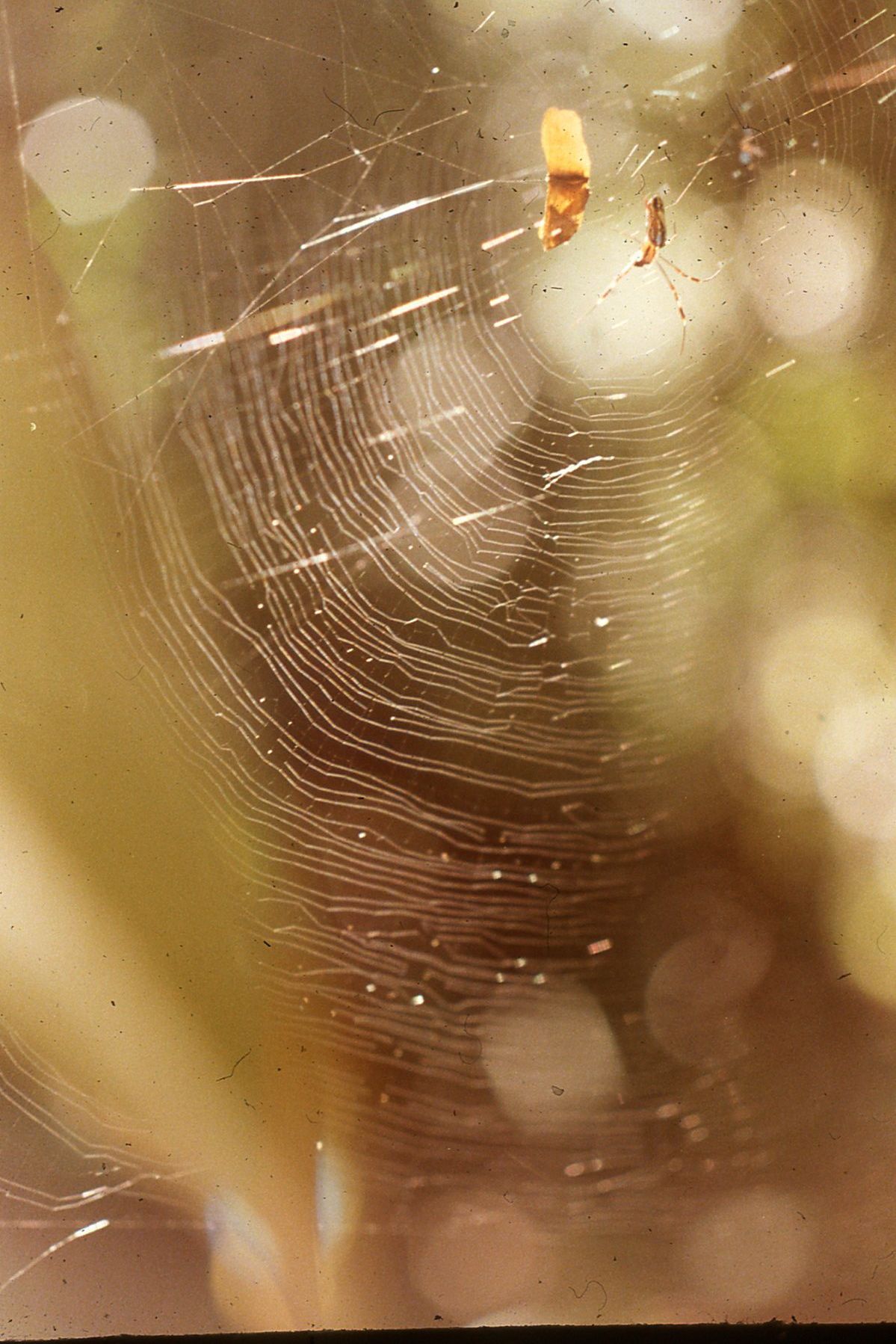 I
study how one species of web-building spider persists
in very different
habitats with little obvious morphological
differentiation. By focusing on a single species,
I have been able to integrate biological processes
across the scales from the molecular to the community. I
study how one species of web-building spider persists
in very different
habitats with little obvious morphological
differentiation. By focusing on a single species,
I have been able to integrate biological processes
across the scales from the molecular to the community.Large numbers of students have worked in my laboratory on projects associated with understanding these spiders. Click on the spiders to the left to learn more about Nephila and my research. |