home

We offer both Undergraduate and Graduate degrees in Early Childhood Special Education.

What are students saying about the Early Childhood Special Education Teacher Preparation Programs at UVM?

Read about the $ 1.25 million award to support the tuition of teacher candidates in our program!

Early Childhood Special Education

Early Childhood Special Education

There is a national shortage of Early Interventionists (Birth – 3 years) and Early Childhood Special Educators (3 – 6 years):

Over the last decade the demand for Early Childhood Special Education teachers increased by more than 100% from about 13,000 to over 27,000. The number of graduates in early childhood special education preparation programs is much too low to satisfy this need. According to the 2006 Annual Report to Congress on the Implementation of IDEA there is a significant shortage of qualified personnel to work with 299,848 infants and toddlers receiving early intervention services. These shortages pose a significant threat to the quality of programs for young children with disabilities. The shortages of personnel and the demands for more qualified EI and ECSE are projected to continue into the future (NECTAS, 2006).

Early Childhood Special Education at The University of Vermont:

The University of Vermont is responding to these shortages by preparing Early Interventionists and Early Childhood Special Educators through nationally accredited programs culminating in a B.S. or M.Ed. The Early Childhood Special Education Programs are built upon the Council of Exceptional Children (CEC) Division of Early Childhood (DEC) standards.

Community Based Learning:

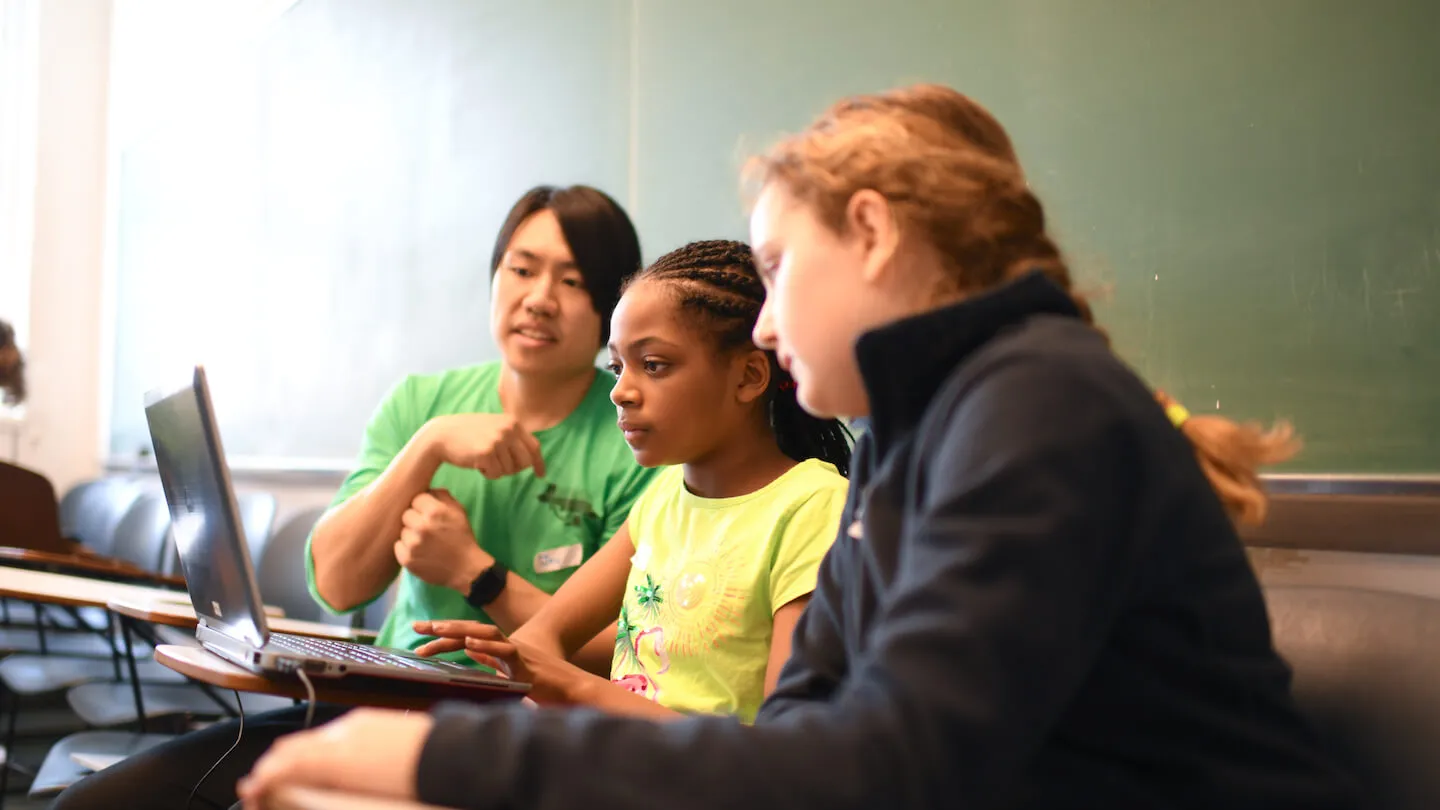
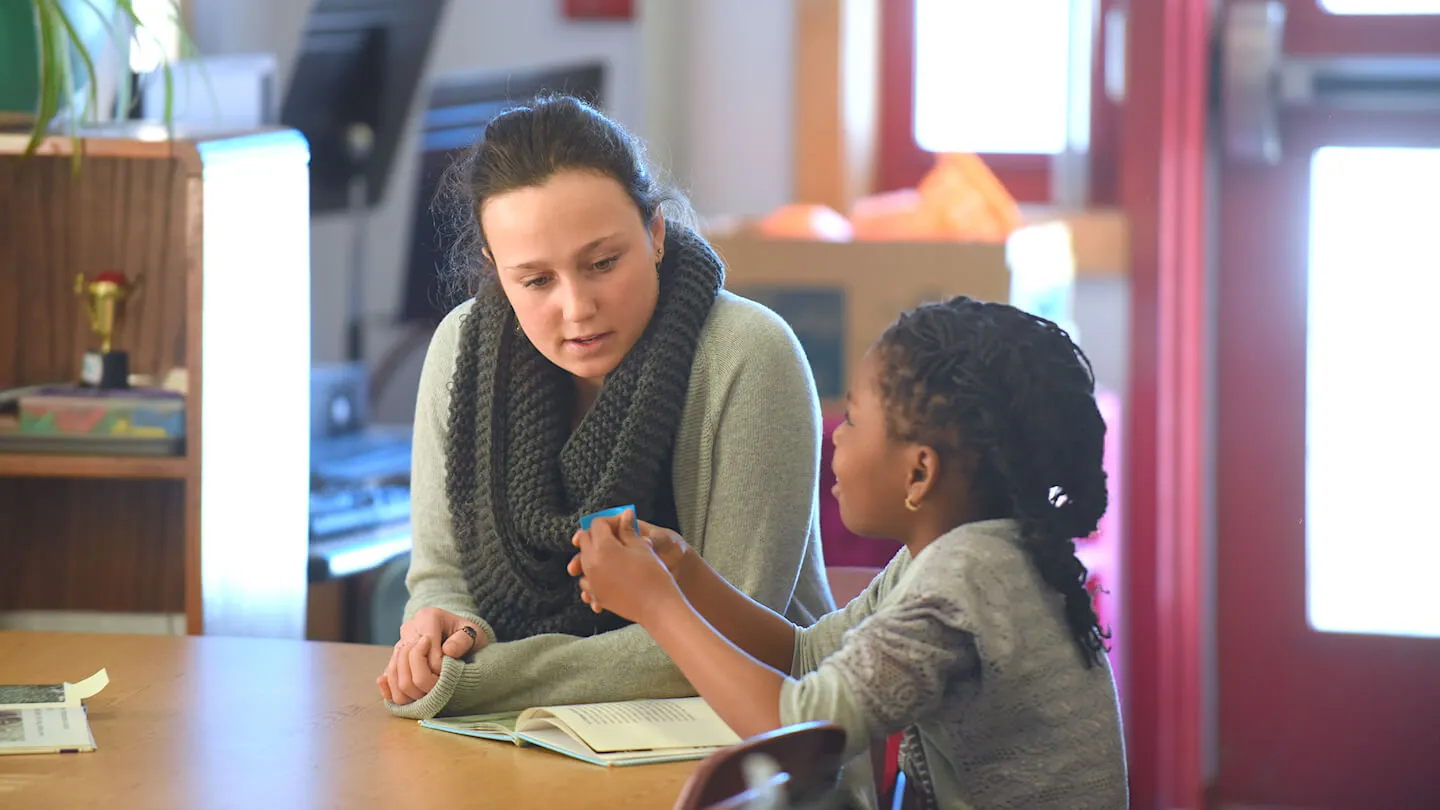
UVM prides itself on providing Early Childhood Special Education candidates with authentic community based learning. Families of children with disabilities and local professionals have a strong presence in our classes and our students are welcomed into their field experiences by professionals dedicated to sharing their expertise with UVM scholars. Field-based experiences are designed to enable candidates to put theory into practice within supportive, high quality environments that value both diversity and inclusion.

Evidence Based Practice:

Scholars leave the program with the skills needed to access research based evidence and to judge its value in order to serve children and families with diverse needs. Undergraduate and graduate students have opportunities to engage in research projects with faculty on a range of topics such as the inclusion of young children with disabilities in the least restrictive environment and special education services for children who are English language learners.

Cultural, Linguistic and Economic Diversity:

Teachers will be more successful working in underserved communities if they are prepared in those communities and faculty at The University of Vermont are intentional about ensuring field experience in schools that serve Burlington’s diverse community. Scholars receive hands-on experience serving families and children who are experiencing disability, English language learners, refugees and or living with poverty. Given the diverse community characteristics of Burlington, UVM is in the ideal setting for preparing educators who are committed to inclusion, social justice and for the development of skills, dispositions and experiences necessary for serving all infants, toddlers and preschool aged children with disabilities.

To learn more about these programs, click here.


Last modified January 11 2012 09:13 AM

Contact UVM © 2013 The University of Vermont - Burlington, VT 05405 - (802) 656-3131