Special Announcements
- Travel Allocability on Grants (charging travel to sponsored projects)
- Budgeting IRB Fees in Proposals to Foundations, Industry and Non-Profits
- Proposing and Managing Effort on Sponsored Projects
- NIH Requires Use of the eRA Commons for Prior Approval Module, effective 2/20/2026
- NIH Foreign Component with money or no money Requires Prior Approval
- Digital Rewards Guidance: Stay Alert, Protect Against Fraud
- NIH Update: New Proposal Structure when Including Foreign Subawards, NOT-OD-25-155
- Join SPA News
- SPA Reminder: Travel Allocability on Grants (charging travel to sponsored projects)
- SPA Reminder: Budgeting IRB Fees in Proposals to Foundations, Industry and Non-Profits
- SPA Reminder: Proposing and Managing Effort on Sponsored Projects
- Research Compliance Update: Final Rule on Preventing Access to U.S. Sensitive Personal Data and U.S. Government Related Data (Bulk Data Rule)
- NIH Foreign Component with money or no money Requires Prior Approval
- Digital Rewards Guidance: Stay Alert, Protect Against Fraud
- Research Security Update and Training Reminder
- More SPANews



Sponsored Project Administration is organized around the concept of the Sponsored Project Lifecycle and offers subject matter expertise in all areas. Explore all the steps in the Sponsored Project Lifecycle below.

Find Funding
The Research Development team helps match researchers with funding opportunities; they provide other services, including grant writing and development.
Research Development Limited Submissions Internal Funding Complex Projects
Develop Proposal
In this phase, researchers partner with SPA, Research Development, and other staff to create high quality proposals.
Grant Writing Support Develop Budget SPA Fact Sheet PI Eligibility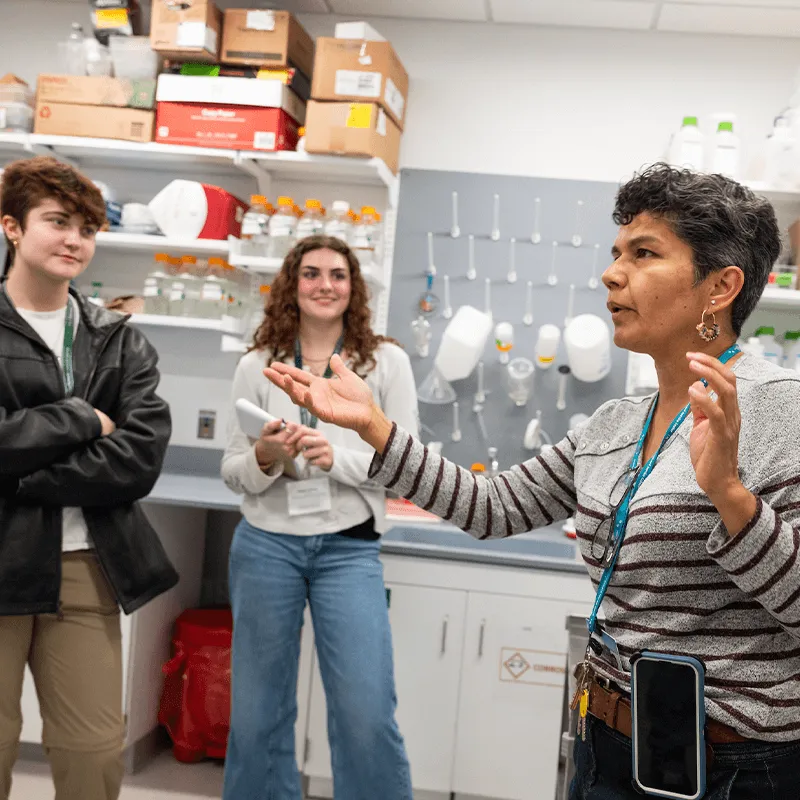
Prepare and Submit
Once the proposal is ready, SPA staff review it for compliance with sponsor and University requirements, collect the necessary internal approvals, and submit or facilitate submission to the funding agency.
Prepare and Submit Proposal Approval Process Prepare and Submit Using UVMClick Budget Development Information Internal Deadlines
Accept Awards
In this phase, SPA Award Acceptance team works with sponsors, Principal Investigators, and other SPA and University staff to review, negotiate (when needed), and accept sponsored agreements, then set them up in the University's financial system.
Sponsored Agreements Non-Financial Agreements Award Set Up Advance Accounts
Manage Awards
This phase involves the Principal Investigator, unit staff, and SPA teams working together to oversee the management and closeout of the funded project, ensuring compliance with the grant’s terms and conditions.
Manage Award Advance Accounts Prior Approvals Progress Reports/RPPRs Close Out Award
Outgoing Subawards
At times, Principal Investigators may partner with outside organizations to complete the scope of work of a sponsored project. Outgoing subawards included in proposals are awarded after the prime agreement has been granted and accepted by UVM.
At Time of Proposal At Time of Award Subrecipient Monitoring Subaward Payment