|
|
Mercedes Rincón Ph.D.Associate Professor
|
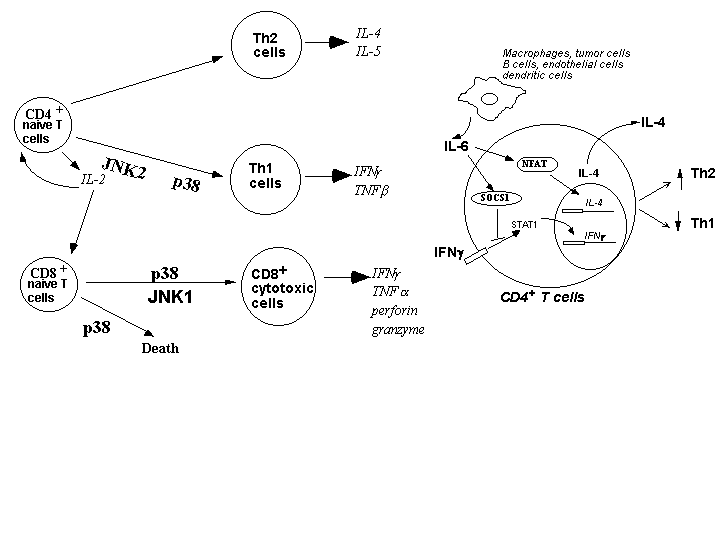
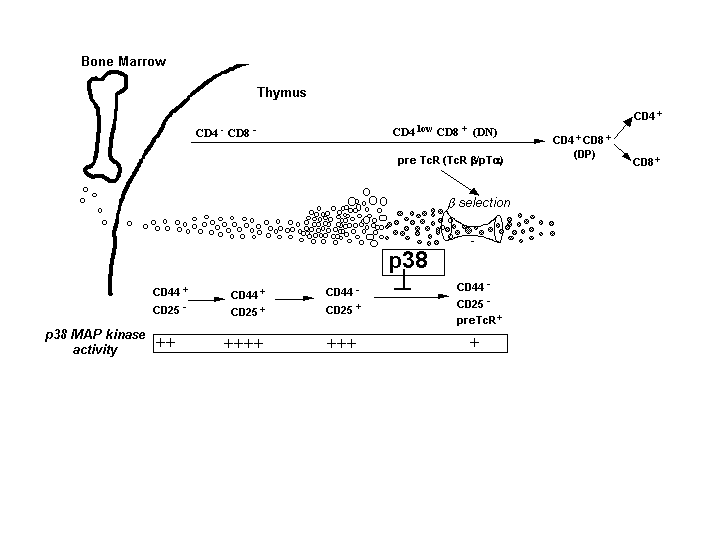
Research InterestOur laboratory studies the molecular mechanisms involved in the a) generation of T cells in the thymus, b) activation of CD4+ and CD8+ T cells, c) differentiation of naïve CD4 + T cells into effector and memory Th1 and Th2 cells, d) differentiation of CD8+ T cells into effector cytotoxic cells, and e) death of CD4 + and CD8 + T cells. A primary focus is the role of JNK and p38 MAP kinase signaling pathways in these processes. Several genetically manipulated mouse models have been already generated in our group and new models will be generated in a near future to address these questions. Microarray analysis has been recently done to identify new targets of these kinases in T cells. Another primary focus of our group is the regulation and function of NFAT transcription factors during fetal thymocyte development and differentiation of CD4+ T cells in the peripheral immune system. New transgenic mouse models have been recently generated to examine the role of these transcription factors during the immune response. A third main project corresponds to the role of IL-6 in the differentiation of CD4+ T cells into effector Th1 and Th2 cells. We are studying the specific molecular mechanism by which this cytokine inhibits Th1 and promotes Th2 differentiation using different signaling pathways (e.g. JAK/STAT). Moreover, we are studying how IL-6 secreted by non-lymphoid cells can modulate the direction of an immune response and the progression of diseases. Finally, we have recently shown that IL-6 produced by breast tumor cells can confer drug resistance to these cells. We are currently performing translational research studies in collaboration with physicians from the Vermont Cancer Center to examine a potential correlation of IL-6 and drug resistance in breast and ovarian cancer patients. |