| Evaluation Tools Menu |  | Main Menu |
| Evaluation Tools Menu | | Main Menu |
 |
 |
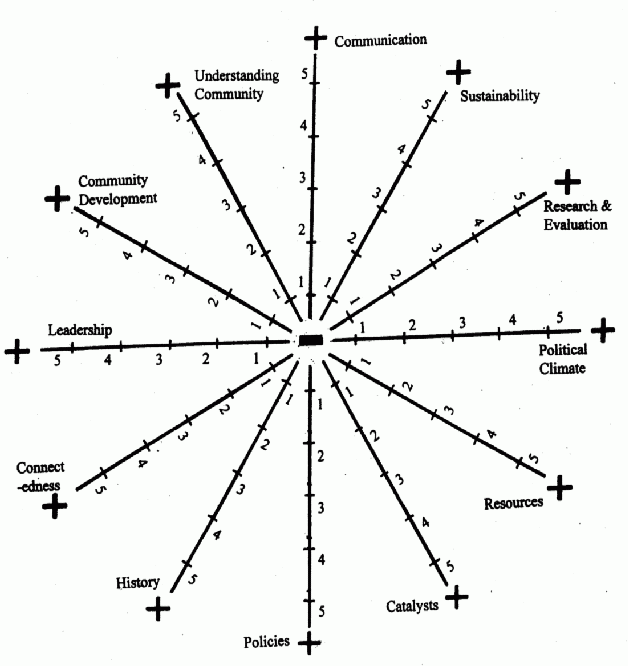
Each of the following areas influences the collaborative process. Each area is part of the
collaborative process. After reading a brief description for each of the areas place an X on the
Number on the Spider Web Handout that best reflects your opinion of how your collaboration
is functioning in each of the areas using the following scale: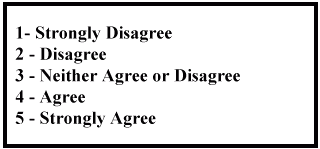 Description of the Areas: Communication - the collaboration has open and clear communication. There is an established process for communication between meetings. Common language is used by all those participating in the collaboration. Sustainability - the collaboration has a plan for continued focus on the desired outcomes, sustaining membership, and resources. This involves membership guidelines relating to terms of office and replacement of members. Research and Evaluation - the collaboration has focused on it’s outcomes, identified impacts, and conducted a needs assessment to establish its goals. Additionally, data is continually collected to establish that goals have been met. Political Climate - the history and environment surrounding leadership, power, and decision making is positive. Political climate may be within the community as a whole, systems within the community or networks of people. Resources - the collaboration has access to needed resources. Resources refer to four types of capital: environmental, in-kind, financial, and human. Catalysts - the collaboration was started because of an existing situation or crisis. A comprehensive approach was required to effectively address the situation or crisis. Policies/Laws/Regulations - the collaboration has changed policies, laws, and/or regulations that allow the collaboration to function effectively and efficiently. History - the community has a history of working cooperatively and solving problems. Connectedness - members of this collaboration are connected and have established informal and formal communication network at all levels. Leadership - the leadership facilitates and supports team building, and capitalizes upon diversity and individual, group and organizational strengths Community Development - this community is mobilized to address important issues. There is a communication system and formal information channels that permit the exploration of issues, goals and objectives. Understanding Community - the collaboration understands the community, including its people, cultures, values, habits, and traditions |

| Evaluation Tools Menu | | Main Menu |
| Evaluation Tools Menu | | Main Menu |