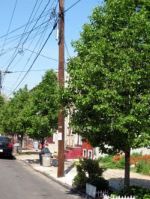
Resource Links
Click here
for information about urban and community
forestry, organizations and initiatives that are operating in
the field in the United States, and how urban and community forests are
connected to energy and global climate issues. Examples of
resources include:
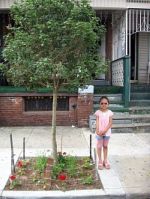
Case Studies
Click here
to see specific case studies on urban forestry groups that have engaged
in a voluntary carbon market project. These case studies
include projec details, market chain analyses, participant
perspectives, and identify barriers and opportunities for replicated
projects.
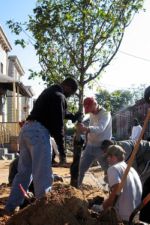
Products
Click here
to explore products developed by our research team and activities in
which we have participated in order to better understand the role of
urban and community forestry in carbon markets.
Carbon & Urban Forests
Click here for specific information about how urban trees are related to carbon cycling, how urban environments are connected to global climate change, and how voluntary carbon markets intersect with urban and community forests.