We are a research lab at the University of Vermont, proud to be part of the Electrical and Biomedical Engineering Department. We seek new students and study volunteers to help us grow.
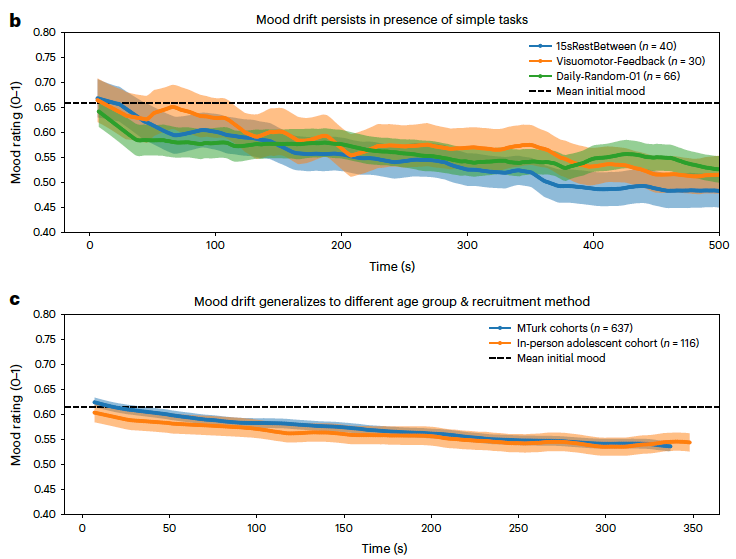
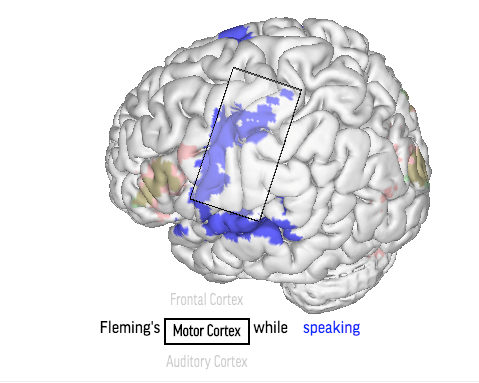
Our mission is to break human neuroimaging out of the lab using new technology and machine learning. By understanding the brain as it operates in real life, we can pave the way for devices that detect problematic brain states in real-time and provide help or support, a sort of pacemaker for the brain.
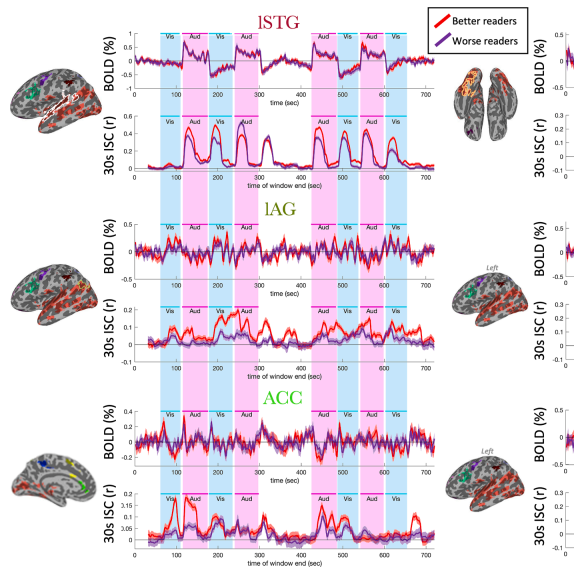
We can decode brain & eye signals observed while someone is reading to predict how well they'll do on a later comprehension quiz. Can we do it real-time and intervene to help?
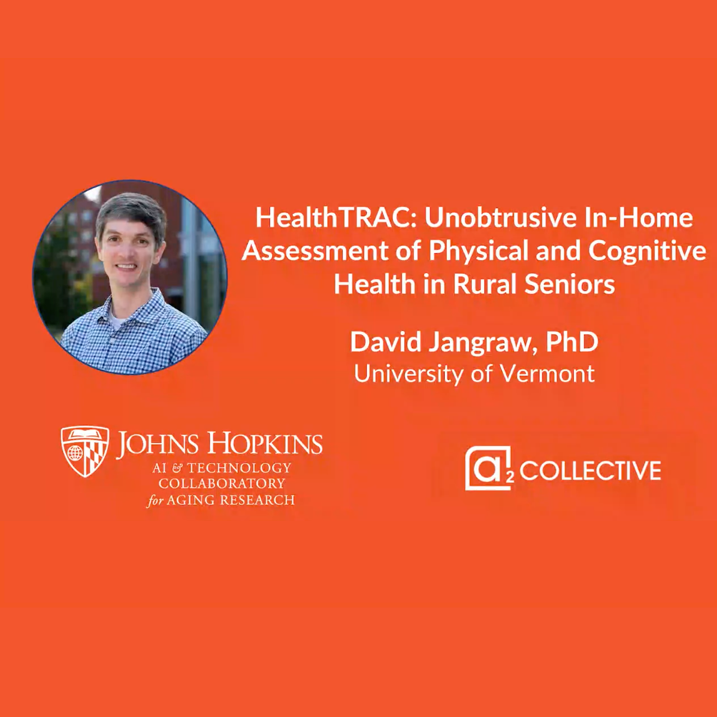
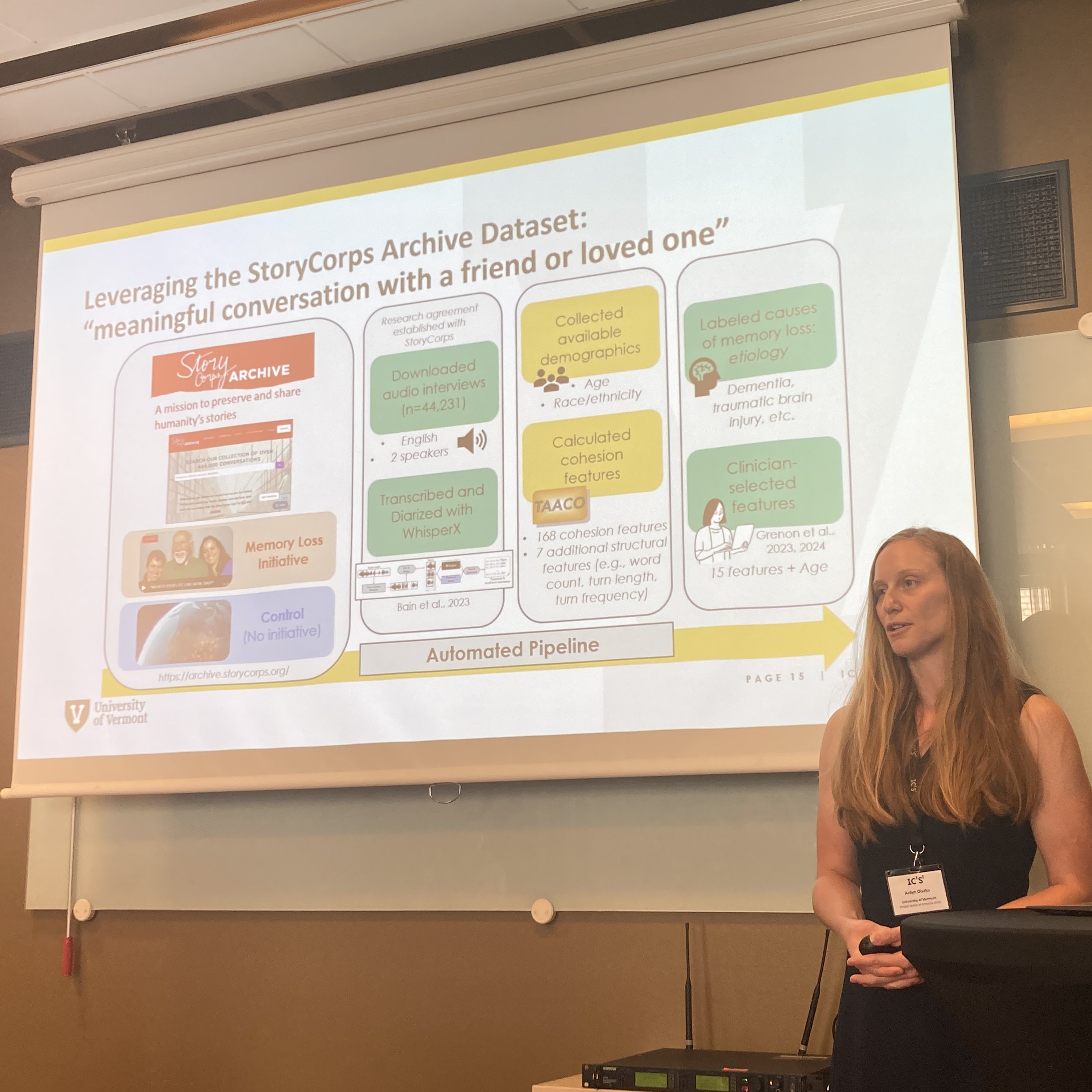
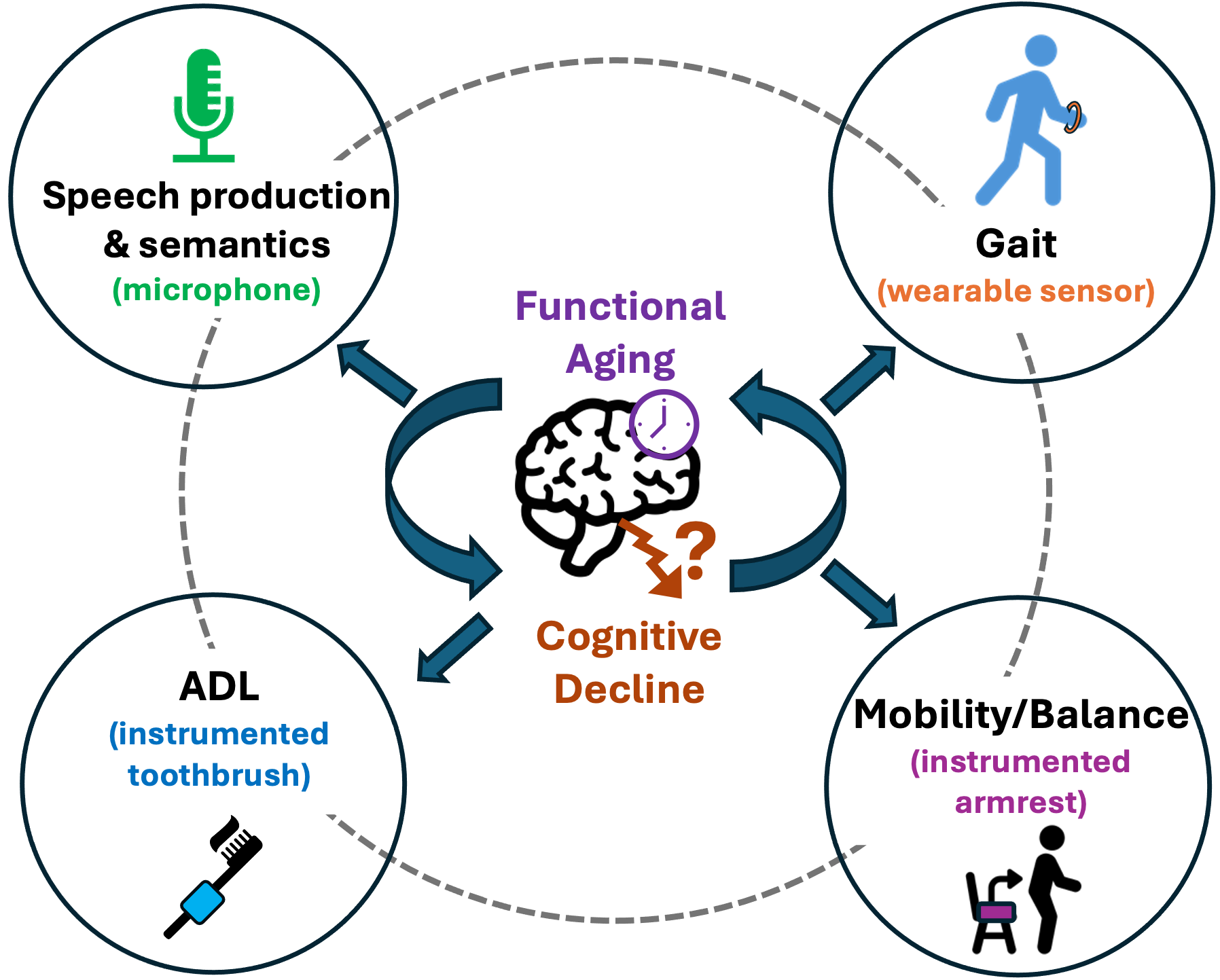
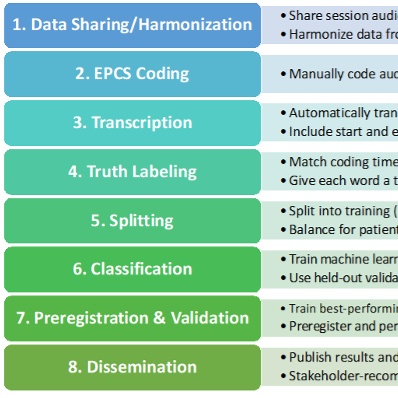
The way you speak can tell us about how you think. We show how elements of conversation change as you age or develop memory loss disorders, and we observe them in the home.
Exposure Therapy is the standard for treating anxious kids. To find out which elements help, we're training a deep learning system to detect therapist techniques.
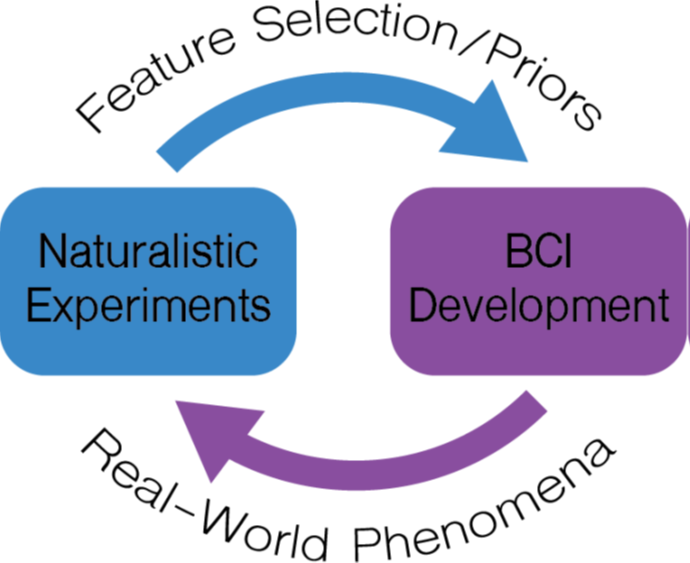
We develop new experiments, with a focus on narratives like movies and reading, that mimic real life while maintaining tight control and synchronizing data streams.
As engineers, we are well positioned to apply new technologies like mobile EEG, virtual reality, and natural language processing to impactful neuroscience questions.
Increasing naturalism means allowing more artifacts. We use machine learning and environmental context to cut through the noise.
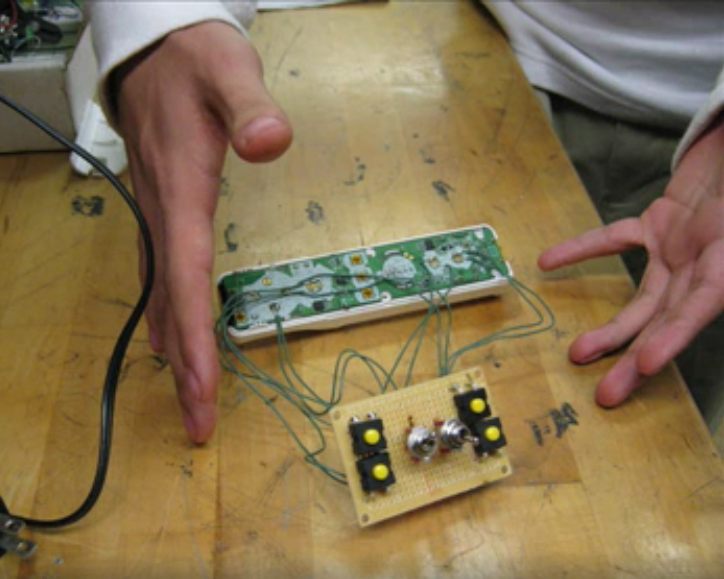
We bring an engineering mindset to neuroscience. This (1) lets us learn about the human brain in ways that other labs can't, and (2) drives us to build things to address the problems we see.
Learn fMRI, mobile EEG, machine learning, natural language processing, gaze tracking, and mobile monitoring. By staying on top of tech, we can understand which neuroscience questions are newly possible to answer.
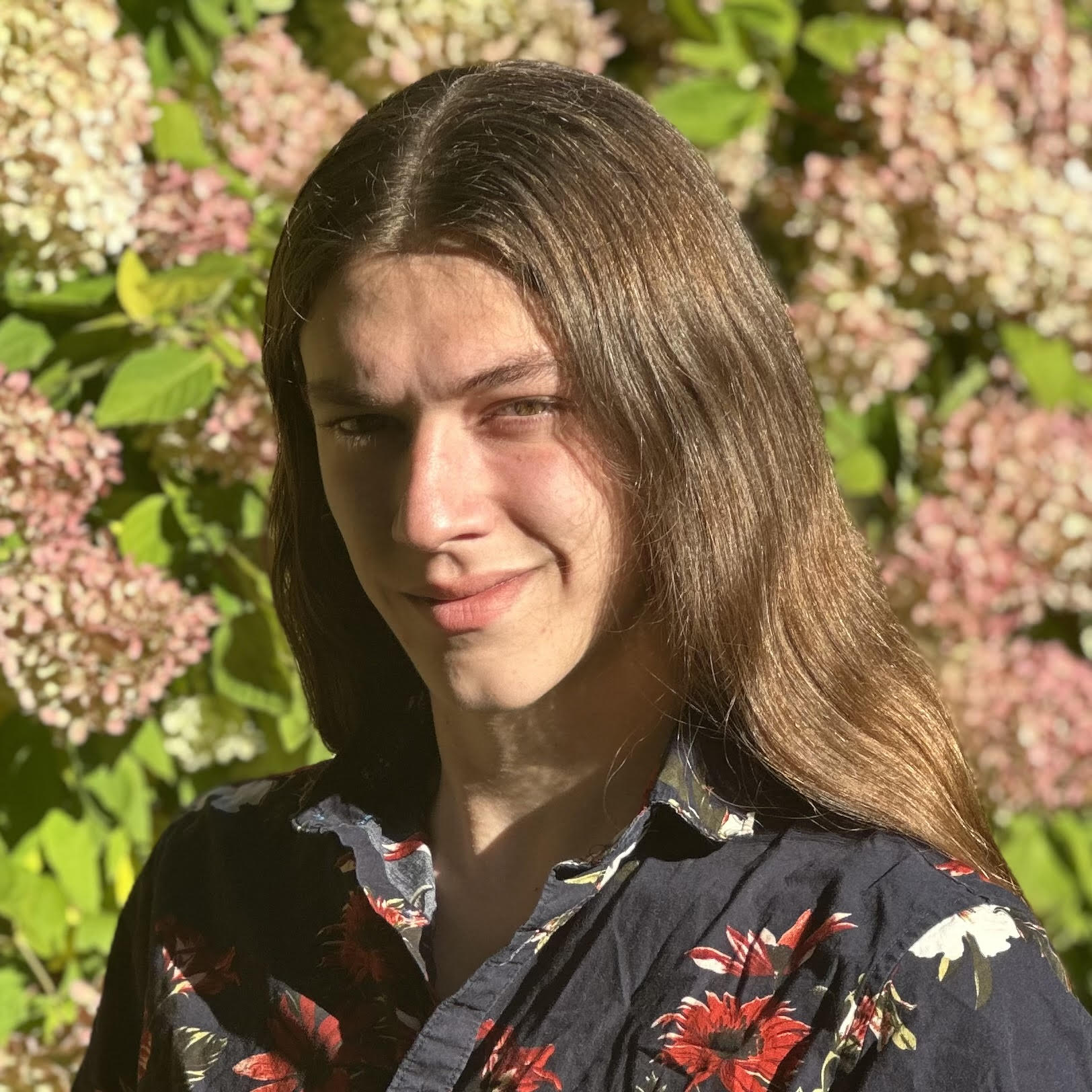
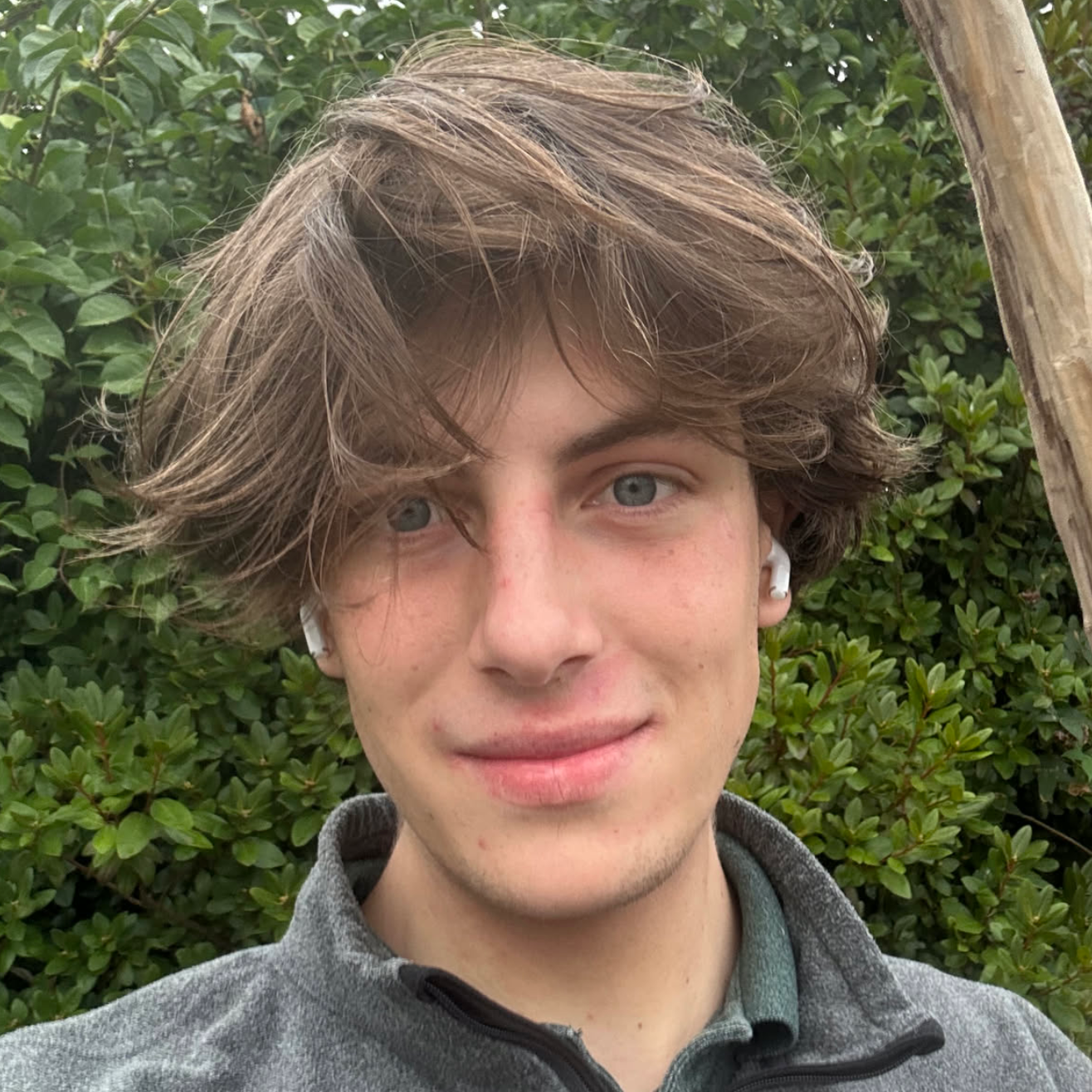
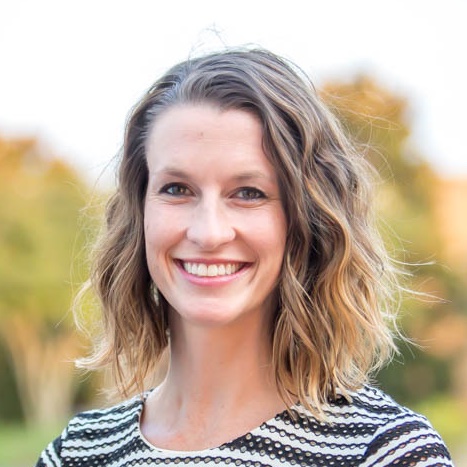
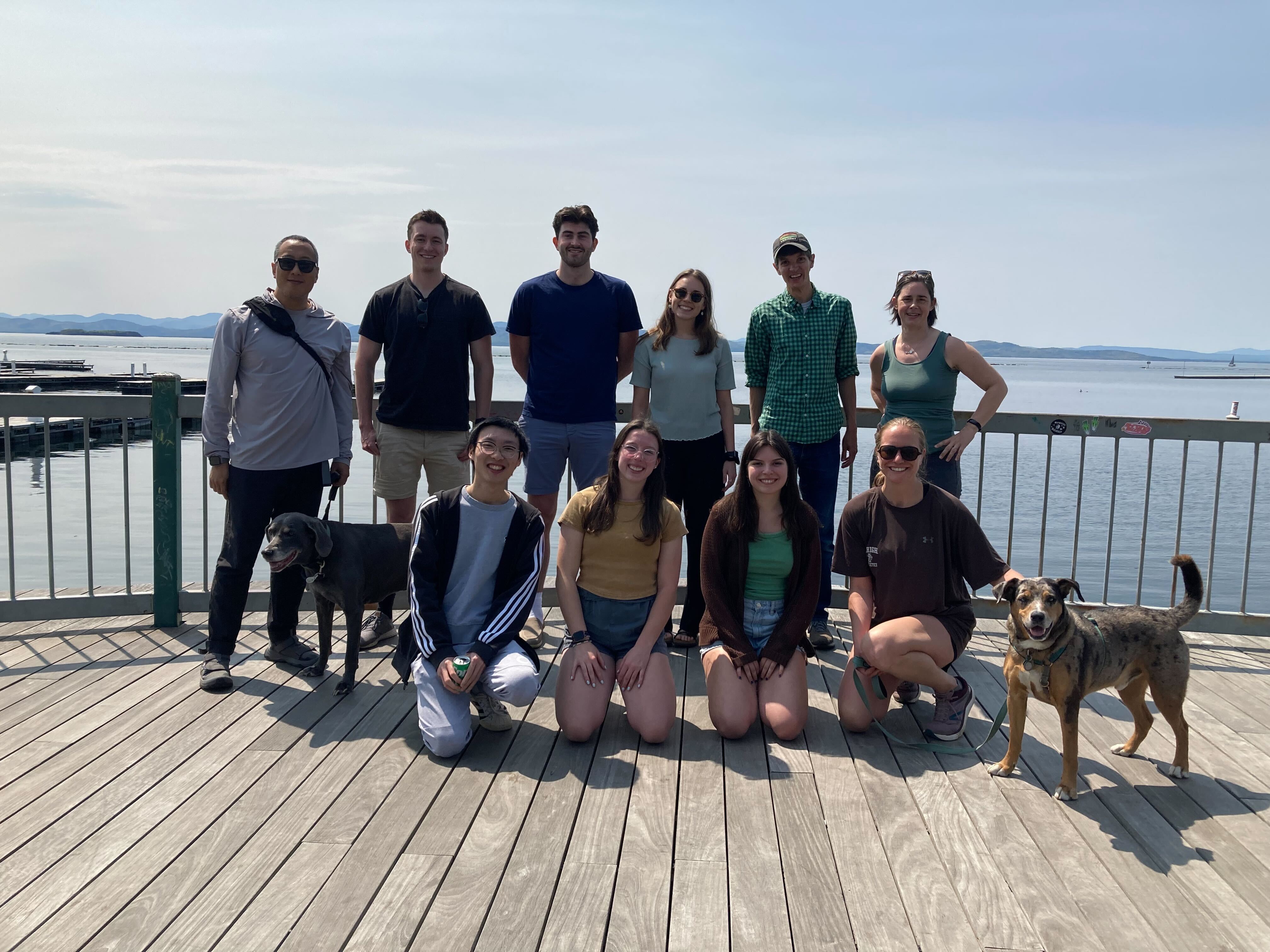
We're a young lab, but we already have a great team. Ties to UVM's med school, neuro program, and complex systems center will keep you supported. Collaborations with the NIH, U Chicago, and Brown will grow your career network.
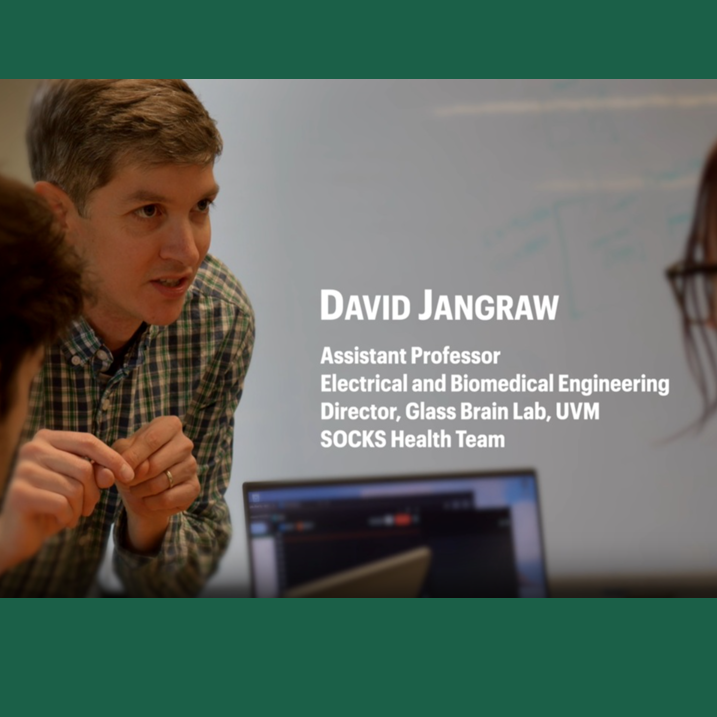
Dr. Jangraw received a BSE in EE from Princeton and a PhD in BME from Columbia. He then served at the NIH for 6 years. He has studied brain-computer interfaces, fMRI methods, and pediatric mood disorders.
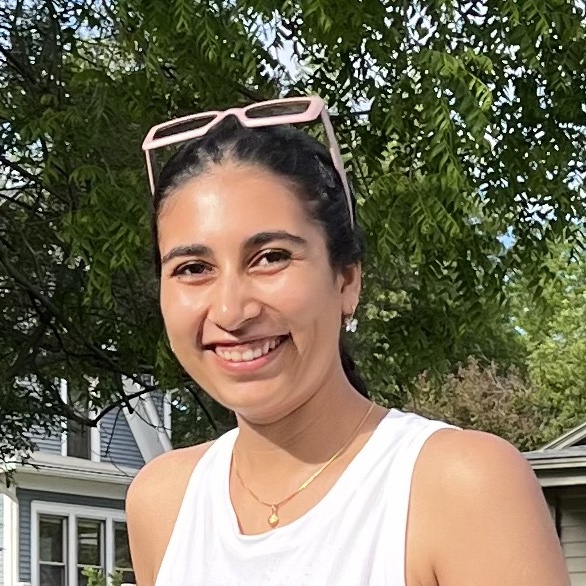
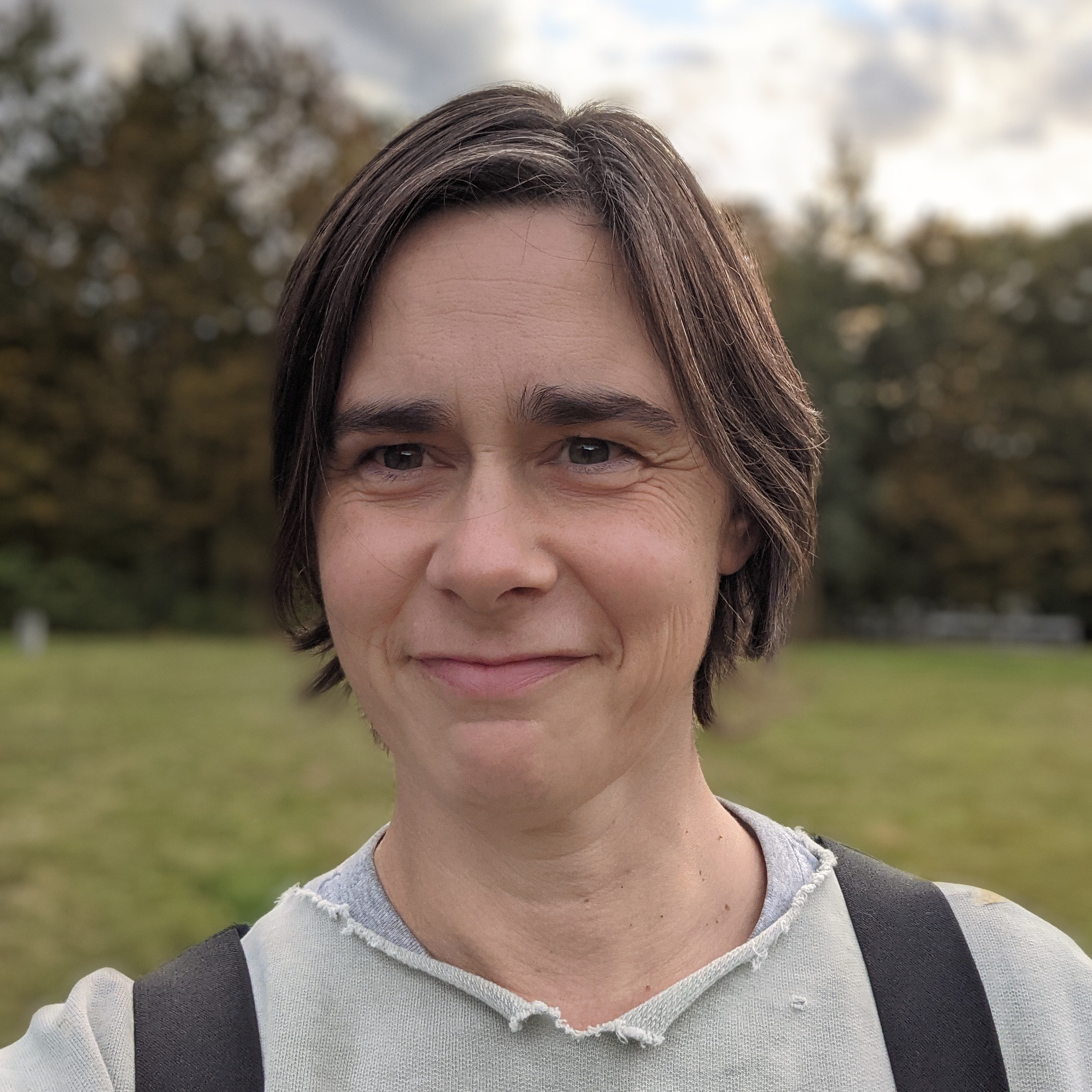
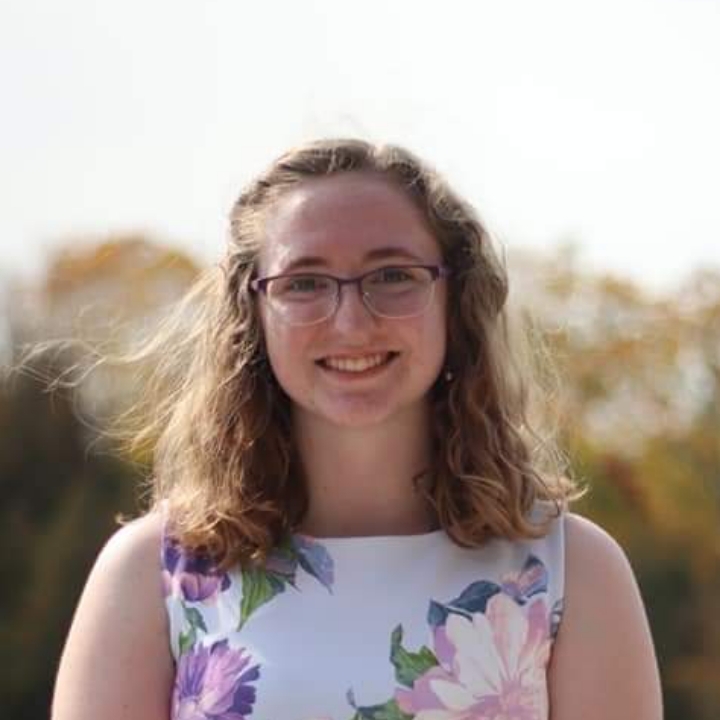
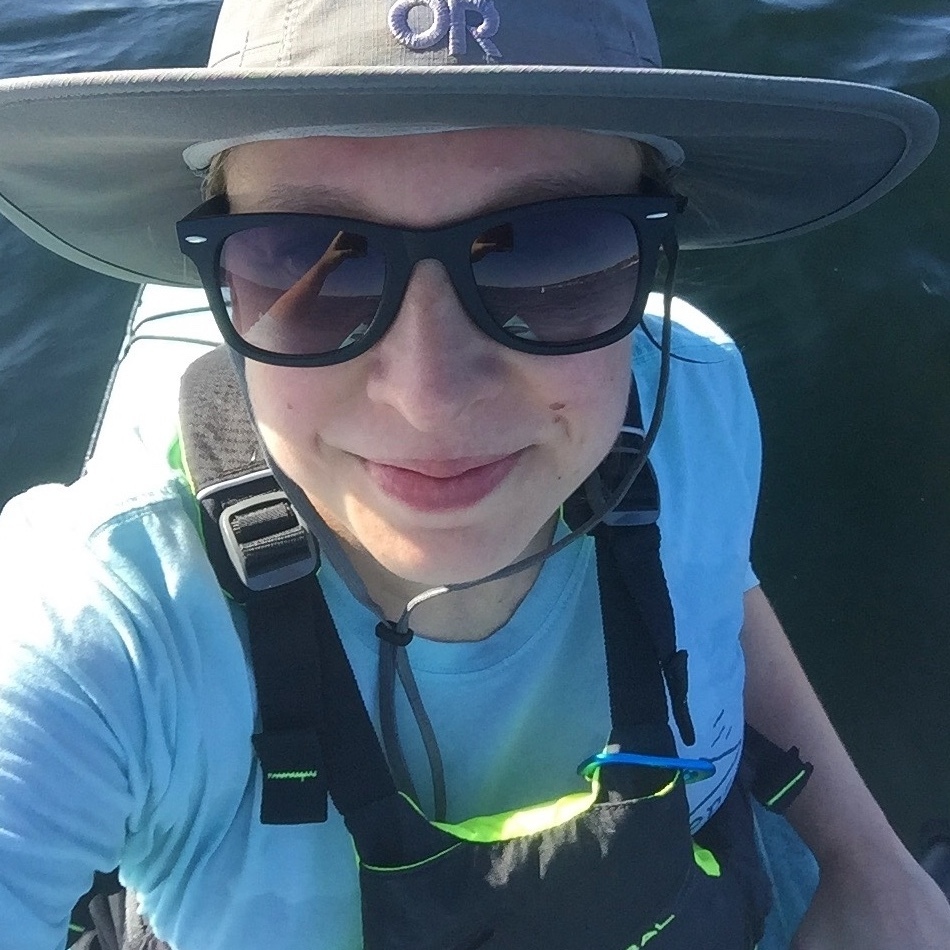
Ardyn received a BS from Lehigh and an MS in BME from Carnegie Mellon. Working at the US Army Aeromedical Research Lab for 8 years developed her interest in working with large and multi-faceted biomedical datasets. Ardyn is now pursuing a PhD in BME.
Niharika holds a BS in BME from NJIT and has worked as an Eng. Consultant in pharma companies. She then completed an MS in Data Science at NJIT. Now she plans to combine her knowledge in both fields to explore the brain.
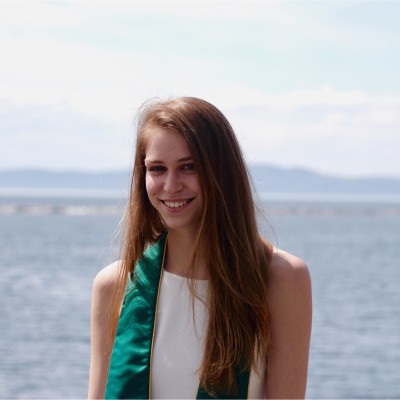
Katie is a Speech and Language Pathologist pursing her PhD in the Interprofessional Health Sciences program. Her driving interest is understanding and describing the conversational behaviors that support satisfying communication.
Caitlin received her BS in neuroscience from UVM. She has experience in fMRI, psychological data collection, and qualitative research identifying barriers to healthcare for Vermont’s autistic population. She is now working towards her PhD in neuroscience.
Kirsten received her BS in Physics from UVM and MS/PhD in Astronomy from SMU in Canada. Her work has included X-ray spectroscopy, SIGINT algorithm development, and software development & database management.
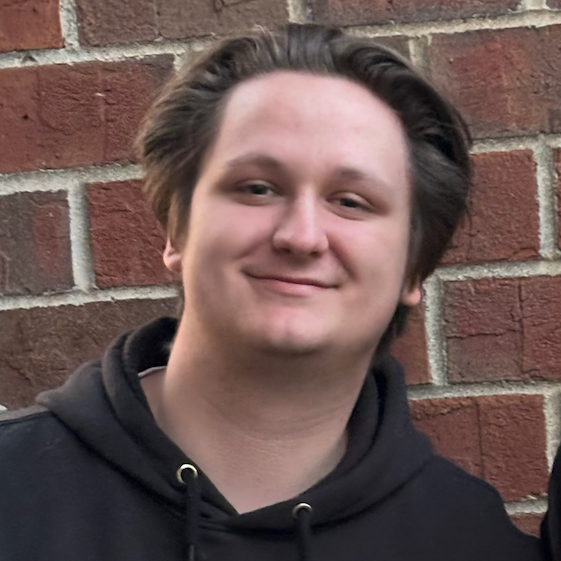
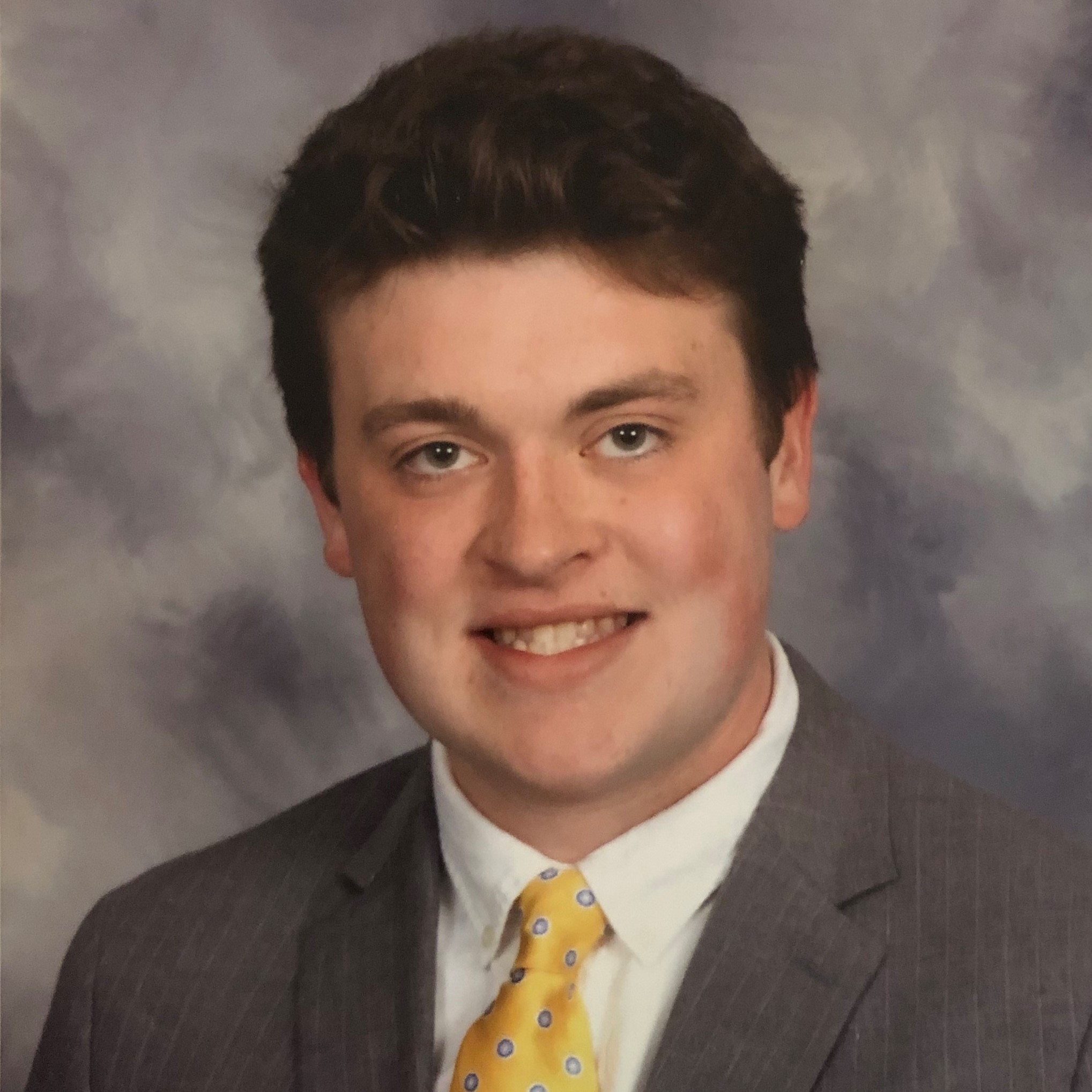
Hazen is a sophomore pursuing a Biomedical Engineering and Neuroscience double major. He is interested in exploring alternatives to pharmacological treatments for mental disorders through neuro-engineering.
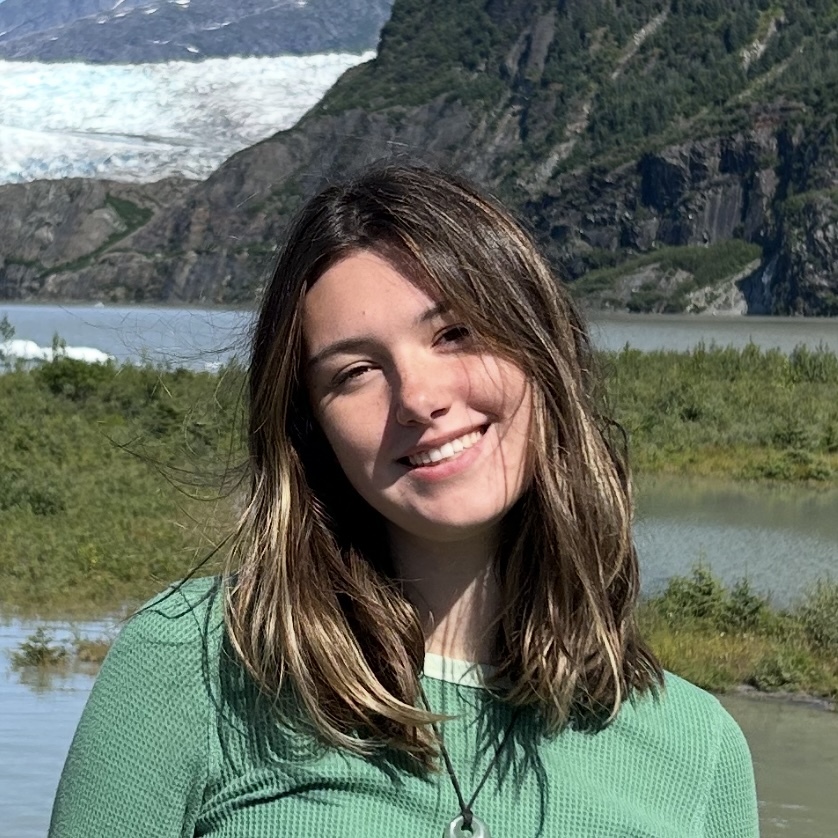
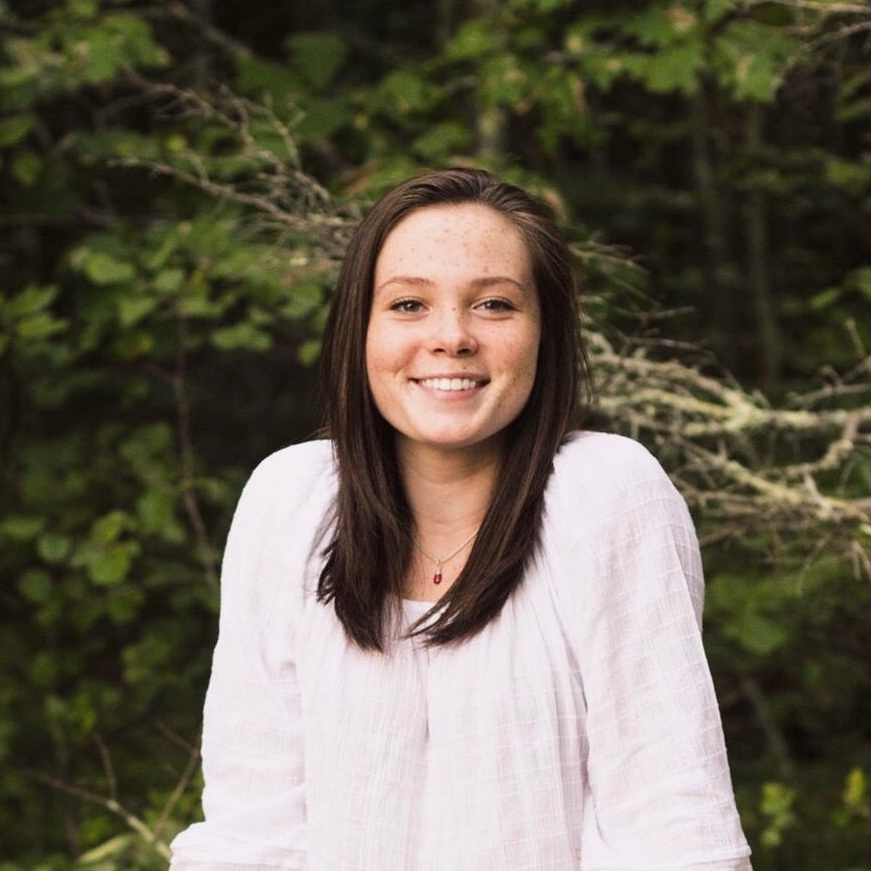
Freddie is a Sophomore Communication Sciences and Disorders and Linguistics double major. She is interested in the connection between language and the brain, specifically the study of memory in language acquisition and loss.
MS in Speech-Language Pathology, PhD in Interprofessional Health Sciences
BA in Computer Science with a Neuroscience concentration
Biomedical Engineering major, Electrical Engineering minor, MS in Computer Science
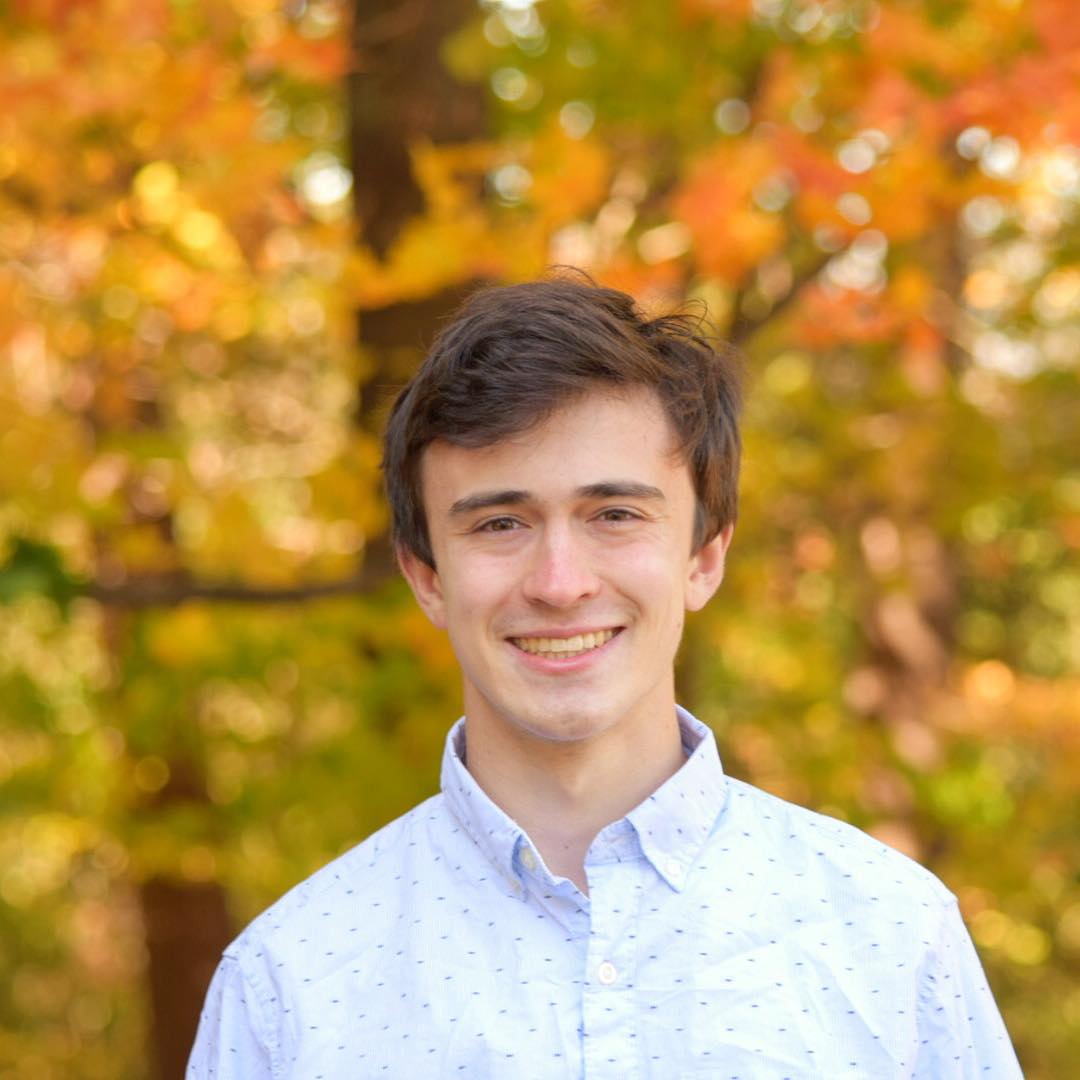
Biomedical Engineering major/MS, double minor in Neuroscience and Computer Science