Submission information
Roy Mountain WMA, SAP-Ne Demonstration Site (Barnet, VT)
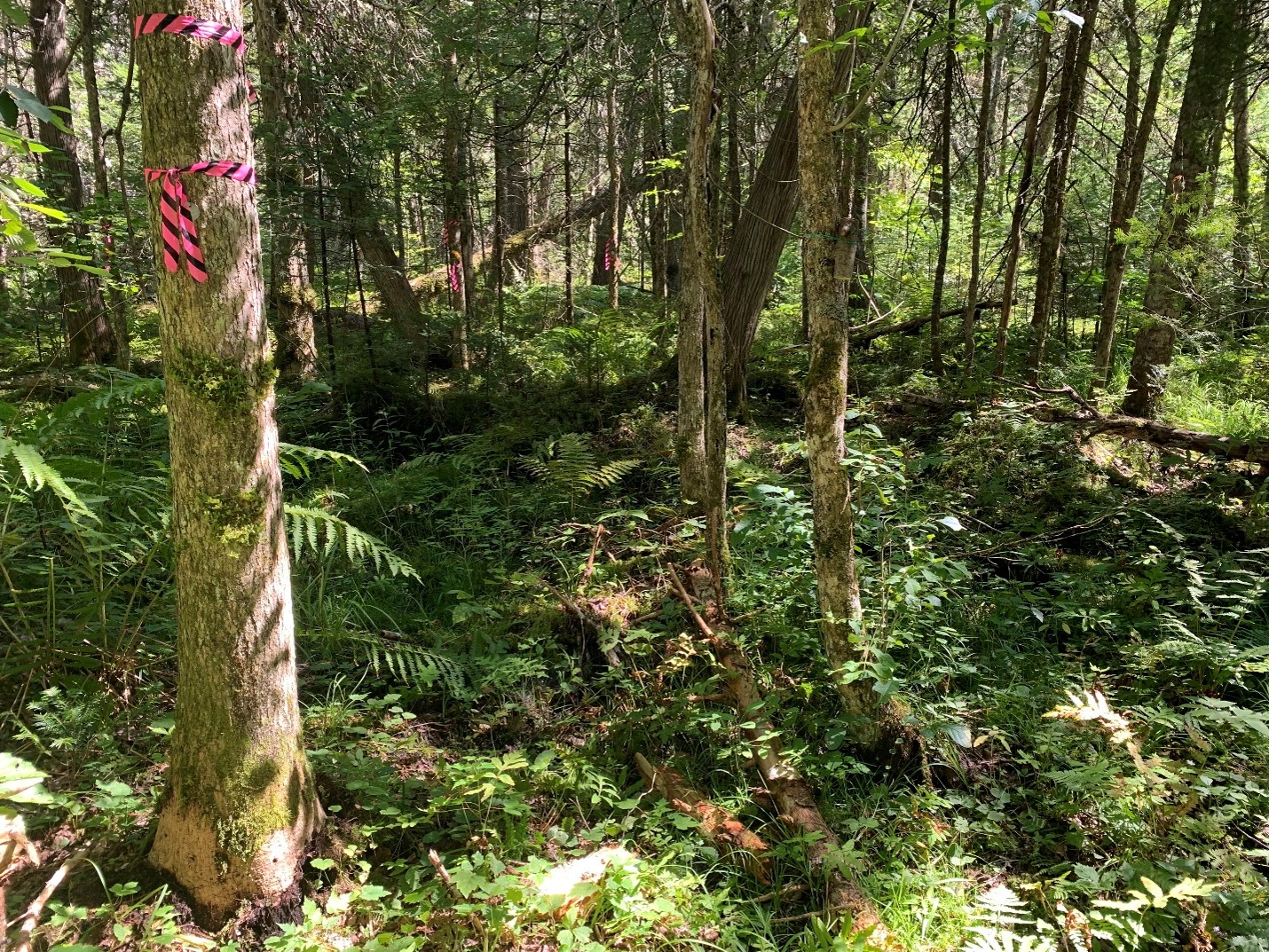
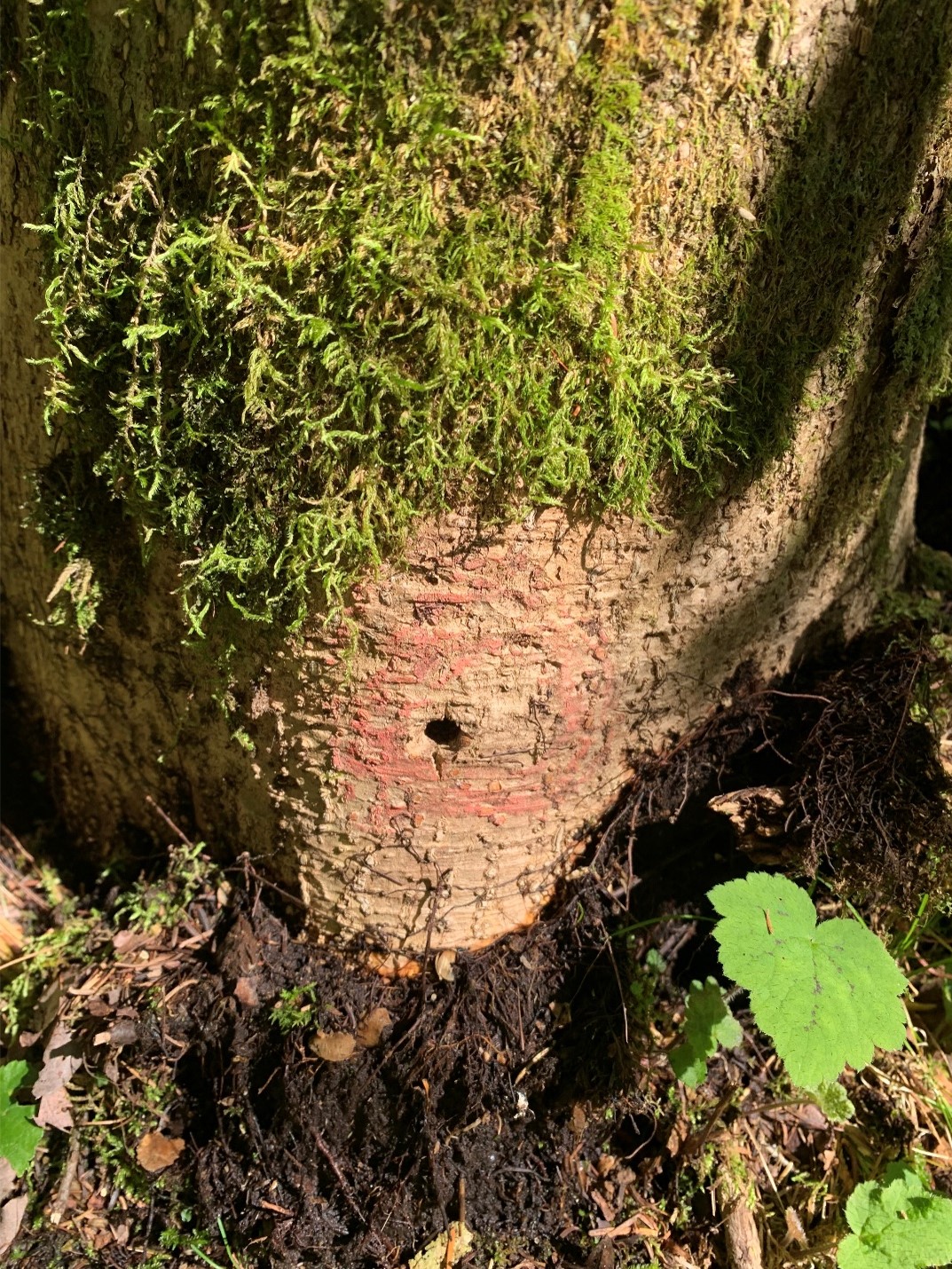
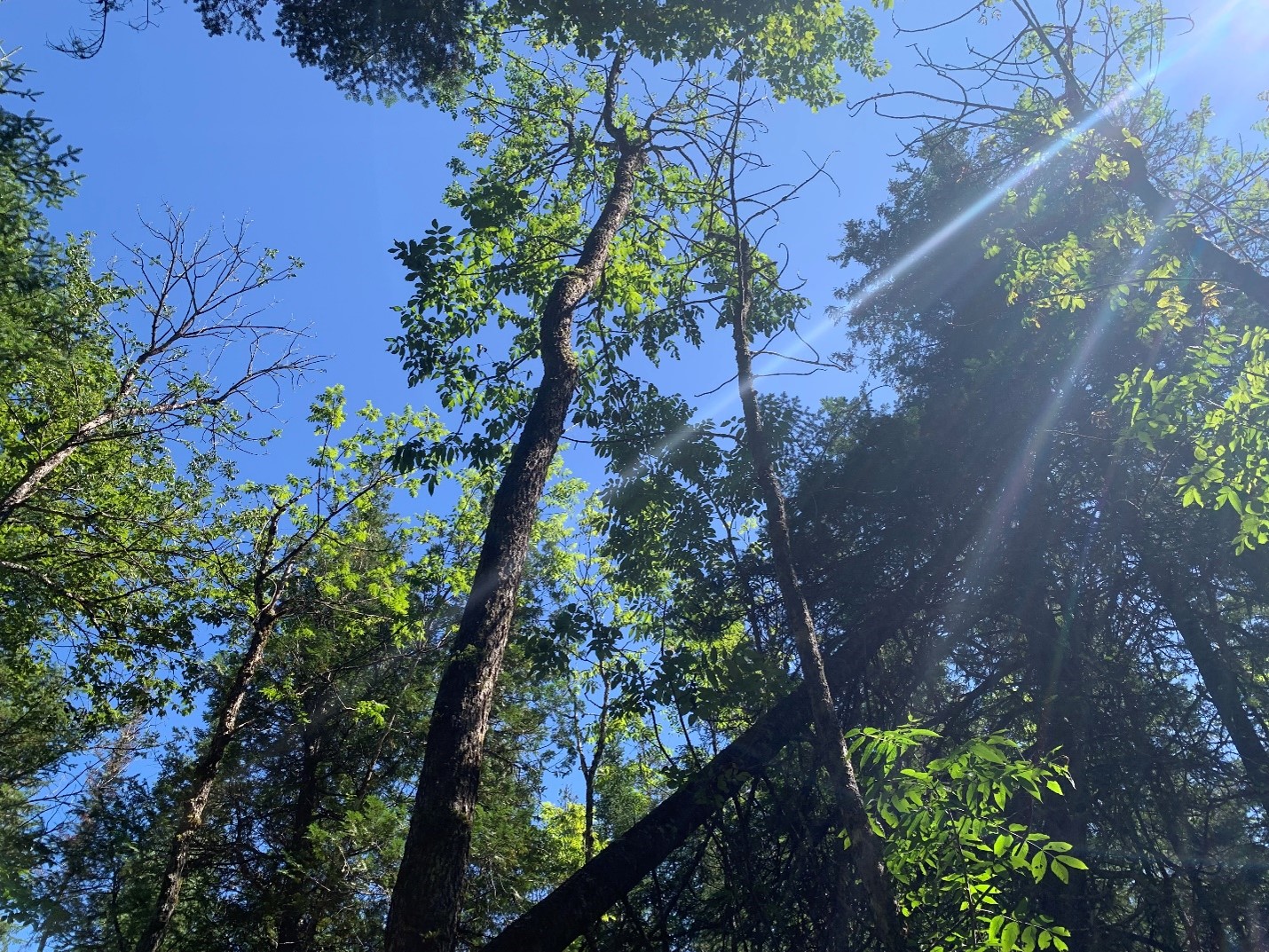
The Vermont Department of Forests, Parks, and Recreation observed black ash within the site were becoming infested with EAB. Parasitoid releases began in 2025 and continued into 2026. Injections of emamectin benzoate were conducted in 2026 on black ash (male and female) at the site. Both treatments occurred to maintain ash on the landscape at this important WMA. Injected trees will be monitored for canopy health annually and will be re-treated as needed.
Site Location
Barnet, Vermont
Wildlife management area (state-owned) in Northeastern part of Vermont; near Connecticut River.
44.280025
-72.141205
Take exit 18 for Barnet off Interstate 91. Go west on West Barnet Road for 2.7 miles. Then turn left onto Roy Mountain Road for 2.9 miles and then turn left onto Jewett Brook Road.
Site accessible by foot and by vehicle
State of Vermont – Fish and Wildlife Department
+1 802-878-1564
Stand Information
4 acres
Northern white cedar swamp
emerald ash borer
emerald ash borer
Pre-treatment Conditions
Emerald ash borer
Silviculture Prescription
Black ash species impacted by EAB. In an effort to keep black ash on the landscape, a total of 12 biocontrol releases occurred between 2025-2026, and 15 ash trees were injected with emamectin benzoate (4%) in 2026. Treated trees will be monitored annually and re-treated when appropriate. Establishment of biocontrol parasitoids will be assessed starting in 2027.
Trying to keep ash on the site.
Trying to keep ash on the site.
Management objectives are to maintain genetic diversity and to slow the decline and mortality of the black ash on site. Dominant and codominant trees with no more than 30% dieback will be targeted for insecticide treatments. Insecticide treatments will be done using Tree-age G4 emamectin benzoate (4%) insecticide. An ideal ratio of 1:3 male to female trees will be treated to maintain seed production and regeneration on site.
- forest health
- species or ecosystem restoration
- invasive species
ArborJet Quik-Air injection system and plugs
Tree-Age G4 (4% emamectin benzoate)
Power drill
Injections – measured DBH to inject correct amount, drilled corresponding number of holes on or near root flares, installed plugs, injected insecticide.
Post-treatment
yes
Miscellaneous
Will follow up with more treatments in 2029
Statistics
Contact Information
Josh Halman
VT Dept. of Forests, Parks and Recreation
Supplementary Content