Submission information
South Central Connecticut Regional Water Authority: Maltby Lakes Southern Pine Beetle Response
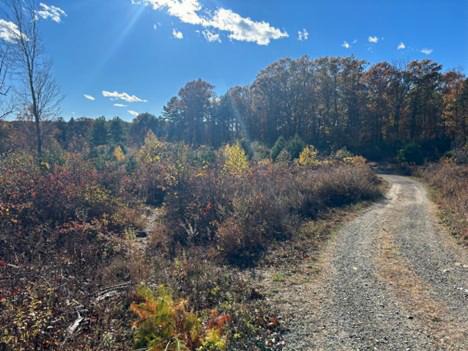
This stand was infested by the southern pine beetle, a bark beetle that is native to the southeastern U.S. and has been moving northward in response to warmer conditions. The beetle was first found in Connecticut in 2015, and it is raising concerns because populations that are allowed to grow unchecked can lead to large-scale outbreaks that can kill both stressed and healthy trees. As a result, this forest was clearcut during the summer of 2016 to reduce the threat of southern pine beetle on nearby forests. The infestation has been controlled, and a new forest is being fostered.
Site Location
West Haven, Connecticut
This adaptation demonstration focuses on a 24-acre area near the Maltby Lake Recreation Area that was damaged by southern pine beetle and recent blowdowns.
41.30655
-72.9767
On foot, with recreation permit pass from South Central CT Regional Water Authority.
South Central CT Regional Water Authority.
Stand Information
Spruce- white pine
southern pine beetle
Pre-treatment Conditions
Silviculture Prescription
Until recently, this area was dominated by large Norway spruce and white pine trees that were planted as early as 1902, but a recent infestation of the southern pine beetle is resulting in management to change forest conditions. The salvage harvest that was performed in 2016 provides an opportunity to alter the forest in ways that will make it better able to withstand a variety of stressors, including forest pests and climate change. Climate-smart plant species have been planted in areas where native regeneration is lacking in an effort to grow a more resilient forest.
-Remove infested material from site to eradicate Southern pine beetle population. -Allow time for native regeneration to fill space. -Plant climate smart species supplementarily where native regeneration hasn’t established. -Monitor for signs of new Southern pine beetle infestation.
Landowner objectives include improving water quality, providing wildlife habitat and recreational opportunities, and producing merchantable timber.
- forest health
- invasive species
- climate change
Read more about climate adaptation considerations for this project in the link below to the Climate Change Response Framework webpage.
Post-treatment
Miscellaneous
Statistics
Contact Information
Joshua Tracy
Forest II
South Central CT Regional Water Authority