Submission information
New York Botanical Gardens Cultivated Area, SAP-Ne Demonstration Site (Bronx, NY)
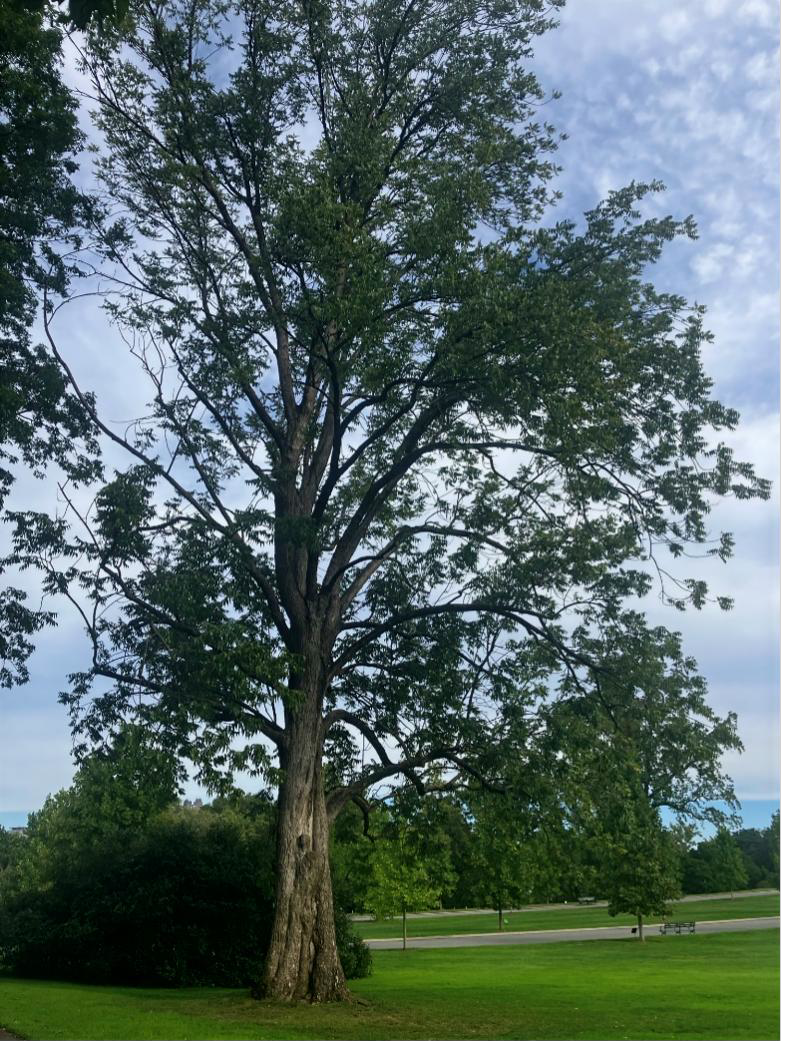
New York Botanical Garden’s cultivated arboretum and gardens include valuable mature ash specimens of various species. NYBG has invested in treating mature ash specimens across its cultivated landscape to support its horticultural, ecological, scientific and educational work. Forest stewardship practices at this site are supported in part by the Sustaining Ash Partners Network (SAP-Ne), through a demonstration site network showcasing effective approaches for preserving future generations of ash in the face of emerald ash borer.
Site Location
Bronx, New York
This site includes the cultivated areas of the New York Botanical Garden.
40.865614
-73.990031
The New York Botanical Garden is located at 2900 Southern Blvd in the Bronx. From its main gate it is easy to access the cultivated landscape.
The Garden is accessible by vehicle- parking is at the main entrance. The cultivated landscape is accessible by foot.
New York Botanical Garden
+1 718-817-8700
Stand Information
150 acres
Ash
emerald ash borer
emerald ash borer
Pre-treatment Conditions
The New York Botanical Garden was founded in 1891. This site is a cultivated landscape that includes gardens and an arboretum. Many existing mature trees were retained as the Garden was developed. Ash management has been ongoing since before the grant period.
This case study is for a cultivated arboretum and grounds of a botanical institution. Staff manage a variety of plant healthcare issues related to cultivated trees and plants.
Silviculture Prescription
New York Botanical Garden’s cultivated arboretum and gardens include valuable mature ash specimens of various species. NYBG has invested in treating mature ash specimens across its cultivated landscape to support its horticultural, ecological, scientific and educational work. Regionally native ash that are being treated across the landscape include white ash (Fraxinus americana), which is naturally occurring at the Garden, and blue ash (Fraxinus quadrangulata), which is native to the Midwest. The Garden plans to retain these important trees on the landscape over the long term by continuing treatments in the future if necessary.
As the ash are being treated in the cultivated landscape of a botanical garden, the main objective is to retain these valuable trees in the collection and prevent their loss from emerald ash borer infestation. These trees are important for the larger horticultural, educational, scientific and ecological goals of the institution.
The primary objective of this specific project is to preserve mature ash specimens in the cultivated landscape to support the Gardens ecological, scientific, educational and horticultural work.
This site is a cultivated landscape that encompasses an arboretum and gardens. For this SAP-NE project, 6 mature ash specimens will be treated to protect them from emerald ash borer impacts.
- forest health
Staff followed pesticide label instructions for chemical treatments.
Chemical treatments have allowed us to preserve mature ash across the Garden landscape.
Post-treatment
yes
Miscellaneous
There is a plan for long-term treatment of mature ash at the Garden to retain these trees on the landscape. Biocontrol are also being considered.
Statistics
Contact Information
John Zeiger
Manager of the Thain Family Forest
New York Botanical Garden
Bronx, New York. 10458
Supplementary Content
