Submission information
Maine Audubon Ash tree project
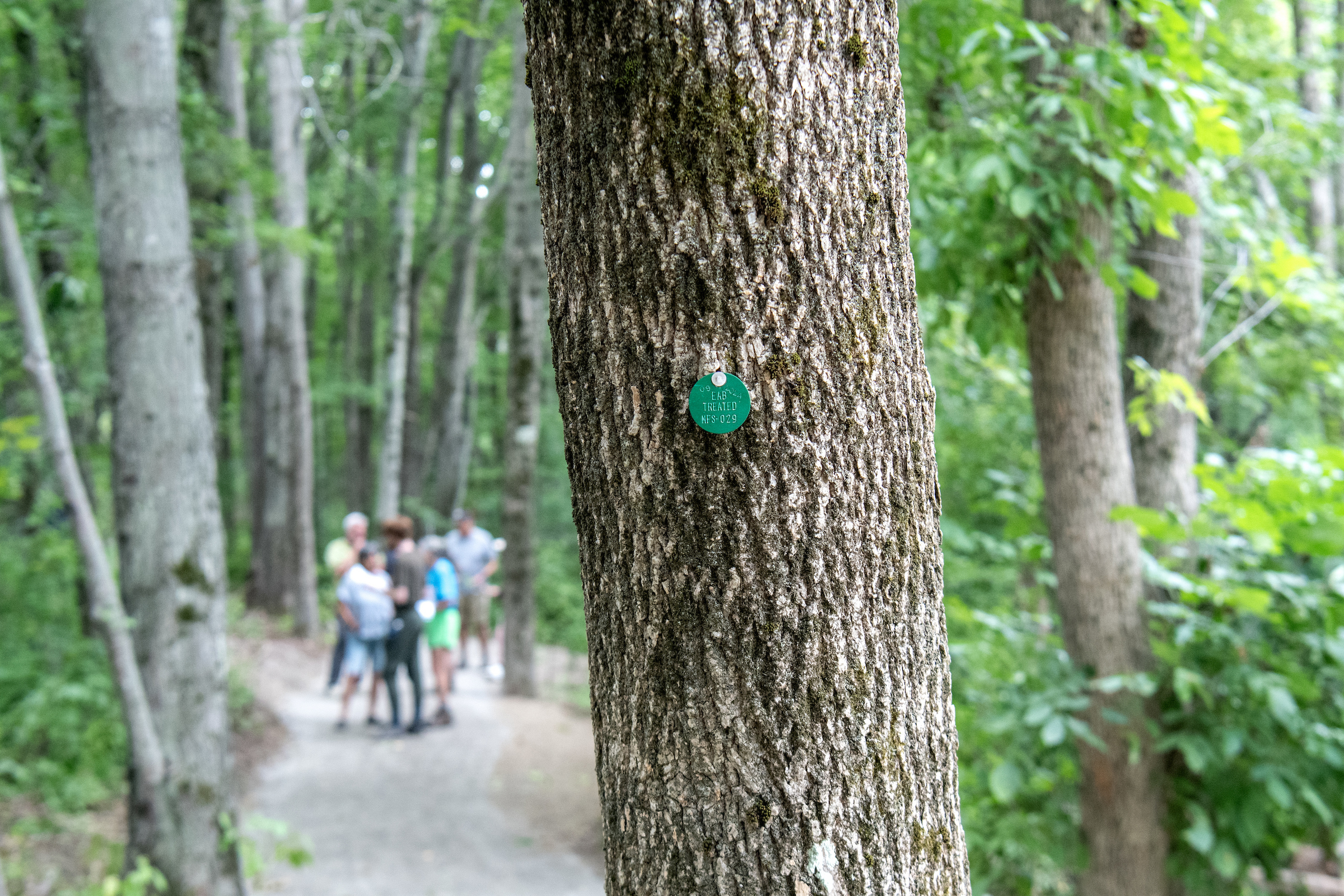
The Maine Audubon Ash tree project at Gilsland Farm in Falmouth, Maine had two main goals: to preserve the existing White and Green Ash stand and to reduce risk by removing declining Ash. We treated 15 with an injected systemic insecticide, emamectin benzoate (G4 formula) and removed 10-15 dead or declining ash trees that posed risks. We plan to continue to monitor and treat the ash trees as needed. Forest stewardship practices at this site are supported in part by the Sustaining Ash Partners Network (SAP-Ne), through a demonstration site network showcasing effective approaches for preserving future generations of ash in the face of emerald ash borer.
Site Location
Falmouth, Maine
Maine Audubon’s Gilsland Farm is a former saltwater marsh farm bordering Casco Bay and the Presumpscot River estuary. The sanctuary contains 65 acres of meadows and woodland featuring a variety of coastal habitats.
43.704167
-70.238333
Gilsland Farm Audubon Center is located at 20 Gilsland Farm Road off Route 1 in Falmouth Maine approximately 2 miles north of Portland.
The Maine Audubon Ash tree project site is located a short walk down a trail Southwest of the main gravel parking lot.
Maine Audubon
+1 207-781-2330
Stand Information
1.41 acres
Northern Hardwoods
Mid-successional
emerald ash borer
emerald ash borer
AdB - Adams loamy sand & Sc - Scantic silt loam.
1930s
Stand demonstrates early successional tree growth consisting of now mature White Birch and Red Oak originating after pasture land abandonment with younger Ash and Red Maple.
Pre-treatment Conditions
The site likely transitioned from farm land to forested land resulting in current stand composition in the early 20th century.
The Ash stand project at Gilsland Farm showed rapid decline from 2024 to 2026 due to EAB.
Silviculture Prescription
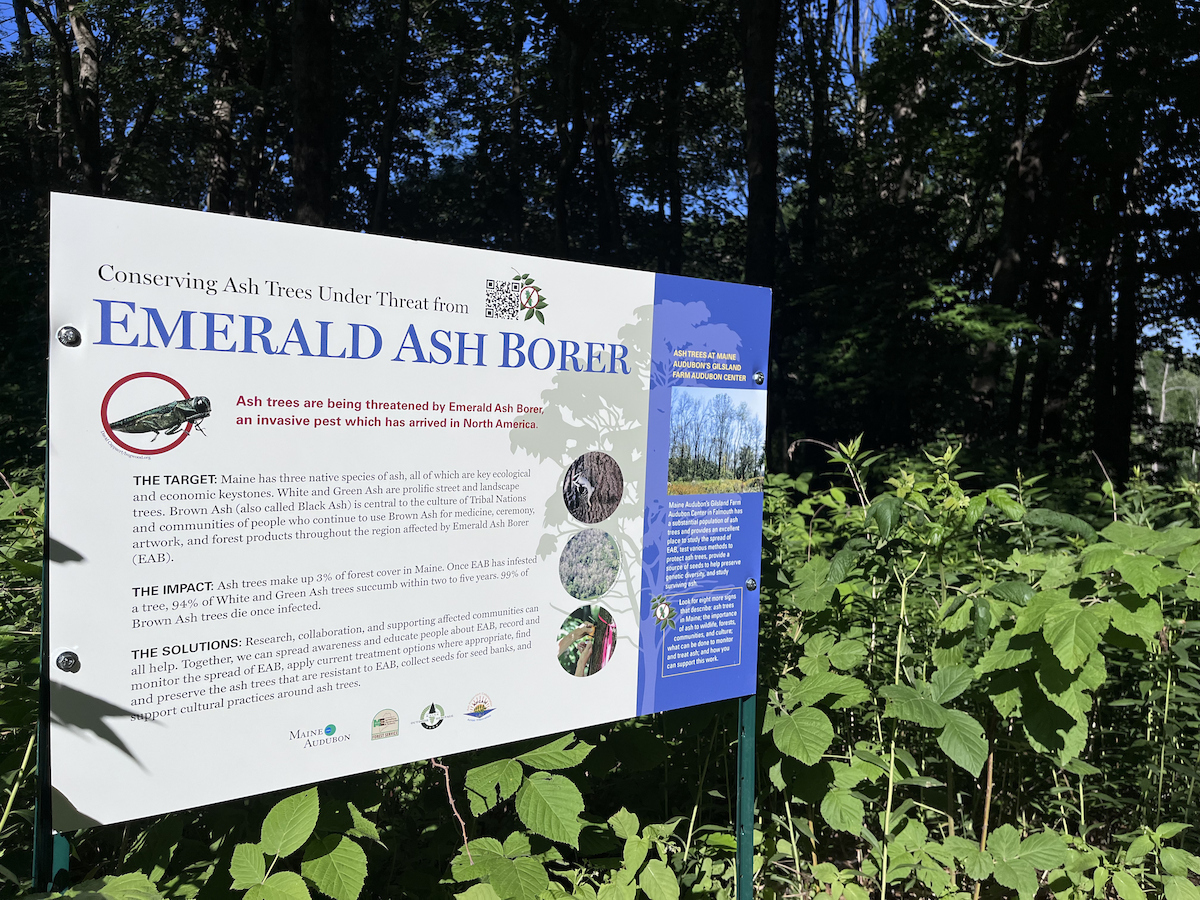
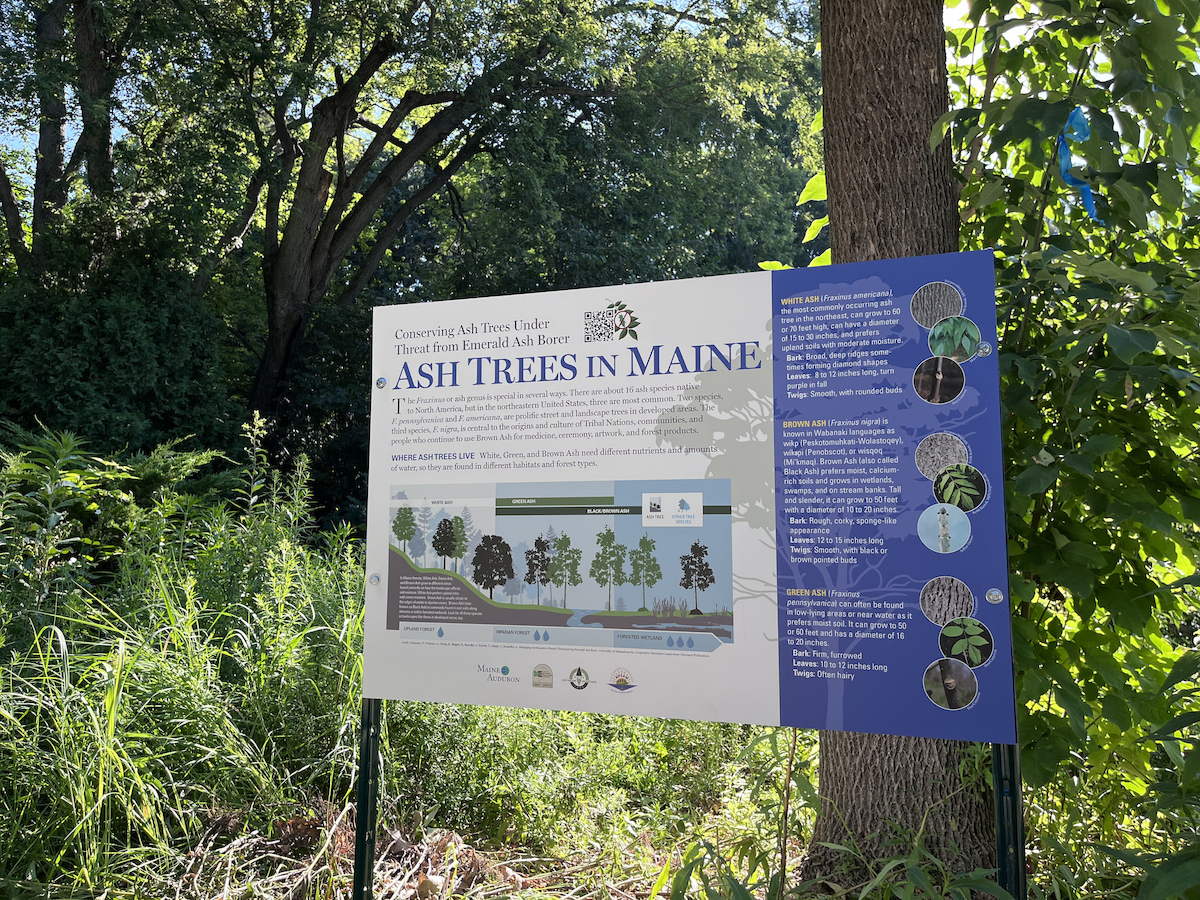
The decline of ash trees at Gilsland farm posed serious risks to property, visitors, and the health of the forest composed of large stands of ash. We identified 15 trees for treatment to mitigate risk, preserve wildlife habitat, and to protect heritage and seed bearing trees. Ten of the treated trees were along the parking lot where they posed risk to visitors of the sanctuary and property. The five other treated trees throughout the property were heritage and/or seed bearings. 10-15 dead or declining ash trees were removed along trails, near trail junctions, or near sites where we installed interpretive EAB signage. Some dead and dying ash trees were left within the treatment area to allow for education about the impacts of EAB.
Preservation of the diminishing stand of ash and risk mitigation.
To continue land stewardship with the objective of conserving wildlife habitat and providing opportunities for education.
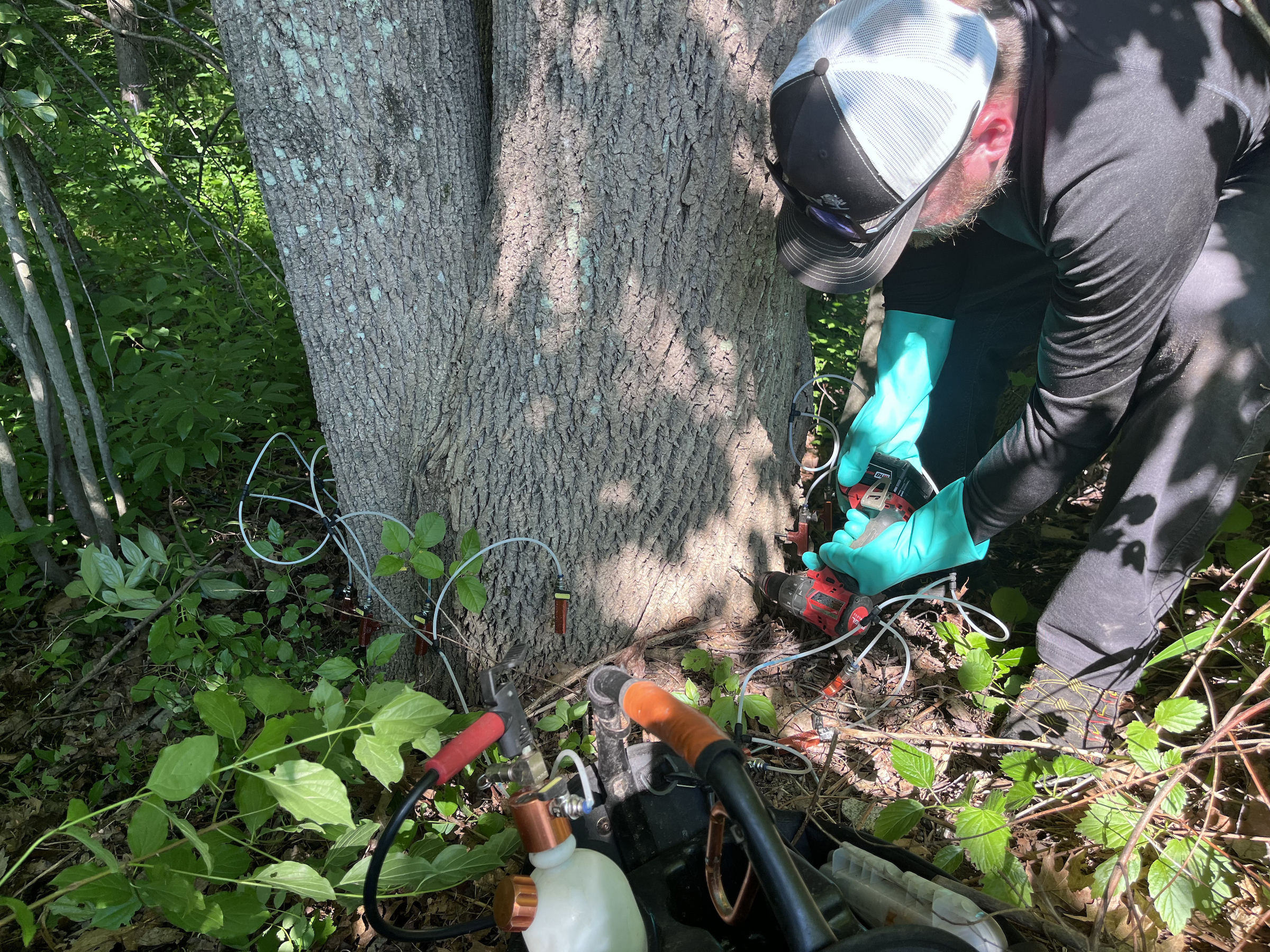
15 white ash, 10 along the parking lot which posed risk to people and property and 5 heritage and/or seed bearing trees were treated with an injected systemic insecticide, emamectin benzoate (G4 formula). 10-15 dead or declining trees were removed along trails to mitigate risk and encourage forest regeneration.
- forest health
- invasive species
- wildlife habitat
Silviculture treatment equipment included a variety of arboricultural resources including aerial lift truck, brush chipper, crane, tractor with grapple to move large wood material, chainsaws, ArborJet injection system, cordless drill, treated with TREE-age ® G4 and ArborMectin with active ingredient Emamectin benzoate.
Control equipment consisted of two types of tree injection systems: ‘Arborjet’ and ‘Rainbow’ due to the variety of weather conditions at the time of treatment. Favorable weather conditions and adherence to the treatment timeline allowed the project to go smoothly. Product uptake is more productive in sunny and breezy conditions.
Post-treatment
yes
yes
Monitoring of tree and stand health will be ongoing.
Miscellaneous
Gilsland Farm plans to resume biocontrol using parasitoid wasps in 2028 and to continue insecticide injections on treated trees that remain healthy, as recommended by the manufacturer. Silvicultural treatments will continue to be used on hazard trees.
Statistics
Contact Information
Eric Topper
Education Direction
Maine Audubon
Falmouth, Maine. 04105
United States
Supplementary Content