Recycling
Find out what to recycle at UVM from the Recycling and Zero Waste office, join the UVM Recycling listserv, and learn how to recycle your electronic waste. Recycling materials in labs and academic offices require special procedures. Find out more about best practices when you are moving out of your office and into a new one.
Composting at UVM
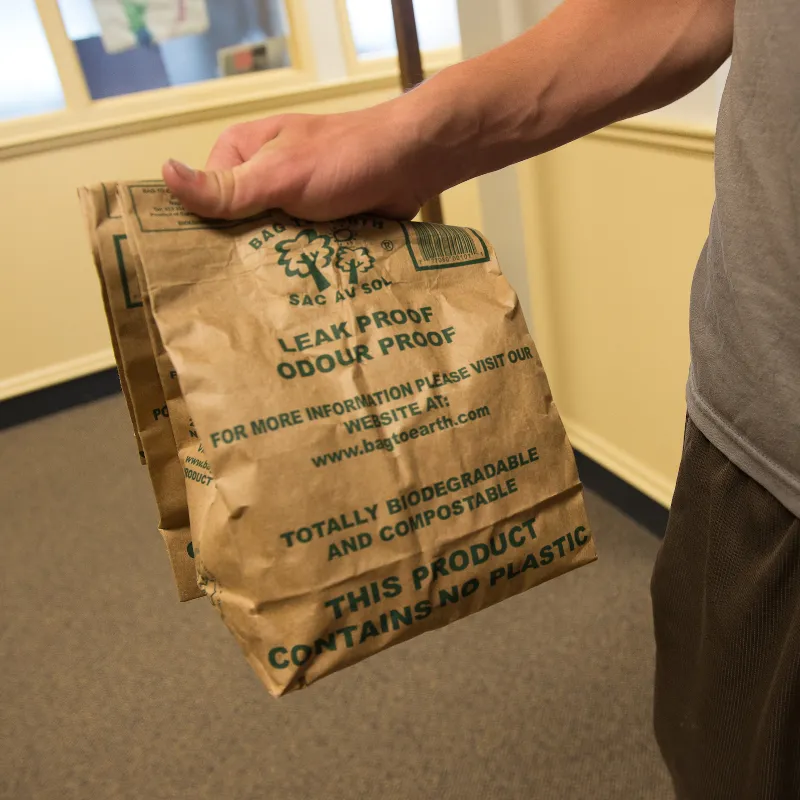
We believe in recycling our food scraps back into soil which creates compost. Composting is a process that takes residual organic materials—like food scraps, leftovers, yard waste and animal manure—and turns them into a nutrient-rich product called "compost." Organics are collected in various ways around campus.
Guides to student move-in, move-out
Combine move-in and move out days. These days of transition create lots of potential waste—and opportunities to reduce UVM’s carbon footprint. Learn how to properly dispose of waste when you move in—and find homes for items you no longer need or don’t have room for when you move out.
Academic connection
While Vermonters support banning food waste from landfills – and a whopping 72 percent already compost or feed food scraps to their pets or livestock – few say they are willing to pay for curbside composting pick-up, a new University of Vermont research shows.
Banning Food Waste: Lessons for Rural America