Department of Psychology
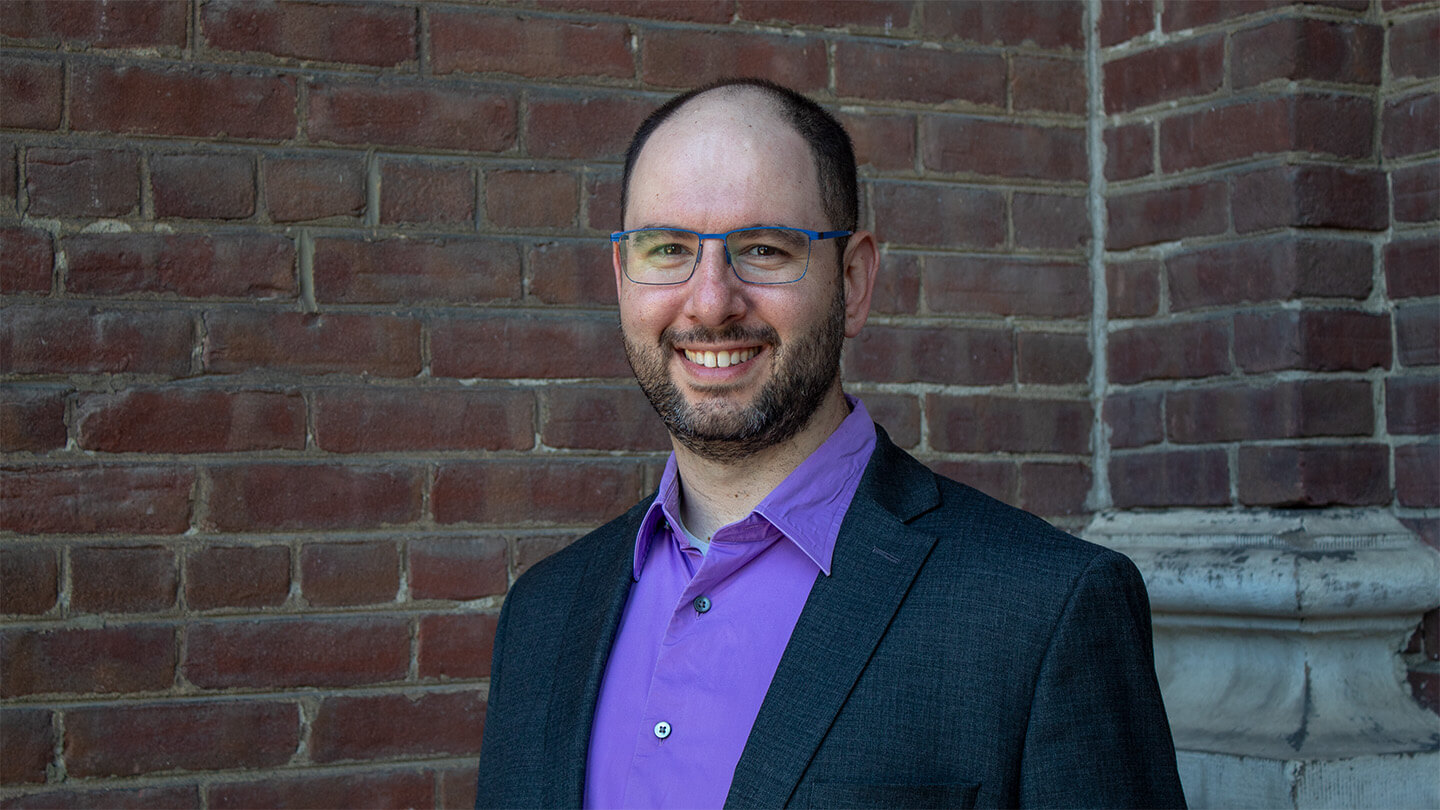
Dianna Murray-Close
Developmental Psychology
Dianna Murray-Close
Associate Professor
Education
- B.A. Carleton College, 2001
- M.A. University of Minnesota, 2005
- Ph.D. University of Minnesota, 2006
Email: dianna.murray-close@uvm.edu
Phone: (802) 656-4142
Room: 210A
Office Hours: Monday 11:00 - 12:00
Website: Social Development Laboratory
Status: On sabbatical Fall semester 2013 and Spring semester 2014
Affiliations
Affiliated Faculty, Developmental Psychopathology Concentration
Affiliated Faculty, Women's and Gender Studies
Areas
My research focuses on gender differences in children and adolescents' social development, with an emphasis on the development of aggressive behavior. Specifically, my work explores forms of aggression more common among girls (i.e., relational aggression) in addition to forms more typical in boys (i.e., physical aggression). Relational aggression, defined as behaviors that harm others through the manipulation of interpersonal relationships, includes malicious gossip, giving others the "silent treatment," or threatening to end a friendship. I hope that this research will inform intervention work targeting at-risk girls.
My current interests include:
- investigating the maladaptive social (e.g., rejection by peers) and mental health (e.g., internalizing symptoms) consequences of involvement in relational and physical aggression.
- exploring physiological (e.g., blood pressure reactivity to provocation), cognitive (e.g., moral reasoning), and social (e.g., friendship qualities; childhood maltreatment) contributors to physically and relationally aggressive conduct.
- examining how the risk factors and outcomes of physical and relational aggression differ for boys and girls.
- studying how aggression develops in the context of close relationships, such as friendships and enemy relationships.
Accepting Students Fall 2013
Professor Murray-Close is especially interested in accepting students who enter the program in the Fall of 2013.
Laboratory
The Social Development Laboratory focuses on the development of aggressive behaviors in children. We examine forms of aggression that are more common among girls (relational aggression; e.g., gossip, social exclusion) in addition to forms more typical in boys (physical aggression). Current research studies explore potential risk factors for involvement in physically and relationally aggressive behaviors.
Representative Publications
- Murray-Close, D. (in press). Psychophysiology of adolescent peer relations I: Theory and research findings. Journal of Research on Adolescence.
- Murray-Close, D. (in press). Psychophysiology of adolescent peer relations II: Recent advances and future directions. Journal of Research on Adolescence.
- Murray-Close, D., & Rellini, A. H. (2012). Physiological reactivity to relational stress and proactive and reactive relational aggression among women with and without a history of sexual abuse. Biological Psychology, 89, 54-62.
- Murray-Close, D., Hoza, B., Hinshaw, S. P., Arnold, L. E., Swanson, J., Jensen, P. S., Hechtman, L., Wells, K., & the MTA Cooperative Group. (2010). Developmental processes in peer problems of children with ADHD in the MTA study: Developmental cascades and vicious cycles. Development & Psychopathology, 22, 785-802.
- Murray-Close, D., Han, G., Cicchetti, D., Crick. N. R., & Rogosch, F. A. (2008). Neuroendocrine regulation and physical and relational aggression: The moderating roles of child maltreatment and gender. Developmental Psychology, 44, 1160-1176.
- Murray-Close, D., & Crick, N. R. (2007). Gender differences in the association between cardiovascular reactivity and aggressive conduct. International Journal of Psychophysiology, 65, 103-113.
- Murray-Close, D., Ostrov, J. M., & Crick, N. R. (2007). A short-term longitudinal study of growth of relational aggression during middle childhood: Associations with gender, friendship intimacy, and internalizing problems. Development and Psychopathology, 19, 187-203.
Biobehavioral
Clinical
- Keith Burt
- Antonio Cepeda-Benito
- Karen Fondacaro
- Rex Forehand
- Betsy Hoza
- Alessandra Rellini
- Kelly Rohan
- Sondra Solomon
- Timothy Stickle
Developmental
Social
Pharmacology
Joint Appointment
Behavior Therapy and Psychotherapy Faculty
- Keith Burt
- Christina Colletti
- Karen Fondacaro
- Rex Forehand
- Betsy Hoza
- Kathleen Kennedy
- Harold Leitenberg
- Alexandra Potter
- Alessandra Rellini
- Kelly Rohan
- Erin Roland
- Lee Rosen
- Teresa Scott
- Sondra Solomon
- Timothy Stickle
Post-Doctoral Fellows
Emeriti Faculty
- George Albee
- Heinz Ansbacher
- Phyllis Bronstein
- John Burchard
- Sara Burchard
- Susan Crockenberg
- Donald Forgays
- Lawrence Gordon
- Joseph Hasazi
- David Howell
- Justin Joffe
- Bruce Kapp
- Marc Kessler
- Robert Lawson
- Herbert Leff
- Harold Leitenberg
- Stephanie McConaughy
- Richard (Rik) Musty
- James Rosen
- Laura Solomon
- Dharam Yadav
Lecturers
- Lisa Cepeda
- Judith Christensen
- Susan Fenstermacher
- Karlie Intlekofer
- Robert Lawson
- Shamila Lekka
- Lawrence Rudiger