Proctor Maple Research Center in the University of Vermont's Plant Biology Department is the oldest maple research station in the world. From our home base on the western slope of Mt. Mansfield, we propel the maple industry into a changing future through science and education for producers large and small.


- 3,300+ gallons of syrup produced each year
- 6,600 trees tapped
- 200 acres of managed forest

80 Years of Maple Science
PMRC was established in 1946 as part of UVM's Department of Plant Biology. Learn more about our history, facilities, sugaring operation, and team of staff and researchers.
About Us
Buy Proctor Maple Syrup!
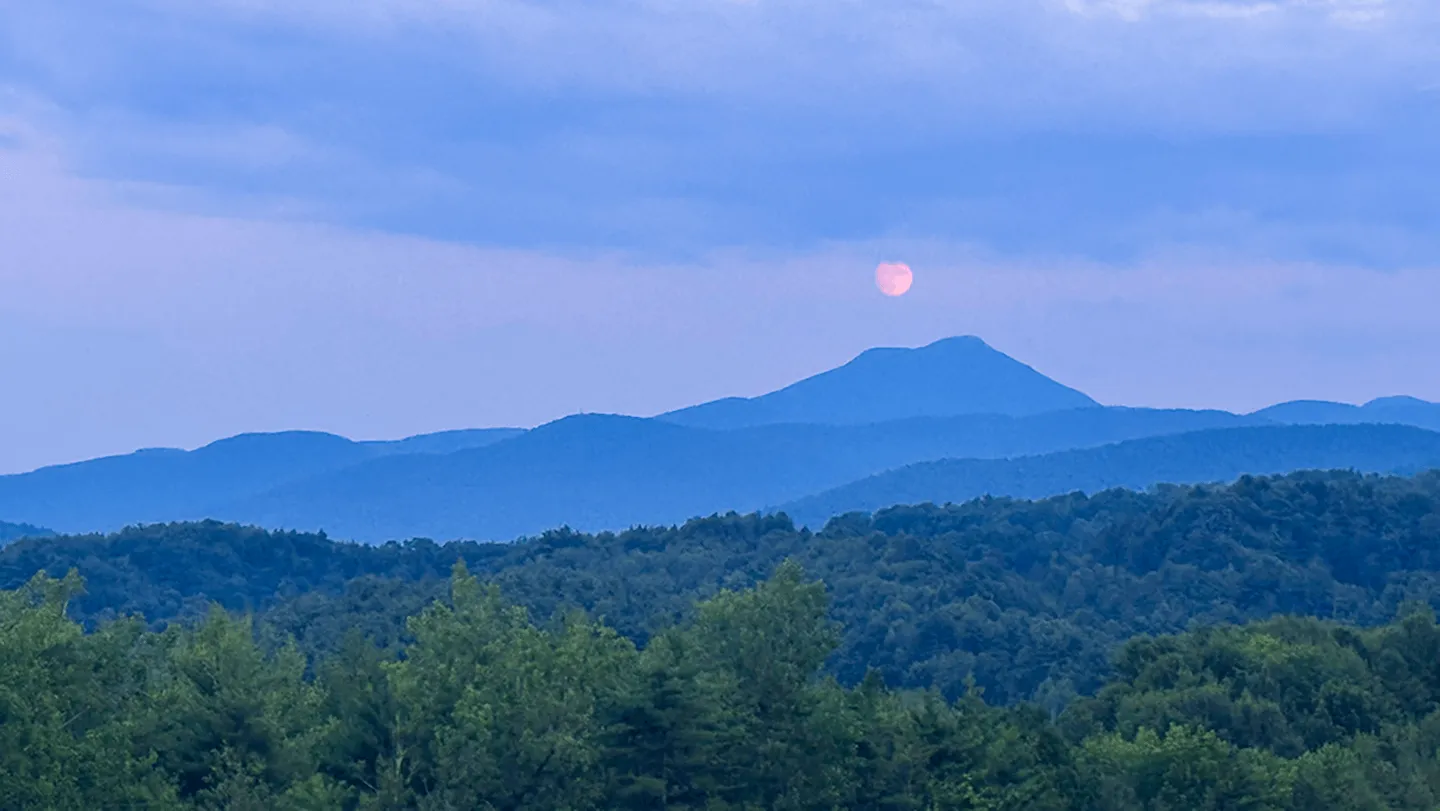


Dive into Syrup Stories
Watch, listen, and read more about maple research, industry, and traditions at PMRC and beyond
Video: "Wildlife in the Sugarbush" on Across the Fence Podcast: Vermont Maple Minute hosted by UVM Extension PDF: PMRC's 2025 annual report

