2008 Vermont Latin Day
The Thirty-second AnnualVermont Latin Day

Ludi Vermontenses Duo et Tricensimo Anno Celebrati


Friday, April 11, 2008

 III Idus Aprilis MMVIII


The University of Vermont’s Patrick Gym

in aulis Universitatis Viridis Montis


Urbs Roma:  Myths and Monuments of the Eternal City


THEME: Urbs Roma . . .


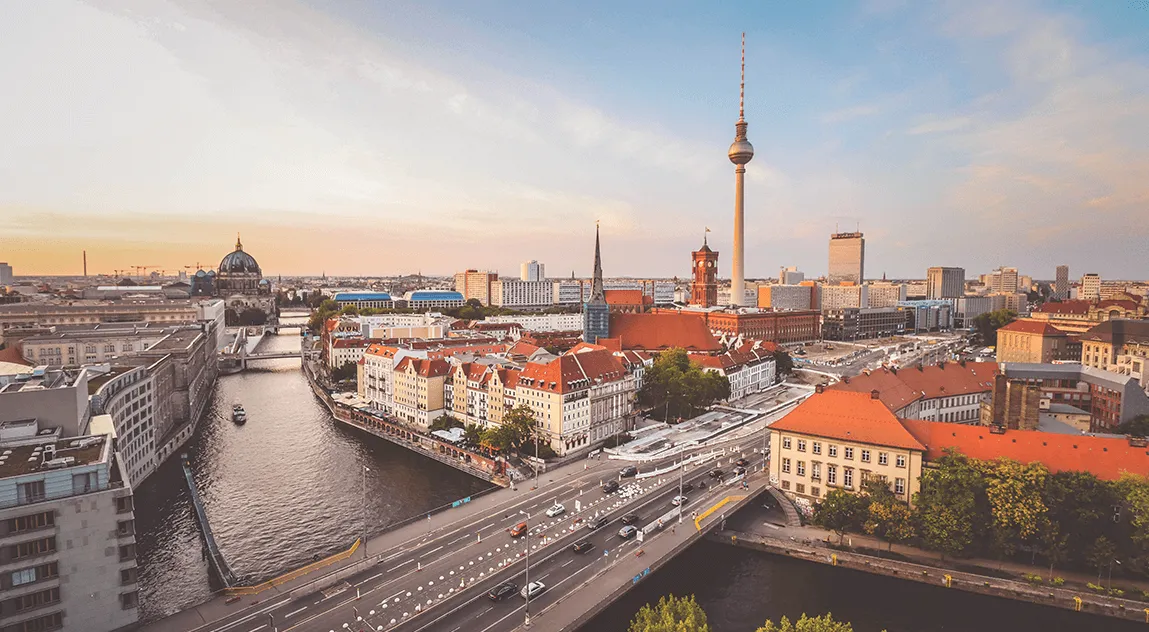
This year all roads do indeed lead to Rome.  Our theme embraces all aspects of the city of Rome from history to topography to mythology. Skits will feature tales of the founding stories of Rome or the events of its later history which centered on the location of the city. Displays can cover the intricacies of how Rome was built and what was built, as students explore famous buildings, the stories behind them, the architecture and construction that made them possible and the archaeology that preserves them. The entire physical infrastructure of the city is fair game this year, from aqueducts and sewers to arenas to roads to theaters.


PLEASE TAKE NOTE OF THE FOLLOWING IMPORTANT CHANGES/REMINDERS THIS YEAR (THESE IN RESPONSE TO SOME CONFUSION LAST YEAR, AND REQUESTS FROM TEACHERS) . . .


1) IF YOU HAVEN’T RESPONDED TO THE CALL FOR SKIT TOPICS CHOICES, PLEASE DO SO ASAP. NO TWO SCHOOLS CAN HAVE THE SAME MYTH/MONUMENT COMBINATION AND SEVERAL SCHOOLS HAVE ALREADY CHOSEN AND SO NOT ALL CHOICES ARE STILL AVAILABLE.


2) POINTS WILL BE DEDUCTED FOR ALL SKITS THAT ARE LONGER THAN 4 MINUTES (THE 4 MINUTE LIMIT EXCLUDES THE 1 MINUTE SCHOOLS HAVE TO GET ON AND OFF STAGE—30 seconds off, 30 seconds on). THE JUDGES WILL TIME SKITS THIS YEAR WITH STOP-WATCHES. AS YOU REHEARSE YOUR SKITS, TIME YOURSELVES TO ENSURE YOU’RE KEEPING WITHIN THE LIMITS.


3) NO POINTS WILL BE AWARDED OR LOST FOR THE PRAECO’S VERBAL RESPONSES TO MIMI-PROBATIO QUESTIONS. A SCHOOL’S WRITTEN ANSWERS, HOWEVER, WILL BE GRADED AND MAY CONTRIBUTE TO A SCHOOL’S TOTAL POINTS.


4) IF YOU HAVE A SCRIPT FOR YOUR SKIT (RECOMMENDED), BE SURE TO GIVE IT TO THE JUDGES BEFORE YOU PERFORM.


This Packet Contains . . .


I. Horarium et Agenda (Schedule, Opening Ceremonies/Responses)                    


II. Annotated Latin Texts


III. List of Important Authors (for mini and maxi-Probationes)


IIII. Probatio Particulars


V. Special Instructions for the Mini Probatio


VI. Scoring Information


VII. Latin Day Registration Form


VIII. List of Displays and Presentations Form


IX. Map to Patrick Gymnasium   


X. Text and Music for Gaudeamus Igitur           


I. HORARIUM ET AGENDA


9:00-9:20 ~ ASSEMBLE in Patrick Gym, including REGISTRATION at the Registration Desk with Pam Cunov; SET UP EXHIBITS on the tables in Patrick Gym; BRIEFING of the “Microphone Masters” of each delegation with UVM student volunteer to learn how to use the stage sound equipment for the skits;


9:20-45 ~ OPENING CEREMONIES, including introduction of each delegation.  When called upon, each delegation will stand, saying HIC SUMUS, and remain standing long enough to be judged for its COSTUMES (HABITUS). As in previous years, there will be a prize for the best costumes. 


Latin greetings and responses during the opening ceremonies are as follows:


Magister:  Salvete sodales omnes! 

Omnes:  Salve, magister!

Magister:  Benigne accipimus vos omnes, discipuli discipulaeque, magistri magistraeque, sed primum volo me certum facere unde sitis.  Ex ordine literarum vos petam et salutabo:  Delegatio “A” ubi estis?

Omnis quaeque delegatio, in pedes surgens et habitus suas iudicibus monstrans:  Hic sumus.

Magister:  Nobis valde placet quod vos his in ludis fabulas de urbe Roma scaeniter monstrare vultis. Sed nunc volo introducere collegam meum, Wanda Heading-Grant, imperatorem et pontificem maximum Universitatis Viridis Montis, qui vos amice salutare et dicere aliquae de studiis et rebus honestis.

Omnes:  Salve!

Wanda Heading-Grant:  (brief welcome)

Omnes:  Gratias tibi agimus!


9:45-55 ~ SPECIAL AWARDS: Largest Delegation, Highest per capita Enrollment, School Traveling the Farthest, CANE Writing Contest Vermont Winners, Vermont Latin Sight Translations Test Winners, Largest Increase in Latin Enrollment, First Attendance at Latin Day


9:55-10:00 ~ STAND and SING Gaudeamus igitur (text and music at end of packet)


10:00-30 ~ MAXI-PROBATIO for JUNIOR and SENIOR TEAMS in the West Court of the Gym (see Probatio Particulars).


10:00-10:15 ~ MINI-PROBATIO:  The Spectatores remain in the stands for a short viva voce Probatio, while the teams are participating in the Maxi-Probatio. NOTE: For the format of the Mini-Probatio, please see special instructions included in this packet.


10:15-10:30  VIEWING THE DISPLAYS:  The Spectatores will have time for a short viewing of the Displays while the Probatio teams finish their work.


10:30-11:45 ~ SKITS! See special instructions about Skits, under SCORING INFORMATION (included in this packet)


11:45-12:00 ~ DISPLAY VIEWING


12:00-12:05 ~ RETURN TO SEATS


12:05-25 ~ AWARDS for the Silver Bowls (for a combination of Displays, Maxi-Probatio Juniorum, and Skits) and Senior Probatio Plaque and Ribbons for the Skits and a Special Award for D.O.T. (Delegatio Optime Togata, i.e., BEST COSTUMES), then EXEUNT OMNES.


II. Annotated Latin Texts: Selections from Livy and Propertius (for Probationes)


[Text selection, annotations and notes come courtesy of UVM Professor Angeline Chiu.]  Juniors are responsible for texts or text portions in boldface. The Seniors are responsible for all three readings.


1. Livy Book 5.47: Juno’s Sacred Geese Save the Capitoline (abridged)


Interim arx Romae Capitoliumque in ingenti periculo fuit. Namque Galli nocte sublustri tanto silentio in summum evasere ut non custodes solum fallerent, sed ne canes quidem, sollicitum animal ad nocturnos strepitus, excitarent. Anseres non fefellere quibus sacris Iunonis in summa inopia cibi tamen abstinebatur. Quae res saluti fuit; namque clangore eorum alarumque crepitu excitus M. Manlius, vir bello egregius, armis arreptis simul ad arma ceteros ciens vadit.


Romae: locative

nocte sublustri: ablative of time when or within which

sublustri: glimmering, i.e., starry, starlit

evasere = evaserunt, from evado

fallerent, excitarent: imperfect subjunctives

solum: adverb

tanto silentio . . . ut . . .: result clause

fefellere = fefellerunt

quibus: ablative of separation

abstinebatur: impersonal

saluti: dative (i.e., of Rome)

clangore eorum alarumque crepitu: note the chiasmus

clangore, strepitu: ablative of means/instrument

bello: ablative of respect

armis arreptis: ablative absolute

ceteros: supply a noun, e.g., viros or milites

ciens: present active participle agreeing with vir


2. Book 7.6: Marcus Curtius leaps into the chasm (abridged)


Forum medium ferme specu vasto conlapsum in immensam altitudinem dicitur; neque eam voraginem coniectu terrae, cum pro se quisque gereret, expleri potuisse, priusquam deum monitu quaeri coeptum quo plurimum populus Romanus posset; id enim illi loco dicandum vates canebant, si rem publicam Romanam perpetuam esse vellent. Tum M. Curtium, iuvenem bello egregium, castigasse ferunt dubitantes an ullum magis Romanum bonum quam arma virtusque esset, et silentio facto templa deorum immortalium, quae foro imminent, Capitoliumque intuentem et manus nunc in caelum, nunc in patentes terrae hiatus ad deos manes porrigentem, se devovisse; equo deinde quam poterat maxime exornato insidentem, armatum se in specum immisisse; lacumque Curtium ab hoc appellatum.


medium: translate as “the middle of” + noun modified by this adjective.

ferme = fere, adverb.  Here = “nearly, almost, for the most part”

Supply ferunt or dicunt for the following infinitive verb forms in implied indirect statement.

cum: adversative cum-clause.

expleri: present passive infinitive of expleo, explêre, “to fill up.”  Take with potuisse.

potuisse: perfect active infinitive of possum, posse.

illi loco: dative.

dicandum: gerundive of dico, dicare, “to dedicate, consecrate, devote to a god.”  Take with id.

vellent: imperfect subjunctive of volo, velle.  Leads to indirect statement with accusative and infinitive.

ferunt: leads to indirect statement with M. Curtium, etc.

castigasse = castigavisse, from castigo, castigare.

dubitantes: present active participle from dubito, dubitare.  Here, accusative plural masculine (implied subject is the group of Roman onlookers).

dubitantes: leads to an indirect question.

bello: ablative of respect.

ullum magis . . . quam: comparison.

Silentio facto: ablative absolute.

quae . . . imminent: relative clause with templa.

porrigentem: present active participle of porrigo, porrigere, porrexi, porrectum; the direct object is manus.

devovisse: prefect active infinitive of devoveo.

quam . . . maxime: “as greatly as possible.”


3. Propertius, Elegies 2.31: Temple of Palatine Apollo


Quaeris, cur veniam tibi tardior? aurea Phoebi

    porticus a magno Caesare aperta fuit.

tota erat in spatium Poenis digesta columnis,

    inter quas Danai femina turba senis.

hic equidem Phoebo visus mihi pulchrior ipso

    marmoreus tacita carmen hiare lyra;

atque aram circum steterant armenta Myronis,

    quattuor artificis, vivida signa, boves.

tum medium claro surgebat marmore templum,

    et patria Phoebo carius Ortygia:

in quo Solis erat supra fastigia currus;

    et valvae, Libyci nobile dentis opus,

altera deiectos Parnasi vertice Gallos,

    altera maerebat funera Tantalidos.

deinde inter matrem deus ipse interque sororem

    Pythius in longa carmina veste sonat.


Note: Propertius depicts this poem as an explanation to his girlfriend why he was late for a date—he was distracted by the grand opening of a splendid new temple.


veniam: present active subjunctive of venio; indirect question with quaeris

tardior: comparative with the subject, “I.” “Rather late.”

aurea + porticus.  Porticus is a fourth-declension feminine noun: porticus, porticûs, f.

a magno Caesare: ablative of agent. a = ab.

Caesar here = Augustus.

aperta fuit: treat as aperta erat.  From aperio, aperire, apertui, apertum.

poenis . . . columnis: ablative of means/instrument.

inter quas: leads to relative clause.

digesta erat: from digero.

Danai senis: genitive; “of the old man Danaus.”

senex, senis, m.

femina: treat here in an adjectival sense.

femina turba: refers to the 50 Danaids, daughters of Danaus.

pulchrior: take with marmoreus—i.e., a marble statue.

Phoebo . . . ipso: ablative of comparison.

visus: passive of video  = “seemed.”

circum: preposition + accusative. Aram + circum.

steterant: pluperfect active indicative of sto, stare, steti, statum.

Myron, Myronis, m.: Myron was a famous sculptor.

medium . . . templum: the adjective medium is translated as “the middle of” + the noun it modifies.

carius: modifies templum. Comparative of carus, -a, um.

in quo: in the sense of “on which”

patria . . . Ortygia: ablative of comparison.

supra: preposition with accusative, ?over, above.?

currus: from currus, -us, m. here, the chariot that was part of the temple’s acroteria (rooftop decorations)

nobile + opus

Libyci . . . dentis: i.e., ivory.

altera . . .altera: “one . . . and the other.”  Alter, altera, alterum is used for pairs of things.

Inter matrem . . . interque sororem: repeated preposition; translate as inter matrem sororemque.

Deus ipse + Pythius


III. List of Important Authors


Here is an important list of important Latin authors whom you should know something about by heart—e.g. were they poets, or prose authors? what is the title of one book, play, or poem composed by each? You should memorize the dates of the authors in boldface (think Probatio questions here) [note: c. = circa; fl. = floruit; b. = “born”].


Ennius (239-169 B.C.)

Plautus (fl. c.205-184 B.C.)

Terence (fl. c.160's B.C.)

Cato the Elder (234-149 B.C.)

Caesar (100-44 B.C.)

Cicero (106-43 B.C.)

Catullus (c.84-c.54 B.C.)

Lucretius (c.94-55 B.C.)

Vergil (70-19 B.C.)

Horace (65-8 B.C.)

Propertius (b. ?54 B.C.)

Tibullus (b. ?55 B.C.)

Martial (c. A.D. 41-c.104)

Pliny the Younger (c. A.D. 61-c. 112)

Seneca (c.4 B.C..- A.D. 65)

Lucan (A.D. 39-65)

Juvenal (c.A.D. 65-c.120)

Tacitus (c.A.D. 56-c.120)

Publius Ovidius Naso, “Ovid” (43 B.C.-A.D. 17)


IIII. PROBATIO PARTICULARS


The formal Probationes Juniorum et Seniorum will take place in the back half of the Patrick Gym (behind the big curtain/backdrop) in a written format. Some questions will be based on the Common Readings above. While the Competitores (Teams) are hard at work behind the curtain, the Spectatores (the audience) and the Magistri will have a Mini-Probatio (See special Mini-Probatio instructions, below)


Probatio questions will be appropriate to the level of Latin studied (Juniores: 1 to 2 years of Latin; Seniores: 3 to 4 years of Latin). Teams will receive 20 questions worth two points each, falling into three categories: 5 on culture (Greek and Latin literature, history, myth, art and architecture), 10 on Grammar (forms) and Syntax (usage) and 5 on interpretation, translation and composition based upon the Latin texts included with this packet.  The team of up to 6 members (Competitores) will compete for ribbons, the Blue (30-40 points), the Red (20-29 points) and the Yellow (0-19 points). Each Team member will receive a sheet containing the 20 questions, but the Team Captain is responsible for submitting one sheet with the answers decided upon by the Team. A Marshal will stand by each team to provide logistical assistance and to collect the completed papers. The results of these contests will be published in the Vermont Classical Languages Association (VCLA) newsletter and reported by letter to each school’s principal.      


SAMPLE QUESTIONS from previous years:


Grammar: 1. Give the principal parts of tango, cedo, sum, parco, curro, mitto, vinco; 2. Give the dative sing. and pl. of rex, vinum, fortitudo, dies, manus; 3. Give the accusative sing. of tempus, amicus, domus, gladius, corpus; 4. What case is governed by ad, sine, inter, infra, sub, super?


Vocabulary: 1. Give an English derivative from the following Latin words:  bos, bovis;

atrox; nullus, a, um; stultus, a, um; suavis, e; mittere; sequi; capere; 2. What is the Latin for:  to stand; to lead; to seek; to ask; to make? 3. What is the English of: os, oris; os, ossis; sanguis, sanguinis?


Greek and Roman History, Literature, Geography, Art: 1. What is the date of the foundation of Rome? 2.  When was Cicero's consulship? 3. When did Augustus die? 4. When was Gaius Julius Caesar born? 5. How many books are there in the Aeneid ? 6. Who is Elissa? 7. When was the battle of Actium? 8. Who said “alea iacta est”?  In what century?


Mythology: 1. What is the Latin name for Zeus, Artemis, Hermes, Athena, Hera? 2. What god chased Daphne? 3. What god invented the lyre? 4. Who was the father of Agamemnon and Menelaus? 5. What are two names of Aeneas' son? 6. Who was Dido's husband? 7. Who was the father of Romulus and Remus? 8. Who is the messenger of the gods?


V. Special Instructions for the Mini-Probatio (10:00-10:15)


The Mini-Probatio is conducted as follows: Instead of receiving answers by spontaneous acclamation from the crowd of Spectatores, the Magister will ask a series of questions. 15 seconds per question will be allotted for schools to “huddle” together in the bleachers and write down the answer on an answer sheet. (These sheets will be provided to each school in the Teacher’s packet.) After all the questions have been asked, and answers have been committed to paper, the Magister will summon to the stage a Praeco, or herald, previously appointed by his or her school, who will be prepared to give the school’s answer when called upon by the Magister. Though every school will be given the opportunity to answer a question, it will not know in advance which of the questions it will be called upon to answer. To determine this, the Magister or his lovely assistant will randomly draw the name of a school from a hat, and the Praeco for the school that is selected will come to the microphone and declare his/her school’s response. If the answer is correct, loud cheers, horns, whistles, and sportulae of chocolate kisses will be showered upon the successful school contingent. If incorrect, the Magister will solicit the audience for the correct answer and proceed immediately to the next question, drawing a new school name out of the hat. This procedure will continue until all the questions have been answered.


A school’s written answers to the Mini-Probatio questions will be graded and 5 additional points will be added for having at least 10 correct answers. These points will be added to the total points that are applied to tally for the small and large bowls. SCHOOLS WILL LOSE POINTS, however, FOR UNRULY BEHAVIOR during the Mini-Probatio—up to 10 points deducted from the school's total score. Unruly behavior includes shouting an answer out of turn, infiltrating another school's huddle to steal an answer, or being noisy while the Magister is speaking at the podium. Student Marshals and the Magister himself will monitor the crowd for such behavior, and a red penalty flag will be thrown at any offending school. However, loud acclamations or complaints are encouraged in immediate response to correct or incorrect answers (Nunc est . . . pulsanda tellus!), but students need to pay attention: the Magister will signal for silence after a short interval of such celebration or complaint, and extraneous noise thereafter will be subject to demerits.


To reiterate: schools will LOSE points for loud or unruly behavior out of turn. Only 15 minutes is allotted to the entire Mini-Probatio, so orderly cooperation is the key. The model here is the relatively calm atmosphere of Jeopardy, not the mayhem of The Price Is Right. Also note that this format requires each school to appoint a Praeco from its ranks in advance of Latin Day. Please indicate the name of your Praeco on the Registration Sheet.


VI. SCORING INFORMATION


Separate Ribbons will be awarded for Skits and the Probatio on a scale of 1-40 points: 30-40 points =  blue ribbon; 20-29 points =  red ribbon; 1-19 points =  yellow ribbon. Ribbons will also be awarded for Displays (see below under Displays).


The Skits will be judged on conception, costume, clarity of representation, and text (optional, but if text is used, you must present a copy to the judges in advance). SKITS ARE TO BE NO LONGER THAN 4 MINUTES plus 30 seconds for getting on stage and 30 seconds for getting off.  Instruction in use of the microphones will be given at 9:00 a.m. at the Registration Desk.  POINT WILL BE DEDUCTED FOR ALL SKITS THAT ARE LONGER THAN 4 MINUTES. (JUDGES WILL TIME SKITS THIS YEAR WITH STOP-WATCHES)  


Displays: 10 points awarded for the winning of a blue ribbon for a display—maximum of 20 points credited toward silver bowl. Ribbons individually awarded at the discretion of the judges. NOTE:  Judges will be impressed by creativity, cohesion, neatness of presentation, and relevance to Greek and Roman antiquity and to the ancient languages.   


Probatio: All questions are worth 2 points each. There will be 5 questions on culture (history, myth, art, etc.); 10 questions on grammar and syntax; 5 questions on interpretation, translation or composition


Awarding of the Silver Bowl: Two silver bowls will be presented:  one to a large school (total enrollments above 700) and one to a small school (enrollments under 700).


Bowls will be won by the schools with the greatest number of total points scored for: 1) Skit (40 points maximum); 2) Juniores Probatio (40 points maximum); 3) Displays (20 points maximum); plus additional points or demerits for the Mini-Probatio, as described on p. 6.


In order to alleviate the inequity produced by some schools having both Juniores and Seniores Probatio teams only the Juniores score will be counted toward the silver bowl. The Seniores teams will compete for a special plaque to be known as the Senior Probatio Question Reward (SPQR ),The winning school's name will be engraved on the Plaque and it will be housed at the winning school until the next Latin Day. (If there is a tie, both school names will be engraved and the plaque will reside at each school for six months.)


Special Awards (not credited toward Silver Bowl or Seniores Probatio Plaque):

Largest Delegation; Highest per capita enrollment (compute by dividing your Latin enrollment by your High School's total enrollment—grades 9-12); School Traveling the Farthest; CANE Writing Contest:  State Winners; Vermont Latin Sight Translation Test Winners; Largest increase in Latin enrollment; First attendance at Latin Day; D.O.T. Award (= Delegatio Optime Togata, or Best Costumes!)


VII. REGISTRATION ~ LATIN DAY ~ April 11, 2008


Please copy and return the forms in this section and the next no later than March 21, 2008 to: Ms. Pam Cunov, Classics Department, UVM, 481 Main Street, Burlington, VT  05405-0218; e-mail:  pamela.cunov@uvm.edu


PLEASE WRITE LEGIBLY and PROVIDE ALL THE REQUESTED INFORMATION!                                    

Name of School                                                                                                                               

Principal’s name                                                                                                                             

Teacher’s Name(s)                                                                                                                          


Number of Students attending              Number of miles traveled one way                           

Number of buses                               Number of buses remaining all day                                          

Number of students enrolled in grades 9-12                    Number of Latin students                                    


Give the Title of your Skit, making it clear what the topic is. If there is an extended text in Latin or English, please bring copies for the Judges or send them with this Registration Form.


Title                                                                                                   


Number of display(s)                                    Each school will be allowed two 8-foot tables maximum space.  Do you need any special equipment (e.g. extension cords, VCR)?


Will you have a Jr. team for the Probatio?                                   Sr.?                            


Name of Junior team captain                                                                                

Names of the other 5 Jr. team members (6 members altogether):


Name of Senior team captain                                                                                   

Names of the other 5 Senior team members (6 members altogether):


Name of Mini-Probatio Praeco ____________________


VIII. LATIN DAY 2007 List of Displays (Please print clearly)


 DISPLAY NAME                             STUDENT(S) RESPONSIBLE


1.                                                                                                                                                        


2.                                                                                                                                                        


3.                                                                                                                                                        


4.                                                                                                                                                        


5.                                                                                                                                                        


6.                                                                                                                                                        


7.                                                                                                                                                        


8.                                                                                                                                                        


9.                                                                                                                                                        


10.                                                                                                                                                      


11.                                                                                                                                                      


12.                                                                                                                                                      


13.                                                                                                                                                      


14.                                                                                                                                                      


15.                                                                                                                                                      


Add more lines if necessary