The University of Vermont

Chemistry Faculty Research

UVM Chemistry Research: Rory Waterman

Rory Waterman

Go to web page
Rory Waterman

Inorganic Chemistry

Assistant Professor


Rory.Waterman@uvm.edu
phone: 802-656-0278
office: Cook Rm A129

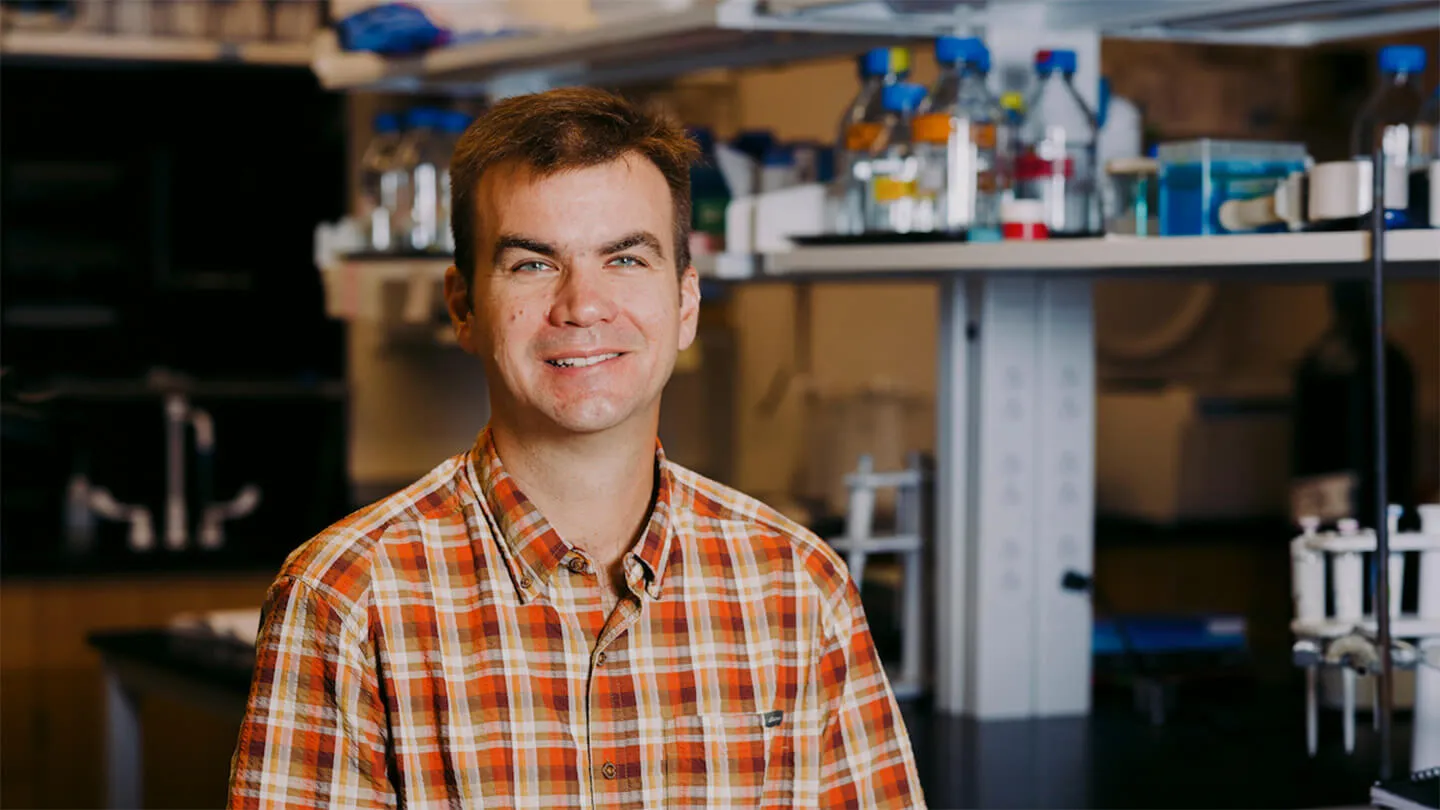
Dr. Waterman earned his Ph.D. in 2004 from The University of Chicago as a student of Gregory L. Hillhouse. He conducted postdoctoral research in the laboratories of T. Don Tilley at the University of California, Berkeley as a Miller Research Fellow before joining the department in 2006. He is synthetic inorganic chemist with interests in organometallics and catalysis. In 2008, he was awarded a National Science Foundation CAREER Award. In 2009, he was named a Cottrell Scholar by the Research Corporation for Science Advancement and a Research Fellow by the Alfred P. Sloan Foundation.

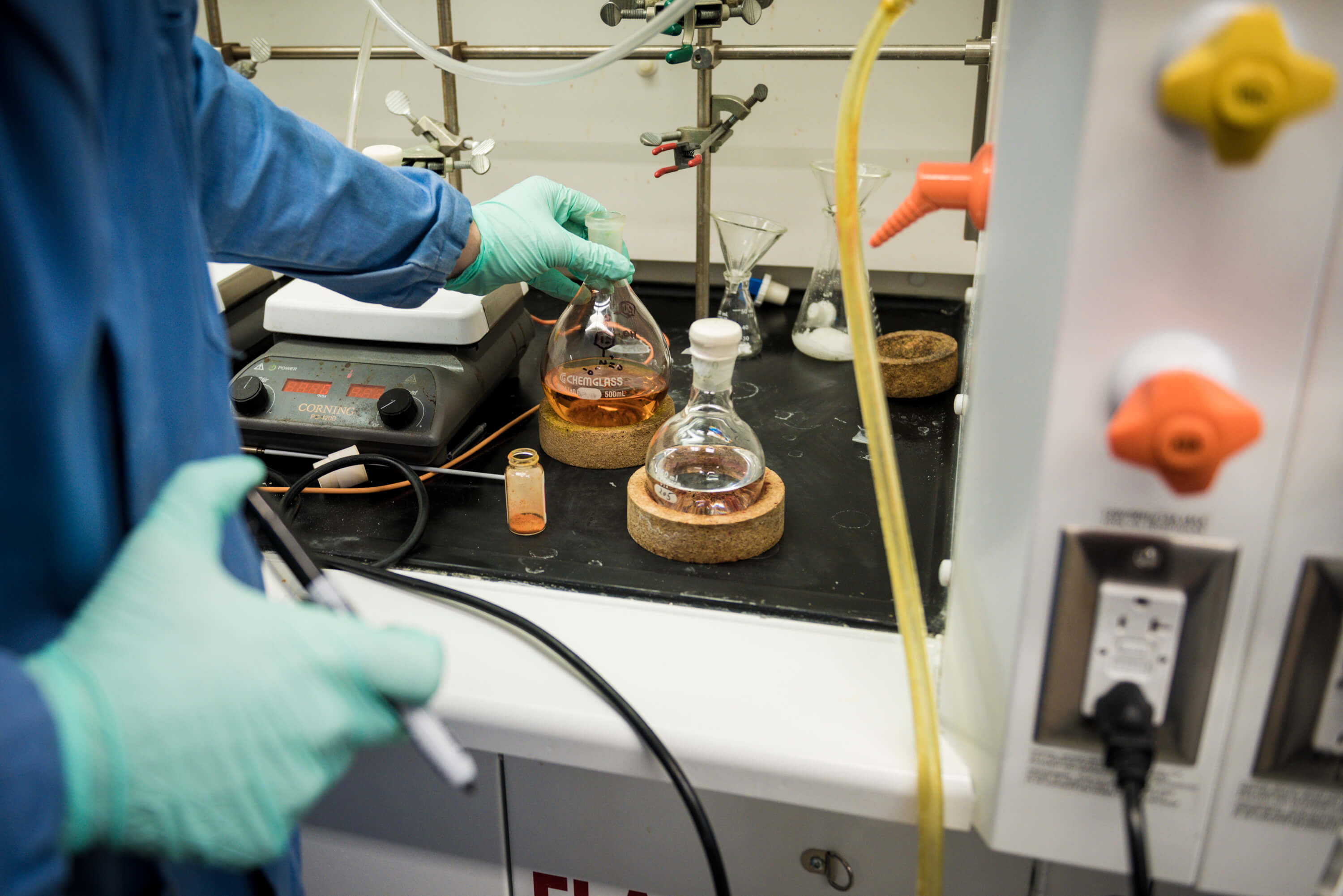
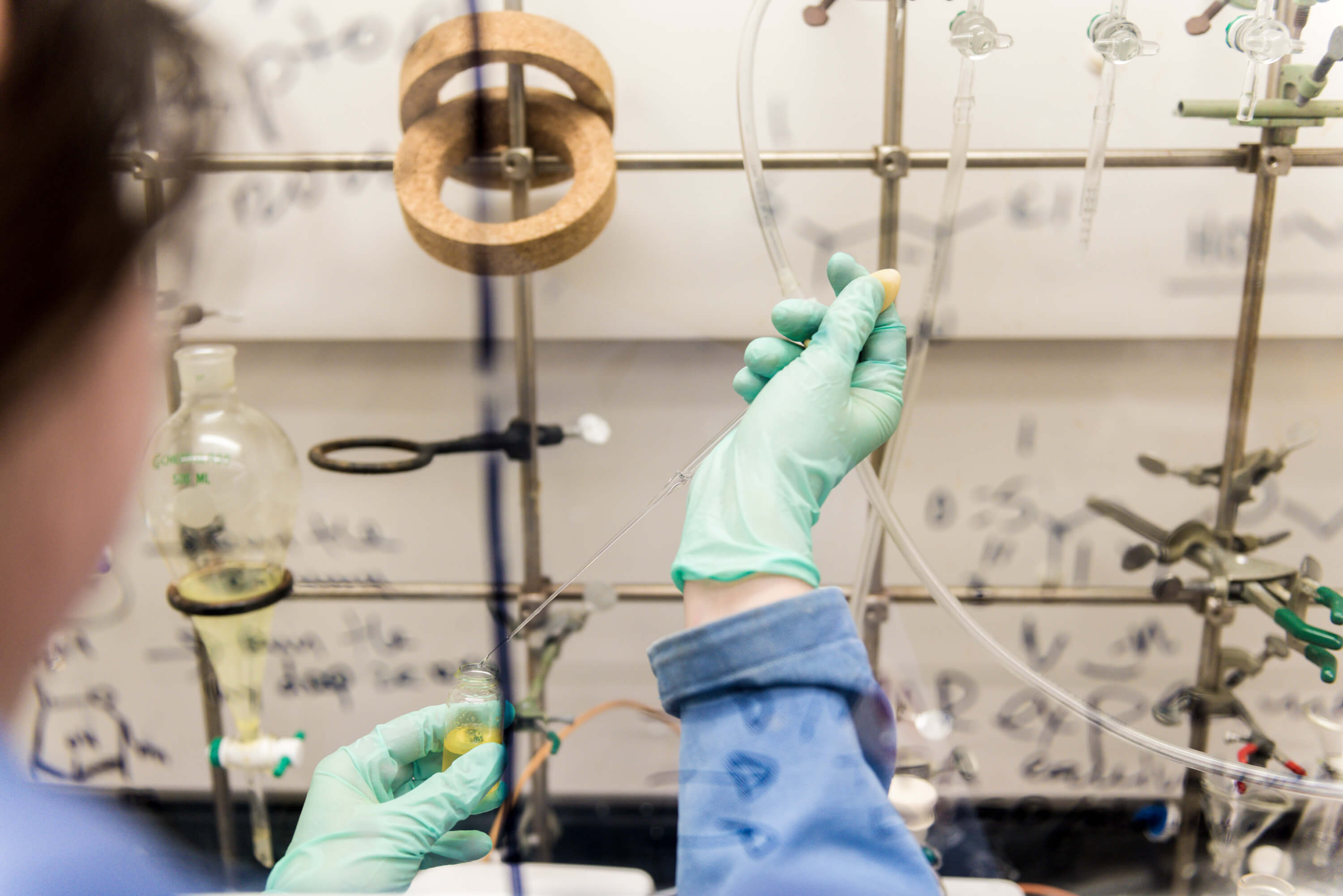
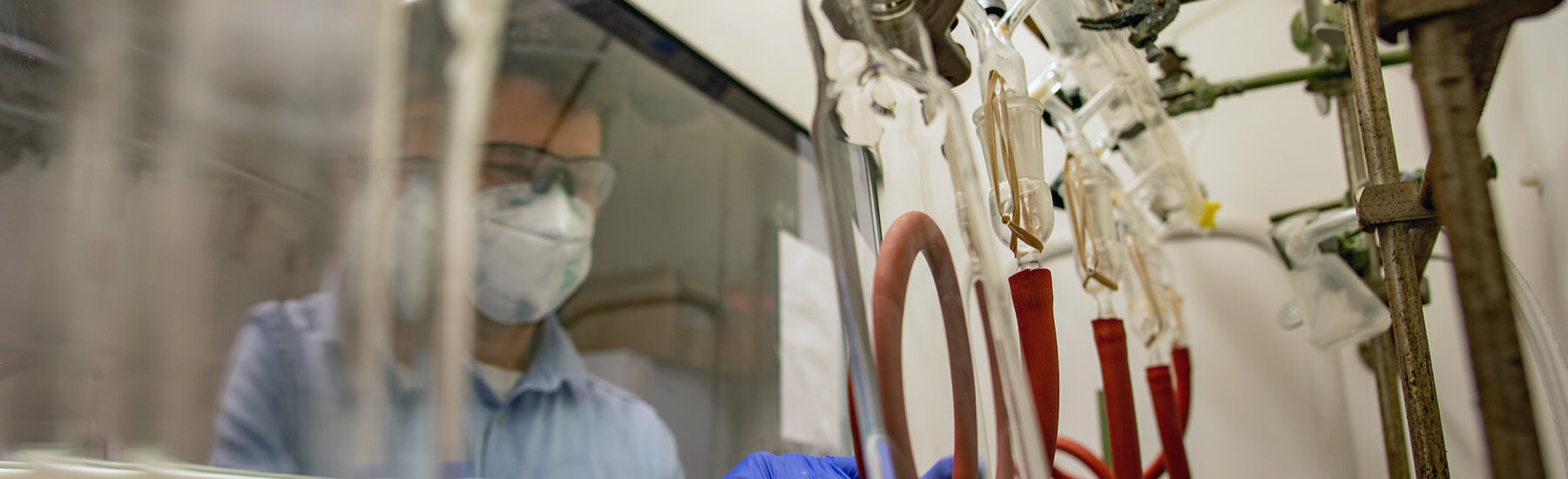
Research in the Waterman group applies the synthesis of novel inorganic and organometallic systems to define new reactivity and catalysis. Students will have the opportunity to prepare and fully characterize new complexes through a variety of spectroscopic techniques (e.g., NMR, IR, UV-vis, EPR), X-ray crystallography, and analytical methods. These complexes are frequently air-sensitive, and students learn to manipulate the complexes using high-vacuum and Schlenk techniques or in a glovebox. These complexes will target the catalysis of chemically important processes such as bond-forming and selective oxidation reactions.

A key reaction in element-element bond formation is dehydrocoupling, where two molecules with element-hydrogen bonds formally exchange E-H bonds to form E-E and H-H bonds. Dehydrocoupling is a very clean and efficient reaction taking often commercially available starting materials and providing element-element bonds with hydrogen (H2) as the only byproduct. However, for many elements this reaction is not facile, and a catalyst is needed. We have found that zirconium complexes supported by triamidoamine ligands such as (N3N = N(CH2CH2NSiMe3)33-) are effective for dehydrocoupling a range of primary and secondary phosphines. Through careful mechanistic study, we have determined that this catalysis proceeds via σ-bond metathesis steps as shown to the right.

Using this knowledge we are applying this system to catalyze other element-element bond formation reactions. Using the predictive power of our sigma-bond metathesis-based mechanism, we have recently demonstrated selective P-Si and P-Ge bond formation using our zirconium catalysts, and in a simple periodic analogy, we have shown, for the first time, that catalytic dehydrocoupling of arsines is possible. Our continued efforts in this area are directed at addressing questions in molecular synthesis, materials science, and energy.

Waterman Fig 1

A second project involves synthesis of new phosphorus-based ligand architectures to explore catalytic reactions. One reaction we are interested in is alpha-elimination, where a low-valent main group fragment (:ERm) is extruded from an early transition-metal (LnM) center such as zirconium or niobium, as depicted in the proposed catalytic cycle shown in the figure to the right. This reaction has seen limited attention in the literature, and we seek to exploit it for bond-forming catalysis.

Waterman Fig 2
We are also interested in developing alternative routes to accessing low-valent main-group fragments. A recent development in this area is our preparation of a phosphaalkene by insertion of an isocyanide into a zirconium-phosphorus bond. In this reaction we take a commercial available phosphorus source, a primary phosphine, and access a phosphinidene (":PR") fragment with perfect atom economy.
Waterman Fig. 3

Selected Publications

Roering, A. J.; Davidson, J. J.; MacMillan, S. N.; Tanski, J. M.; Waterman, R. "Mechanistic Variety in Zirconium-Catalyzed Bond-Forming Reaction of Arsines" Dalton Trans., 2008, DOI: 10.1039/b718050k.

Waterman, R. "Dehydrogenative Bond-Forming Catalysis Involving Phosphines" Curr. Org. Chem. 2008, in press (invited review for a thematic issue: Organometallic Chemistry, Coordination Chemistry, and Catalysis).

MacMillan, S. N.; Tanski, J. M.; Waterman, R. "Insertion of Benzylisocyanide into a Zr-P bond and Rearrangement. Atom-Economical Synthesis of a Phosphaalkene" Chem. Commun. 2007, 4172-4.

Roering, A. J.; MacMillan, S. N.; Tanski, J. M.; Waterman, R. Zirconium-Catalyzed Heterodehydrocoupling of Primary Phosphines with Silanes and Germanes. Inorg. Chem. 2007, 46, 6855-7.

Waterman, R. "Selective Dehydrocoupling of Phosphines by Triamidoamine Zirconium Catalysts" Organometallics 2007, 26, 2492-4.

Last modified June 15 2009 09:01 AM

Contact UVM © 2009 The University of Vermont - Burlington, VT 05405 - (802) 656-3131