Christopher W. Allen |
|
Inorganic and Polymer ChemistryResearch-Active Emeritus ProfessorChristopher.Allen@uvm.edu |
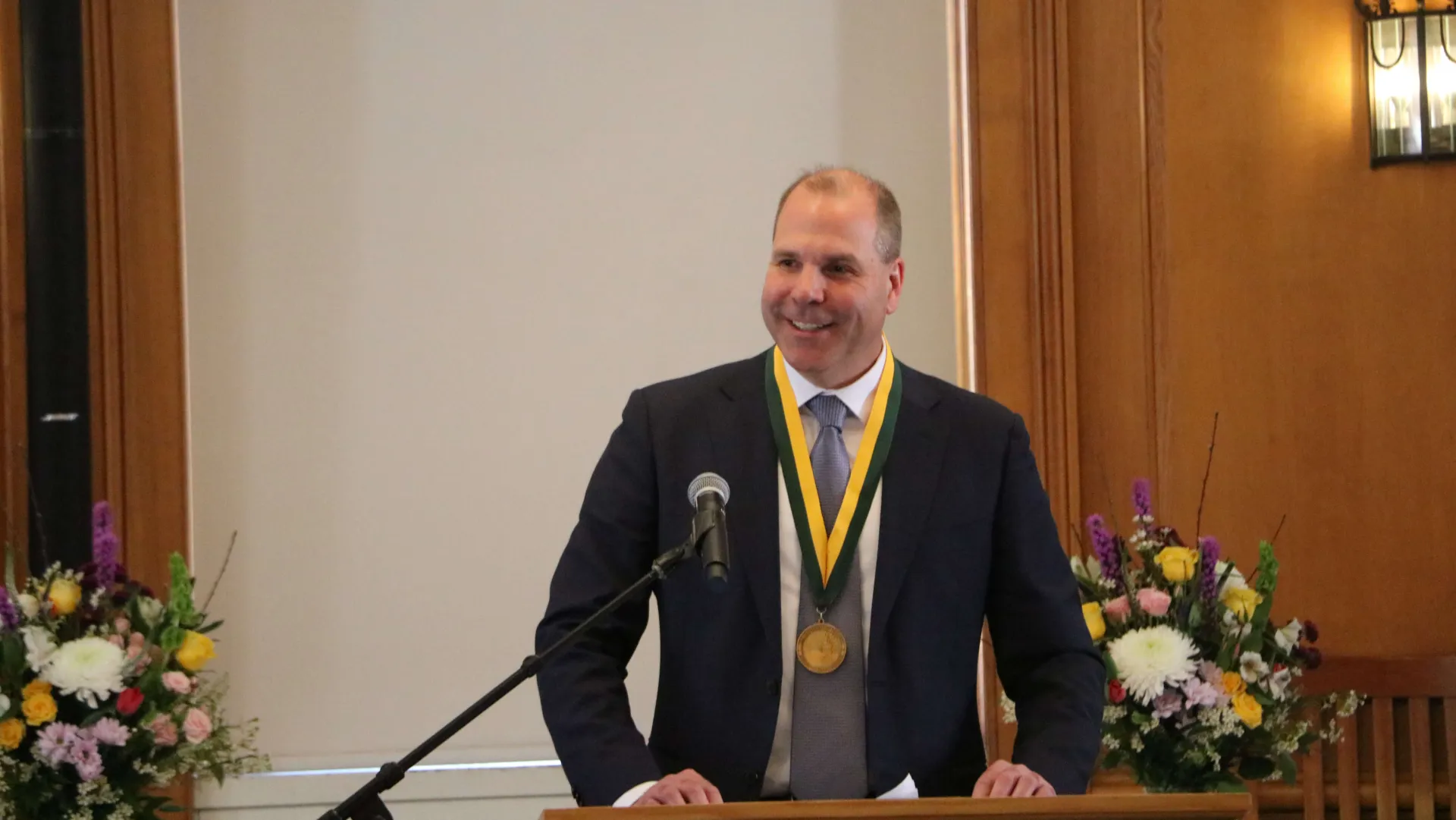
| Dr. Allen came to Vermont in 1967 after receiving his Ph.D. from the University of Illinois, where he studied with Therald Moeller. He has been a Senior Visitor at Oxford and Edinburgh and a consultant to several corporations. He is on the editorial boards of the Journal of Inorganic and Organometallic Polymers , Phosphorus, Sulfur, Silicon and the Related Elements, Recent Patents in Materials Science and research Letters in Inorganic Chemistry. He was named a UVM University Scholar for 1982-83, received the George V. Kidder Outstanding Faculty Award in 1986, was named a Mass High TECH "Allstar" in 2000, received the Dean's Lecture Award from the College of Arts and Sciences in 2004 and the Luther F. Hackett award from the Vermont Technology Council for contributions to economic development in Vermont in 2005. He was elected to the Vermont Academy of Science and Engineering in 2005. He served as the Director of the Vermont Experimental Program to Stimulate Competitive Research (EPSCoR) from 1995-2005. In addition to being an Emeritus Professor, he is the Interim Director of the Vermont Advanced Computer Center, Outreach Director for The Vermont Genetics Network and Senior Scientific Advisor to the Vermont Center for Emerging Technologies. |
|
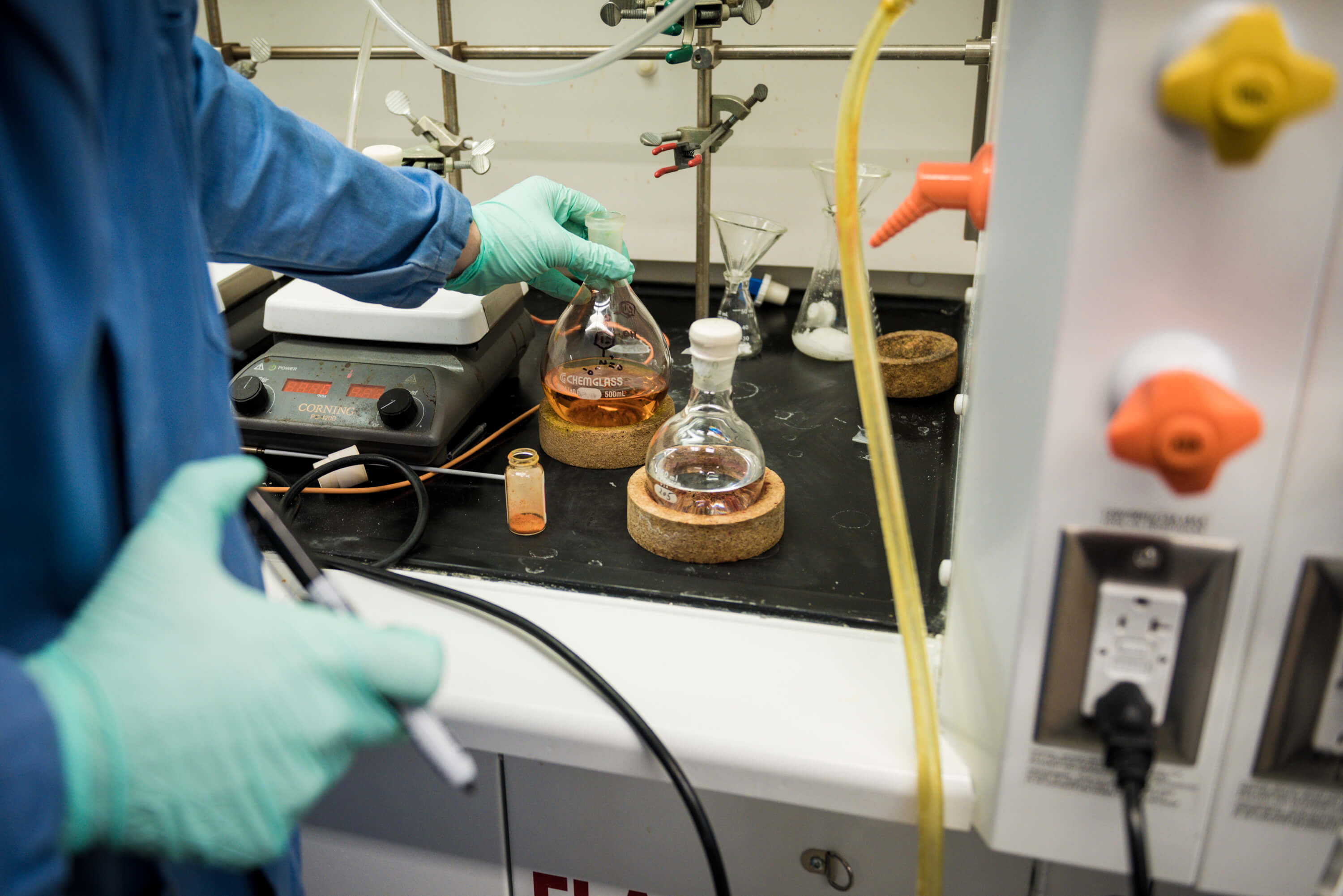
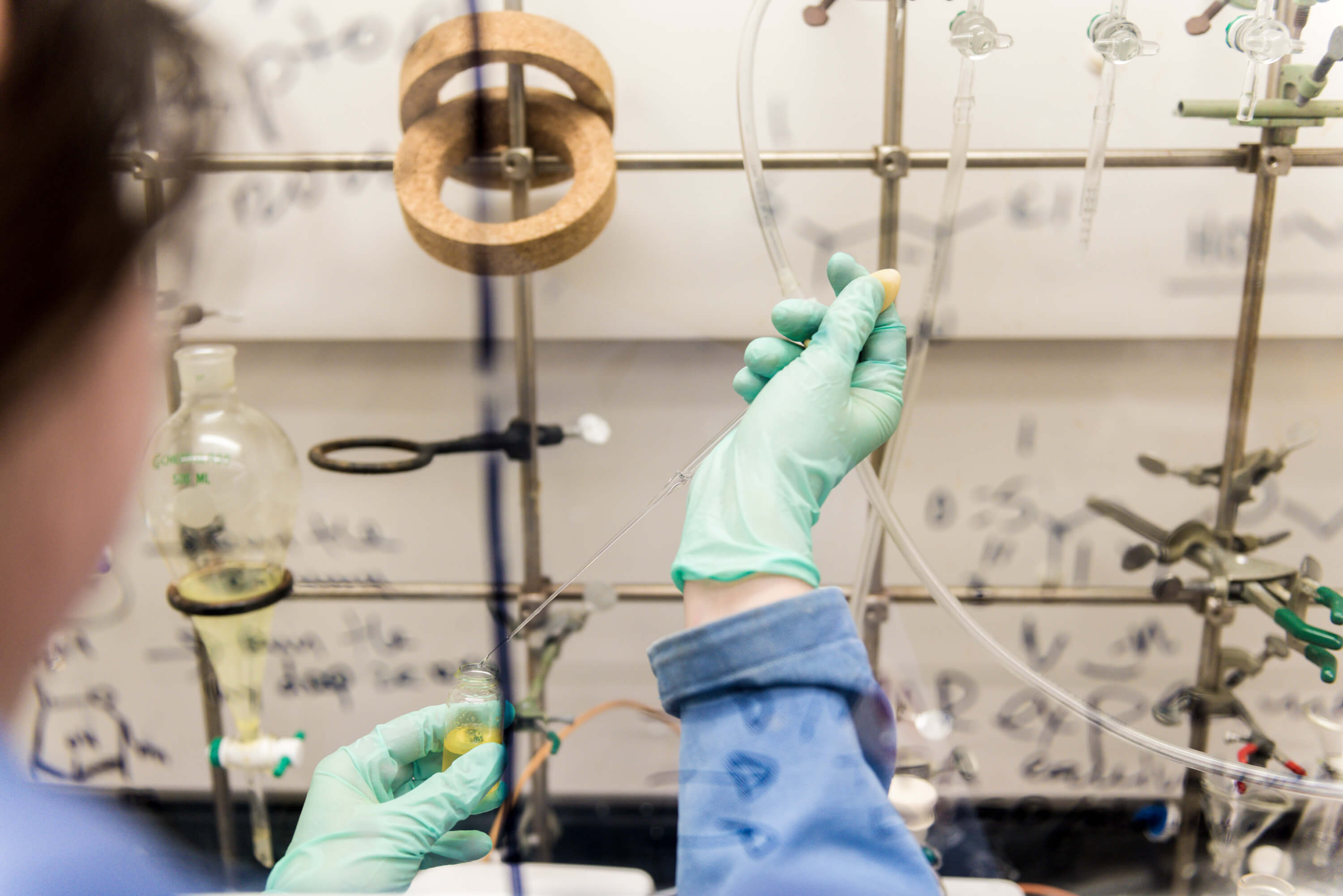
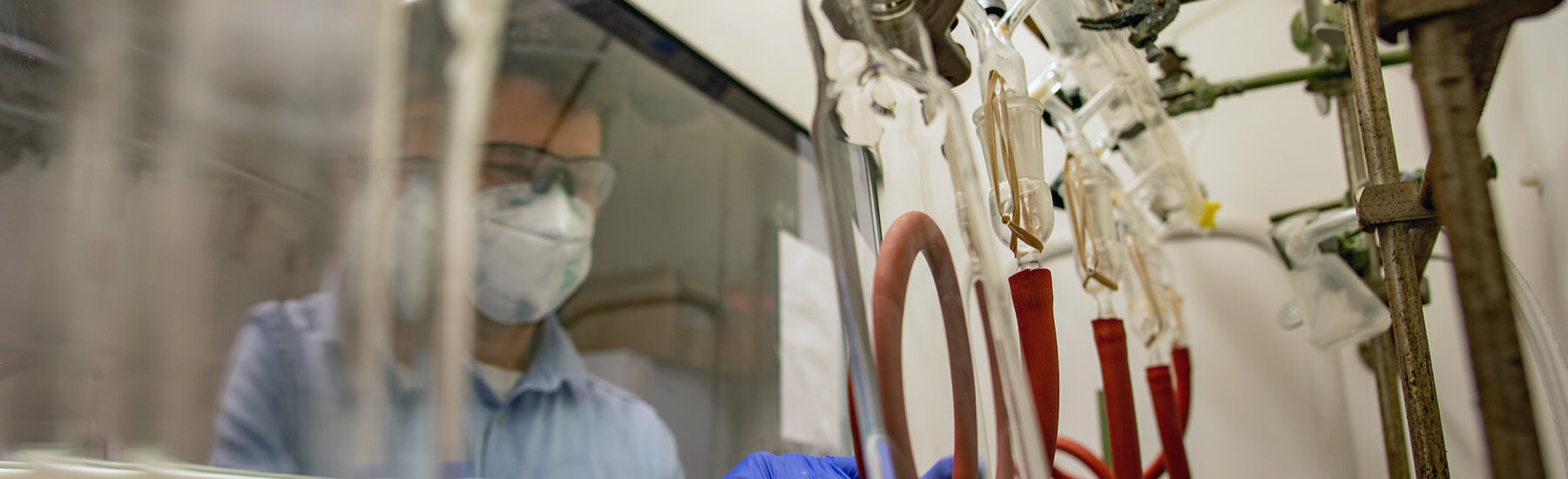
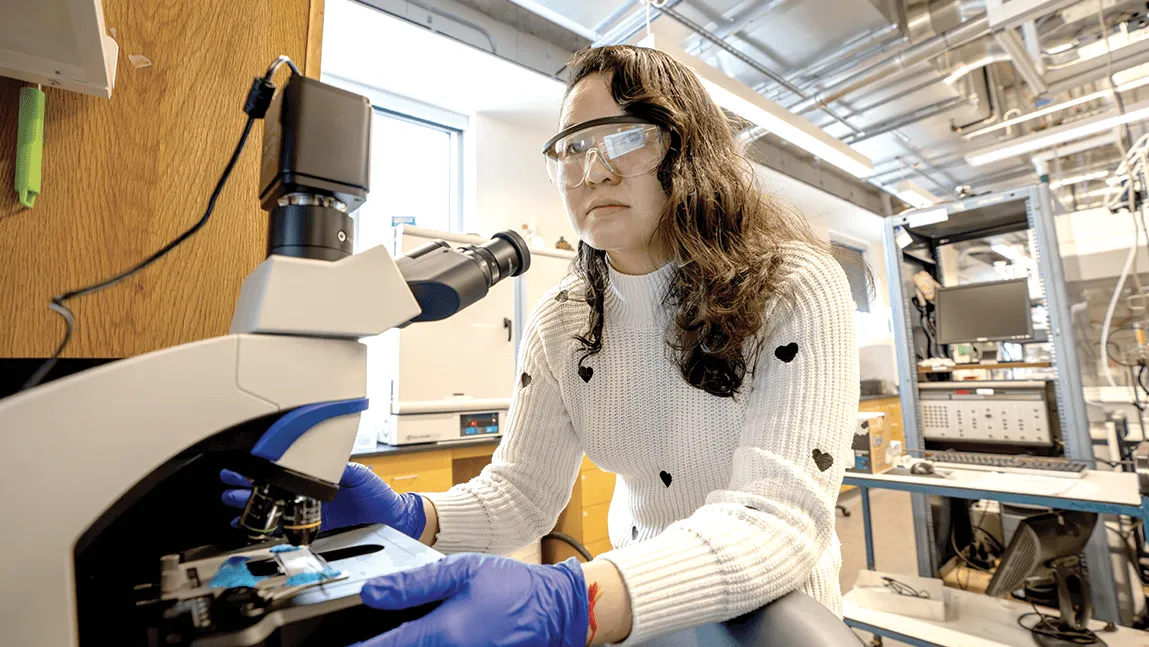
The research program in my group is devoted to the study of inorganic rings and polymers. The inorganic ring chemistry presents interesting questions of electronic structure, reactivity and mechanism. Additionally, these ring systems may be transformed into hybrid inorganic-organic polymers which are new classes of materials with interesting properties having applications such as flame retardant, polymeric electron transfer or as membranes. Monomers of interest are derived from main-group ring or linear systems which often exhibit some formal degree of multiple bonding, e. g., phosphazenes, (X2P=N)n or borazines (XBNR)3. Ring-opening polymerization or condensation of linear species leads to polymers with inorganic backbones, which can undergo further substitution reactions to produce novel materials. Alternatively, substitution reactions on the inorganic monomers are conducted in order to add an organic functionality, such as an olefin. Polymerization of the olefin in these derivatives leads to linear, hyperbranched and crosslinked polymers with inorganic substituent. Studies of relative reactivities of various of these monomers in copolymerization reactions give valuable insight into the polymerization mechanism and the perturbation of the electronic structure of the olefin by the inorganic substituent. We are interested in how incorporation of the inorganic entity modifies polymer structure, reactivity and properties. An active component of our synthetic studies involves synthesis of organometallic derivatives of the parent polymers and their applications in biosensors. Characterization studies of these systems include kinetics, computational methods, electrochemistry, and spectroscopy with a particular emphasis on NMR (31P, 19F, 13C, 1H) including 2-D methods and simulation of complex spin systems. A wide array of polymer characterization techniques is also employed. |
|
|
Selected PublicationsMyer,C.N.; C.W.Allen, C.W. "Copolymerization of Chlorocyclotriphosphazene Derivatives Containing the Methacyclylbutenedioxy and N-(Ferrocenylmethylamino) Substituents', J. Inorg. Organomet. Polym.Materials, 2007,17,143. Calichman, M; Derecskei-Kovacs,A. ; Allen,C.W. "The Origin of Endocyclic Bond Length Variations in Disubstituted Cyclotriphosphazenes", Inorg.Chem.,2007,46, 2011. Allen,C.W., "From Rings to Polymers", J.Inorg. Organomet. Polym. Mater., 2007,17, 341. Hagberg, E.C.; Hart, M.W.;Cong, L.;Allen,C,W.; Carter,K.R. "Cyclophosphazene Containing Polymers as Imprint Lithography Resists" J.Inorg. Organomet. Polym. Mater.,2007, 17, 377. Cong, L.C.; Allen, C.W. "New Polymers Derived from Multifunctional Cyclo- and Polyphosphazenes," Polymer Materials: Sciernce and Engineering Preprints, 2005, 93 783. Freund, A. S.; Calichman, M.; Allen, C. W. "The Reactions of Hexafluorocyclotriphosphazene with Sodium Phenoxide," Z. Anorg. Allgem. Chem., 2004, 630, 2059. Allen, C. W.; Hernandez-Rubio, D. "The Use of Phosphazenes as Flame Retardants" in Phosphazenes: A Worldwide Insight", Vol. II: Applicative Aspects of Polyorganophosphazenes, Gleria, M.; DeJaeger, R. Eds., Nova Science, NY, 2004, Chapter 20, 485. |
Last modified March 31 2008 09:26 PM