The Department of Psychological Science at UVM offers the best of both worlds. Our faculty conduct cutting-edge research while mentoring students in the lab and in community-based internships. The result is a blend of practical experience and intellectual intimacy that is rare at the university level.
ACADEMICS Why Study Psychological Science at UVM

Big Meets Small
Undergraduate students in psychological science study in a respected research university that also provides an unusually rich and personal learning experience. The university boasts top-notch facilities and a faculty devoted to your individual development.

Doing Real Research
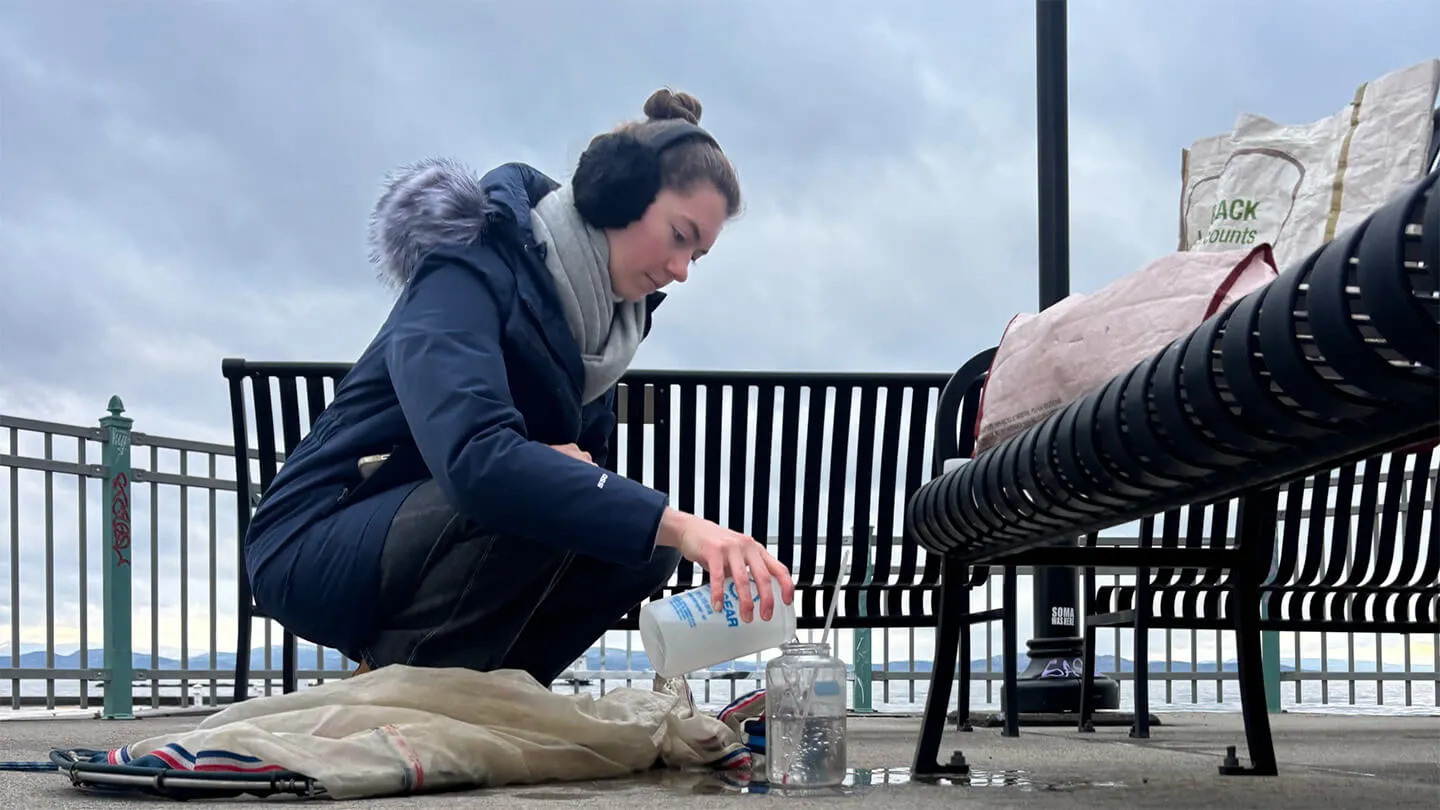
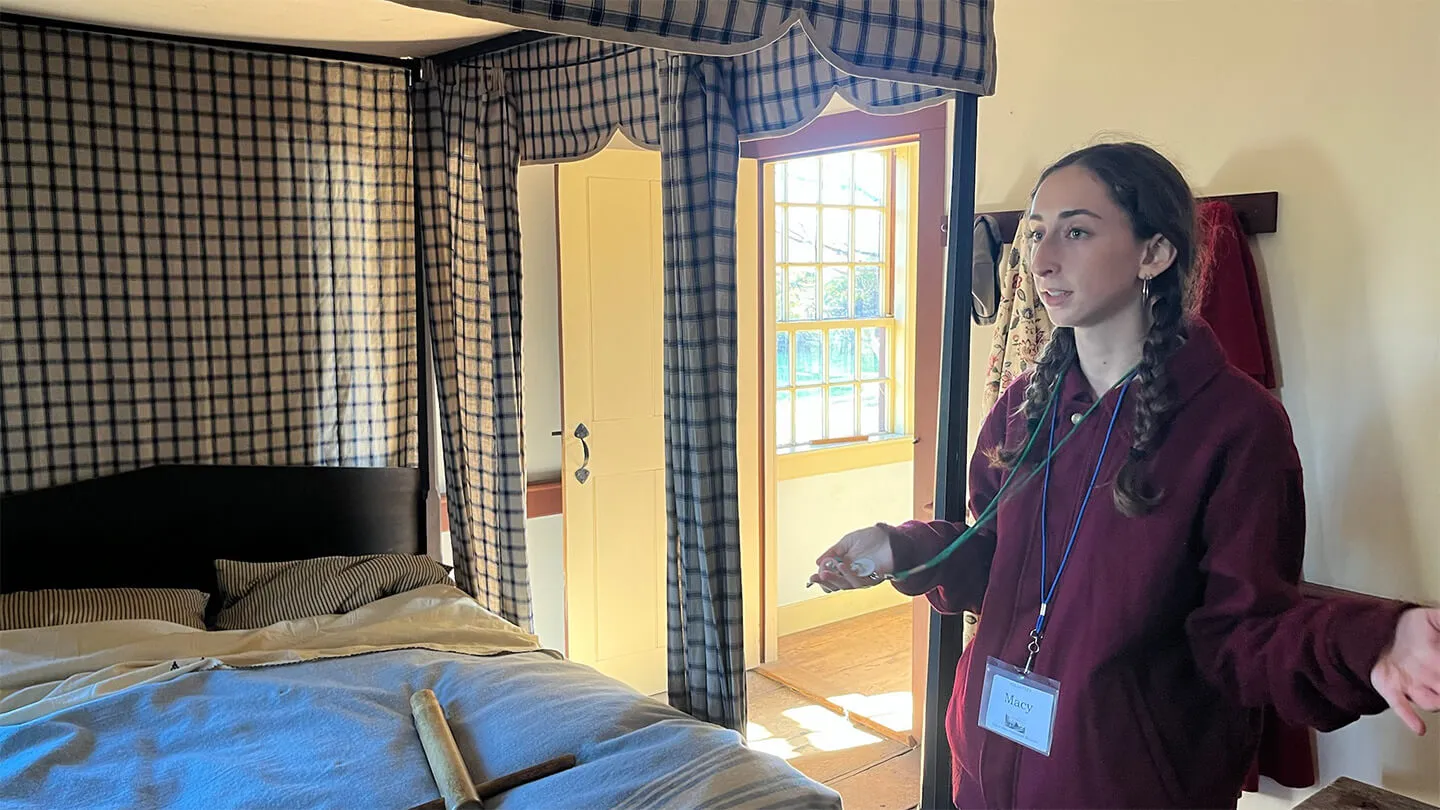
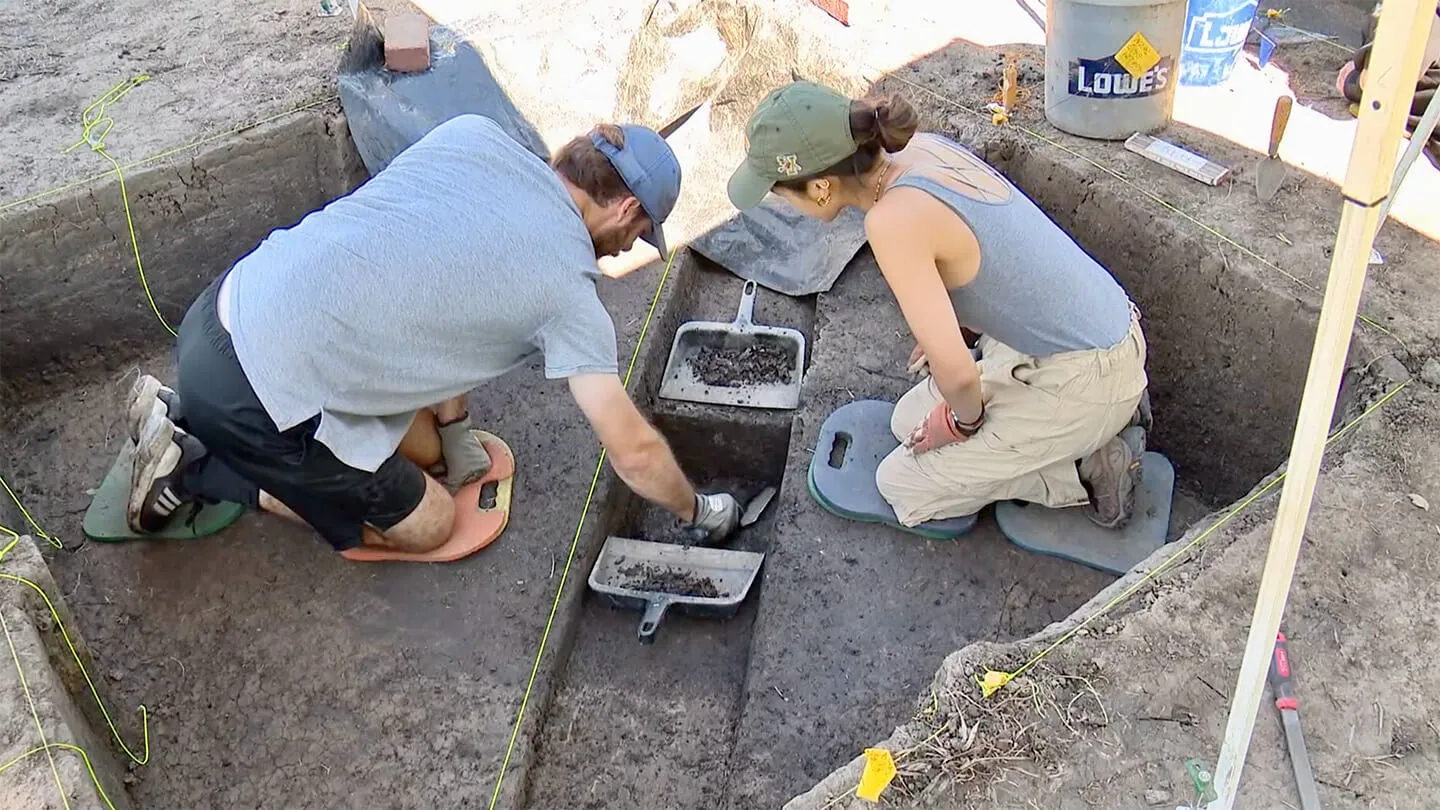
Our students engage in experience-based learning through faculty-mentored research, community, internships, and teaching. Unlike the learning experience at colleges where faculty are not as active in research, UVM gives you many opportunities to gain research experience during your academic career.

Advanced Degree Options
Psychological science is one of the largest and most successful graduate programs at UVM. We have PhD programs in clinical psychology and experimental psychology (behavioral neuroscience, developmental psychology, social psychology), an MA program, and an Accelerated Masters program.



Your Future Awaits
Whether you decide to pursue an advanced degree in a psychological science field or enter the working world after graduation, you’ll discover that the academic rigor combined with hands-on research experience will give you the reasoning and critical thinking skills that are in high demand.
View Career Paths