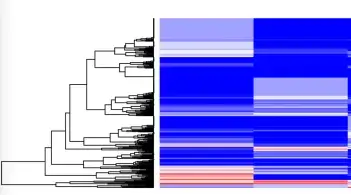
Our department leads research and education across all scales of plant life, from molecules to ecosystems. By investigating how plants function and interact with the world around them, we confront global challenges head-on—including environmental conservation, food security, climate change, and human health.
UVM Plant Biology
Programs

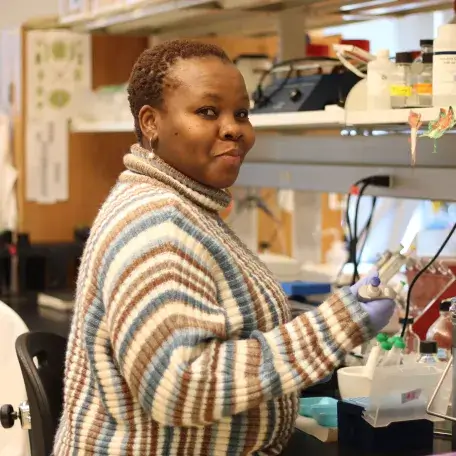

UVM Plant Biology Undergraduate Student Opportunities
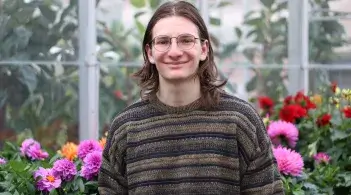
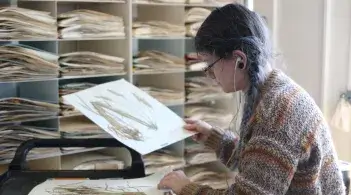

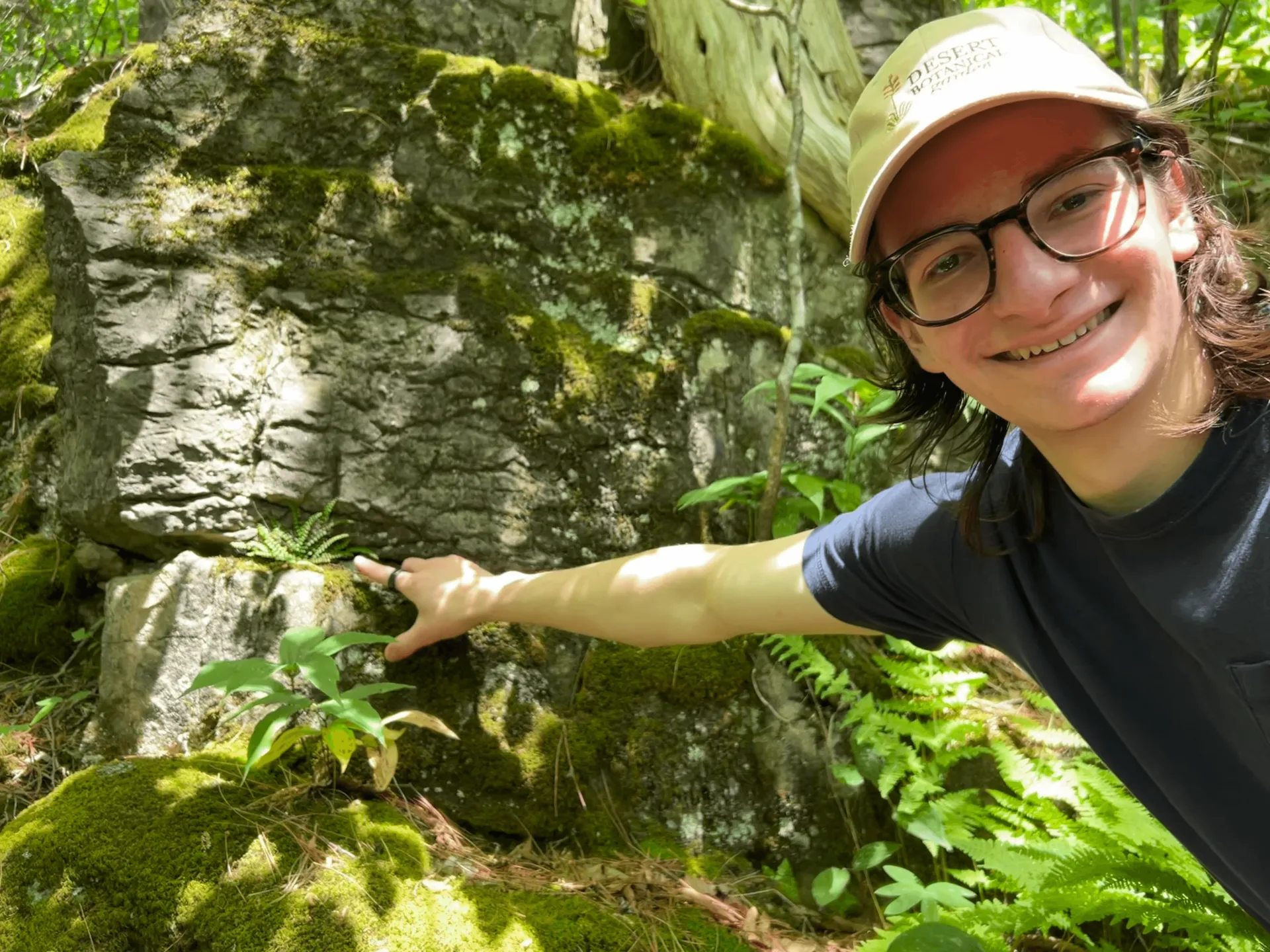
Senior Cy Stavros Digs Deeply into Plant Evolution
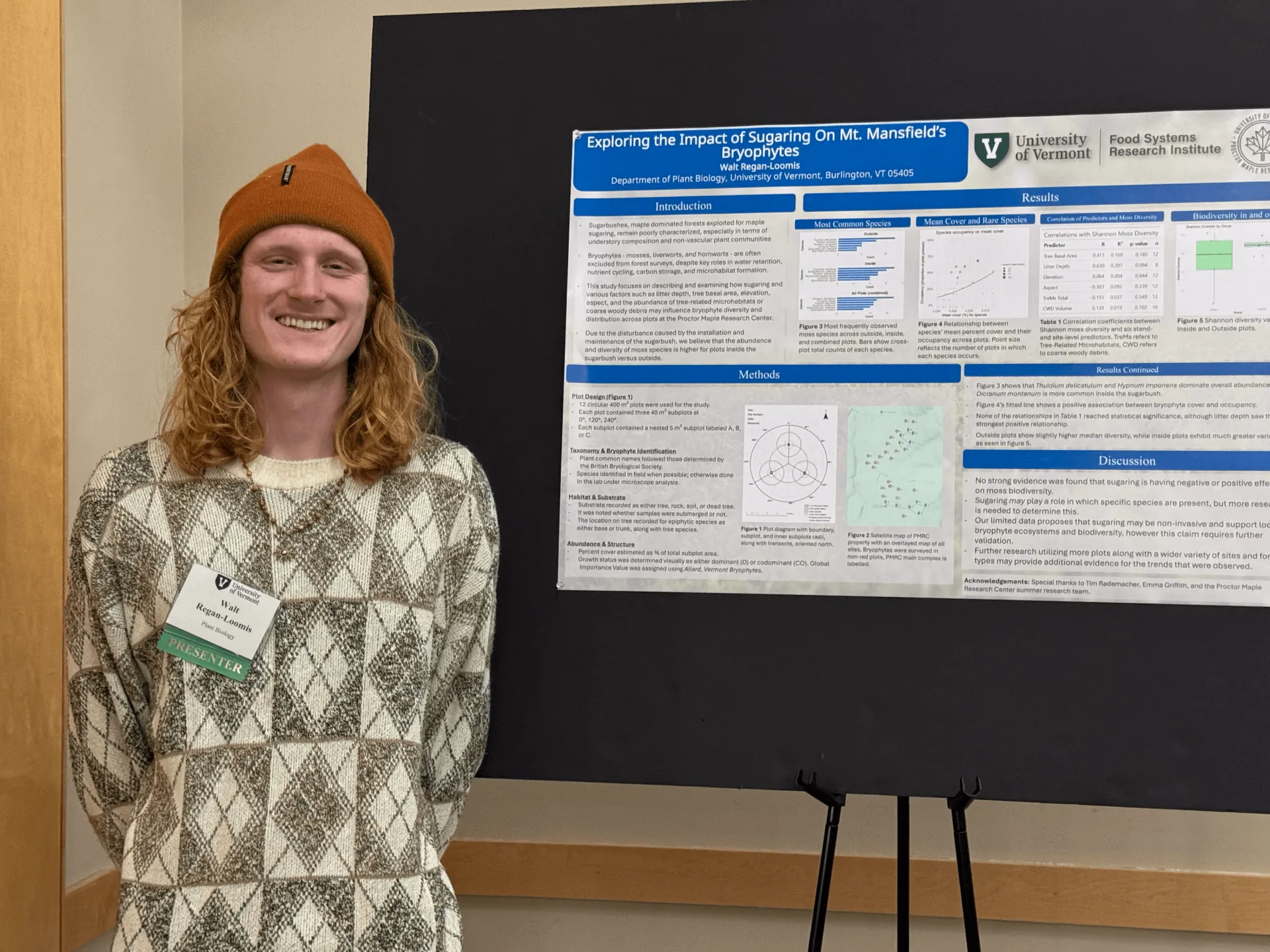
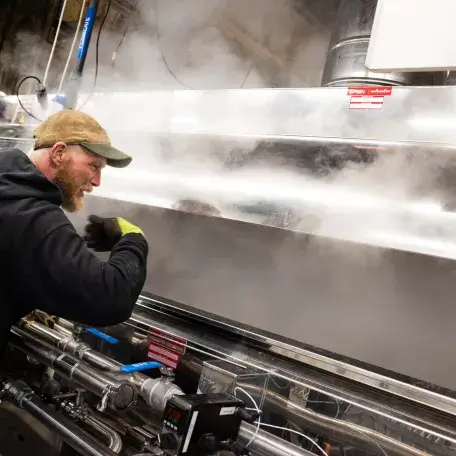
Rooted in Curiosity: Walt Regan-Loomis Pursues Their Passion for Plant Biology, Agroecology, and Maple Research
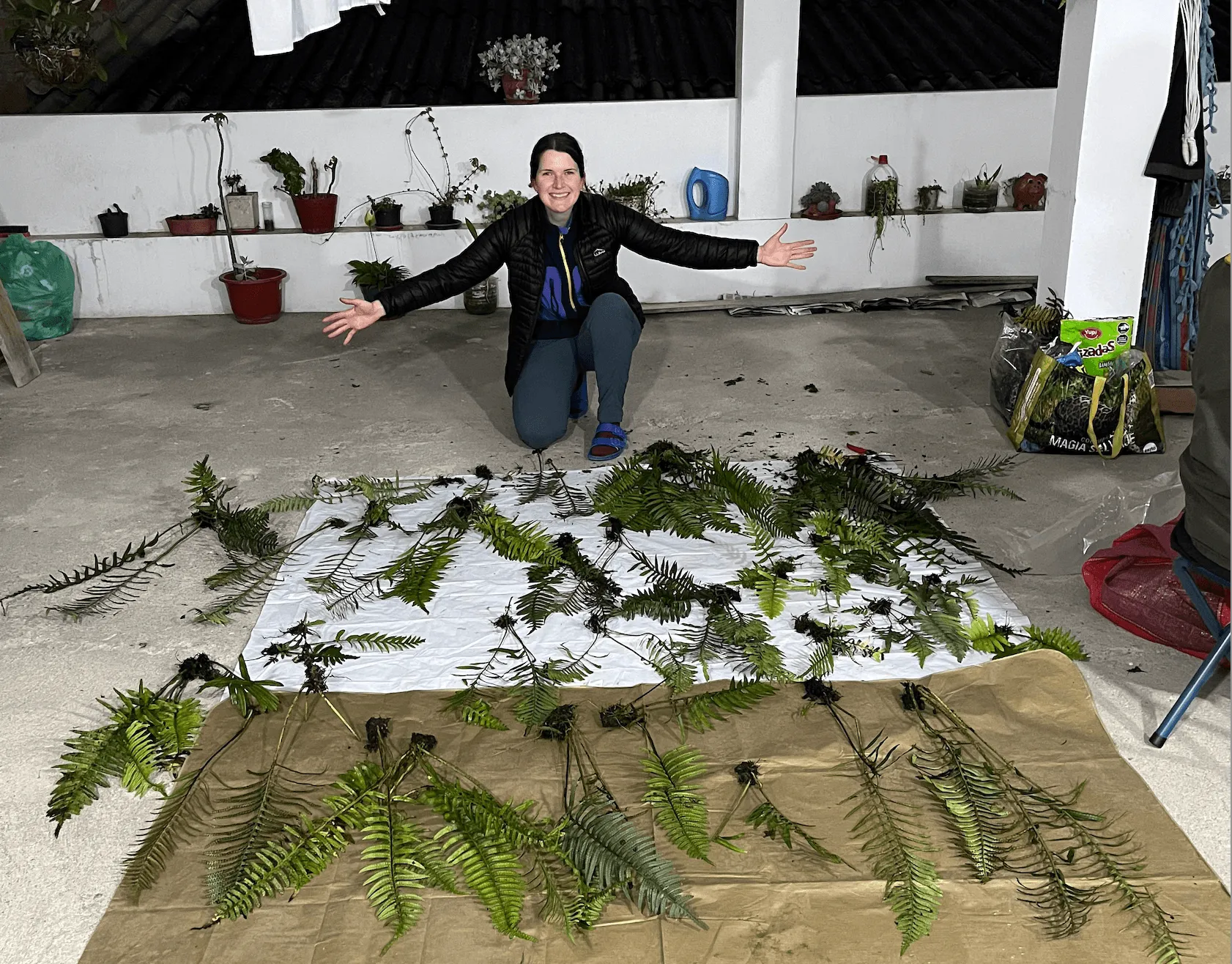
Sarah K. Morris Wins Prestigious José Cuatrecasas Award from Smithsonian National Museum of Natural History
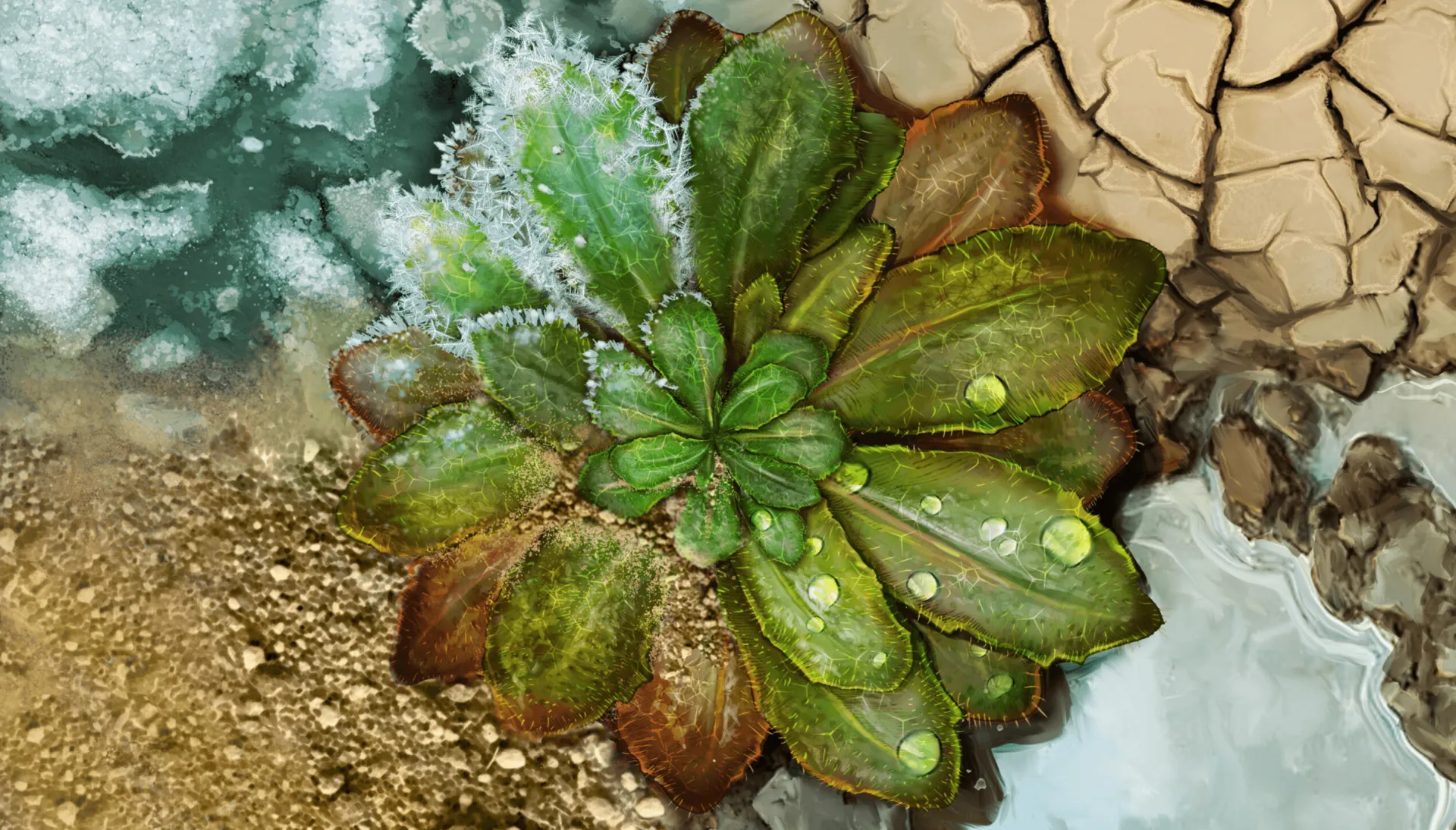
One-of-a-kind experiment tracked plant evolution in response to climate change at 30 sites worldwide
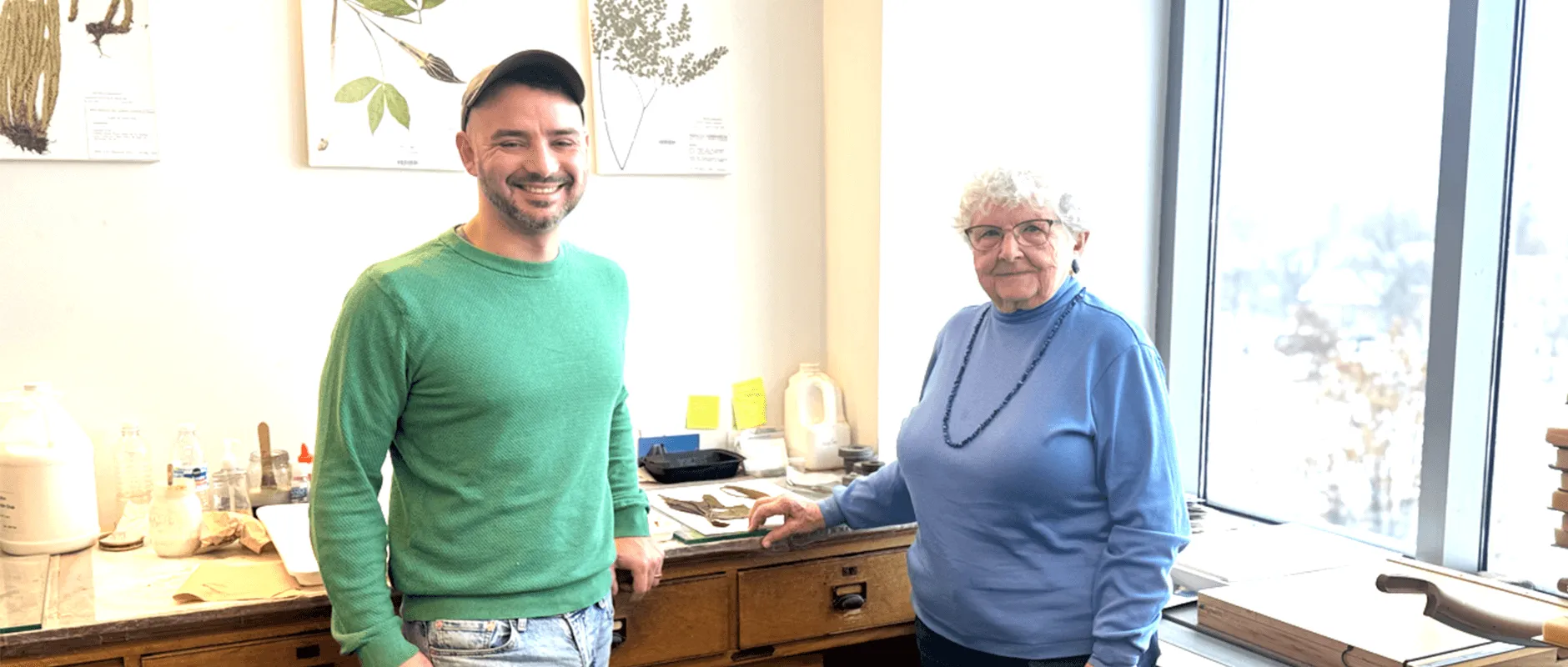
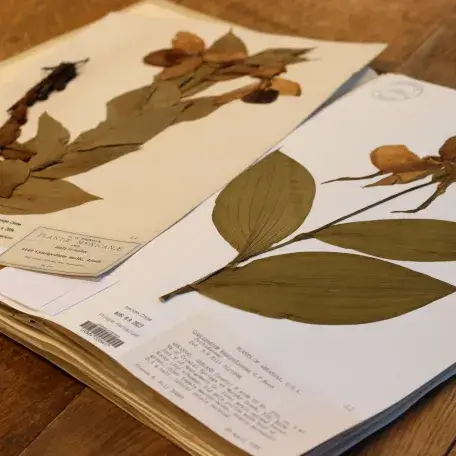
A Legacy in Leaves: Pringle Herbarium Honors 95-Year-Old Hilda White with a Holly Fern That Will Carry Her Name Forever