Classics: The Quintessential Liberal Arts Degree
Classics, the study of Greek and Roman civilization in the broadest sense, is the original and quintessential liberal arts degree. The field is by nature multidisciplinary and provides access to a cultural continuum spanning over three millennia, including the present day. Coursework extends beyond the traditional study of languages and society, offering a broader view of the ancient world and its relationship to the modern era.
Classics majors at UVM can study Greek and Roman culture in the original languages and/or take various English-language courses covering a wide area: mythology, epic and lyric poetry, drama, satire, art and architecture, historiography, political theory, and philosophy. The special research interests of UVM's classics faculty also inform the program's curriculum.
Discover What Makes Us Special


Recent Headlines
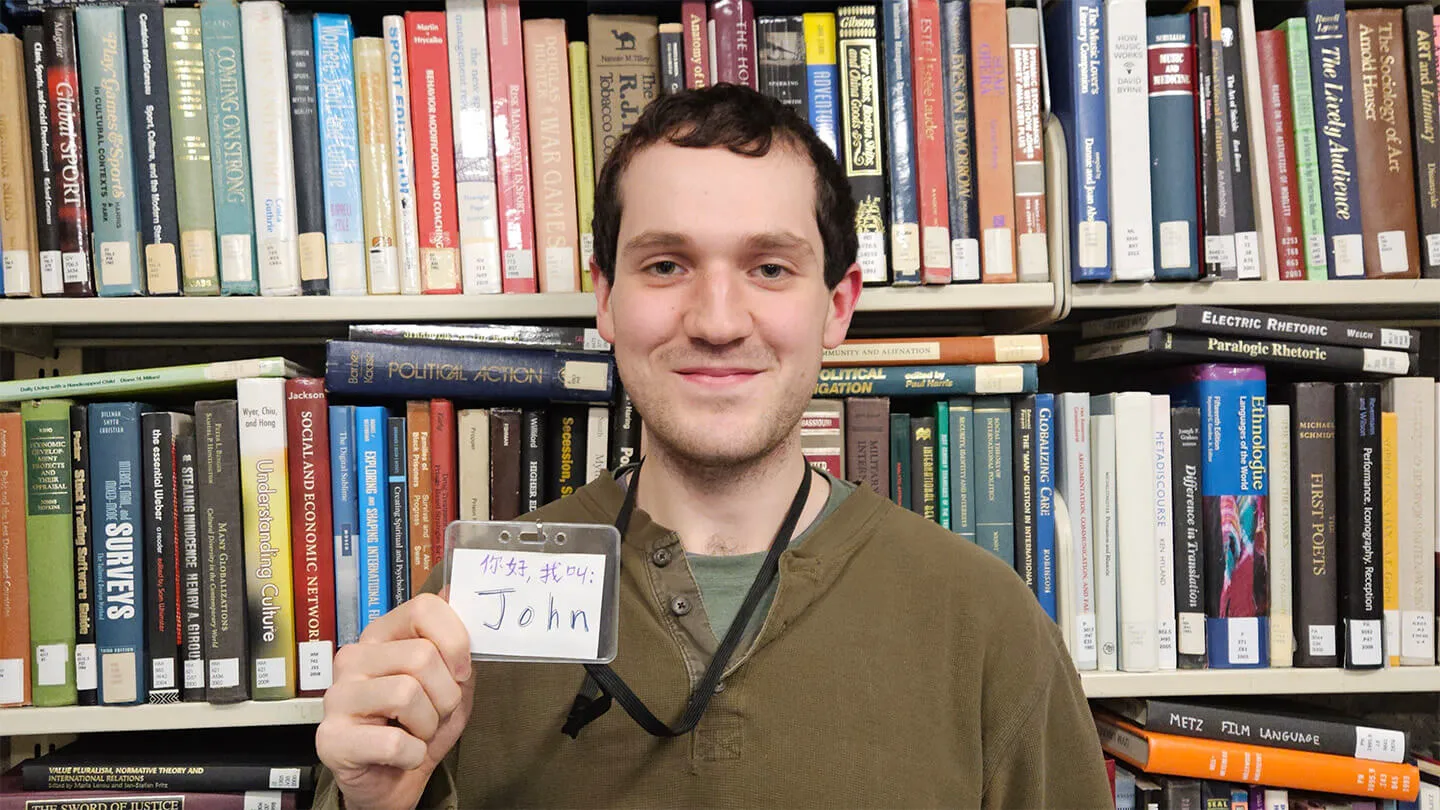
CAS Class of 2025 Senior Spotlights